8 Things You Should Never Flush Down the Toilet
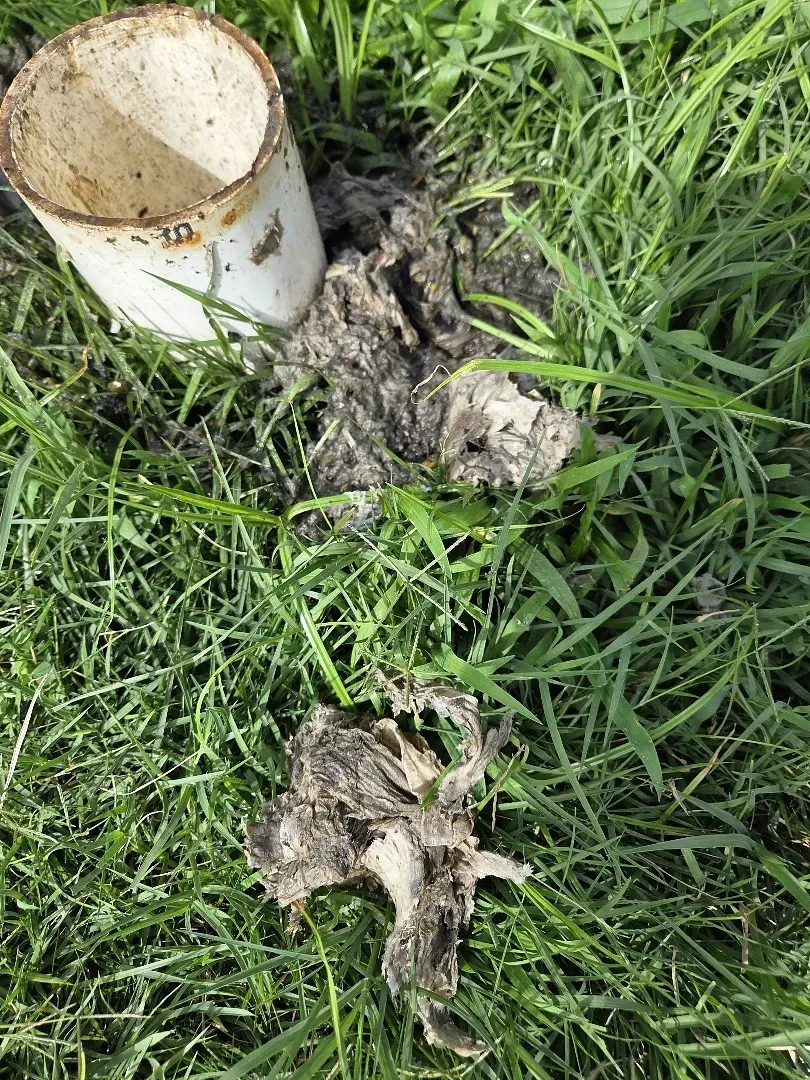
A toilet can make things disappear pretty quickly, but that doesn't mean everything that disappears down the drain belongs there.
Many common household products can clog the toilet, become lodged farther down the drain, contribute to sewer backups, or create problems in municipal sewer systems. Some items are especially troublesome because they don't break down nearly as quickly as toilet paper.
Whether you own your home or rent, knowing what not to flush down the toilet can help prevent an inconvenient, and potentially expensive plumbing problem.
Here are eight things that should never go down your toilet.
- "Flushable" Wipes
This one surprises a lot of people.
A package may say flushable, but that doesn't mean the wipes break apart like toilet paper once they enter your plumbing system.
Toilet paper is specifically designed to lose its strength and break down quickly in water. Wipes are made to stay intact while they're being used, which means they can remain intact much longer after being flushed.
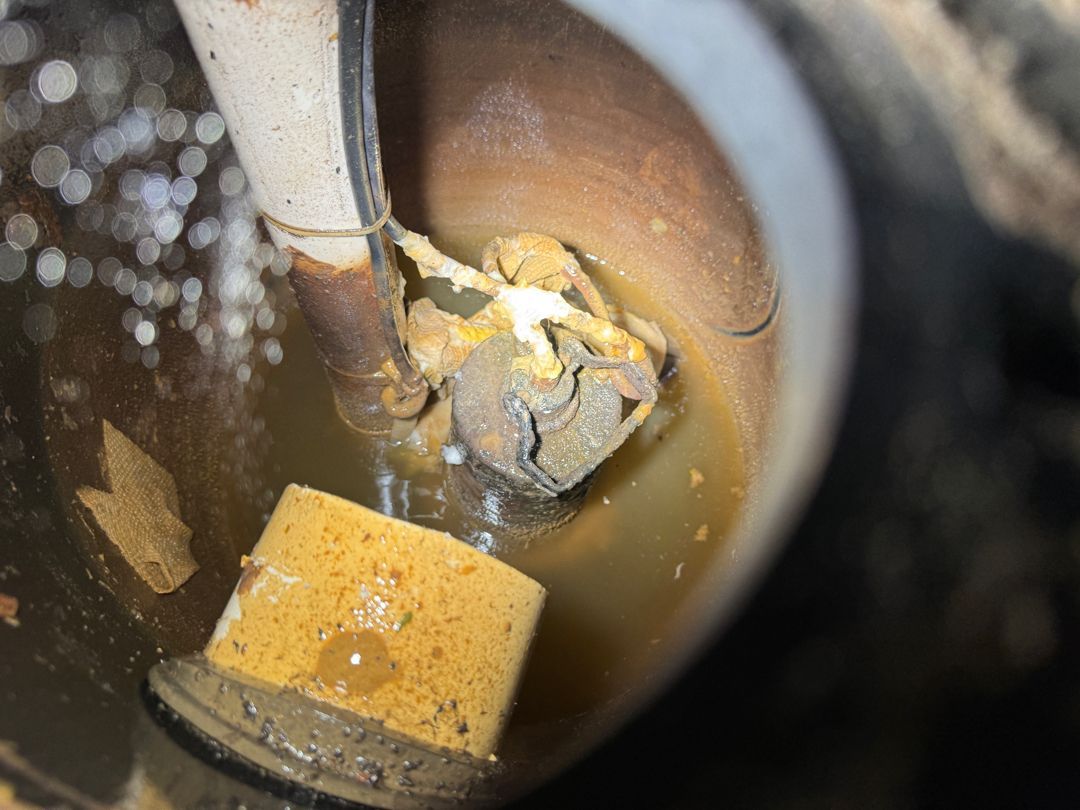
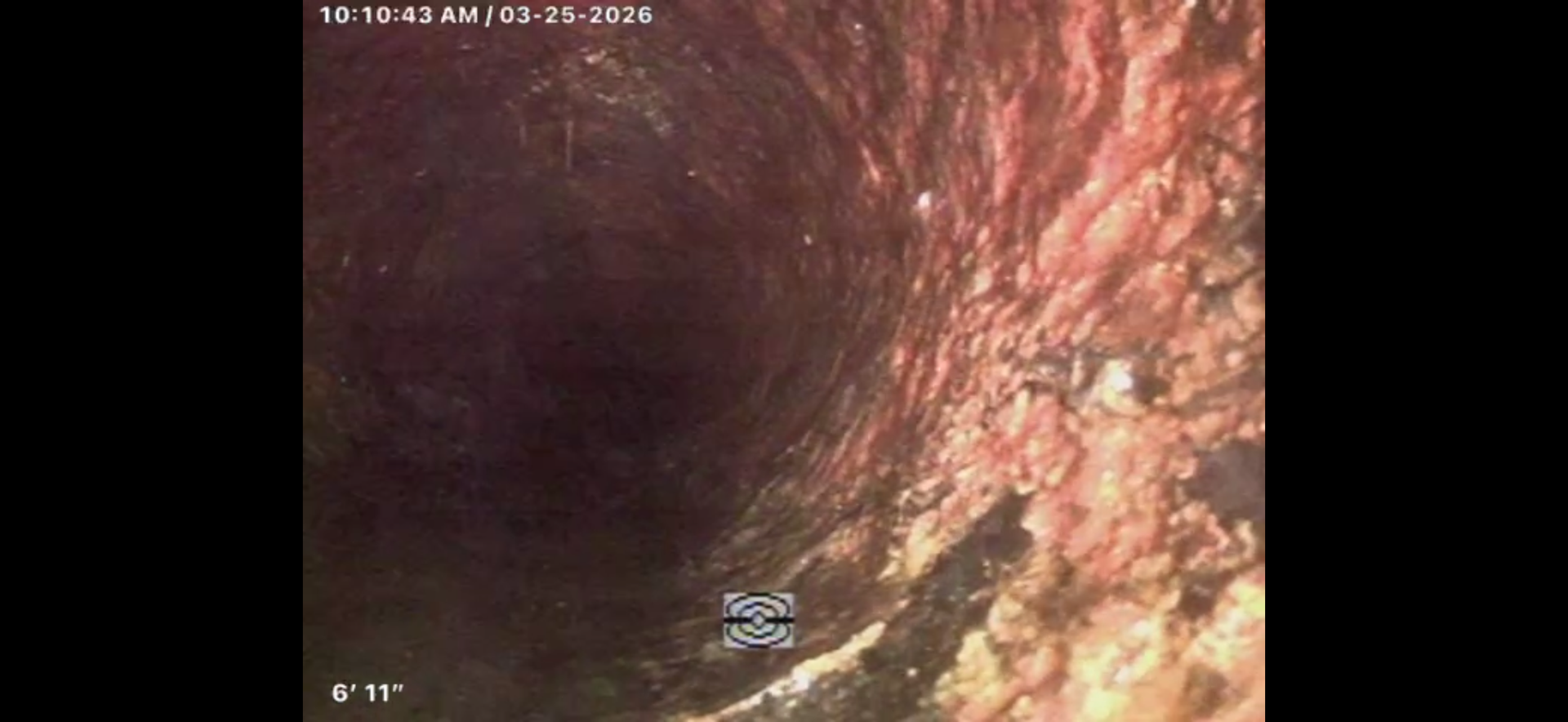
They may catch on rough areas, fittings, roots, or existing buildup inside a drain or sewer line. Once that happens, additional waste can collect around them and eventually contribute to a blockage.
Better Option: Put used wipes in the trash, even when the package says they're flushable.
2. Paper Towels and Tissues
Running out of toilet paper doesn't make paper towels or facial tissues good substitutes for flushing.
Paper towels are specifically designed to absorb moisture without falling apart easily. Facial tissues can also be more durable in water than toilet paper.
That strength is useful when cleaning your kitchen counter or blowing your nose, but it’s not something you want traveling through your drain and sewer piping.
If you need to use either in the bathroom, dispose of it in the trash rather than flushing it.
3. Feminine Hygiene Products
Tampons, pads, applicators, and other feminine hygiene products should never be flushed.
These products are designed to absorb liquid. Instead of quickly dissolving in water, they can absorb moisture, expand, and remain intact.
That creates exactly the kind of material you don't want to move through a plumbing system.
Even if a product appears to flush without a problem, it still has to travel through the rest of the building's drainage system and sewer line.
Better Option: Wrap used products and dispose of them in a wastebasket.
4. Cotton Swabs and Cotton Balls
Cotton swabs are small, so flushing one might seem harmless.
The problem isn't necessarily what happens immediately at the toilet.
Cotton swabs and cotton balls don't dissolve like toilet paper. They can become caught inside the drainage system and combine with wipes, hair, grease, and other debris.
Over time, those materials can help turn a relatively small obstruction into a much larger clog.
Keep a small trash can in the bathroom so cotton products have somewhere convenient to go besides the toilet.
5. Dental Floss
Something as thin as dental floss couldn't possibly cause a plumbing problem, right?
Unfortunately, it can contribute to one.
Dental floss doesn't readily break down in water. Its long, string-like shape can allow it to become tangled with hair, wipes, grease, and other debris already inside a drain or sewer line.
Think of it less as one tiny piece of floss and more as another material that can help hold a growing mass of debris together.
After flossing, throw it in the trash.
6. Diapers
A diaper should never be flushed down a toilet.
Diapers are specifically engineered to absorb and retain a significant amount of liquid. They contain materials that expand when wet, making them completely unsuitable for a plumbing drainage system.
Even if someone manages to get a diaper through the toilet itself, that doesn't mean it successfully traveled through the drain and sewer piping.
Diapers belong in the trash -- every time.
7. Medications
Old or unwanted medications shouldn't be disposed of by flushing them down the toilet unless the medication's disposal instructions specifically direct you to do so.
Unlike wipes or diapers, the primary concern here isn't necessarily a clogged drain. Flushing medications can introduce pharmaceutical substances into the wastewater system.
Instead, follow the disposal instructions provided with the medication or use an appropriate medication take-back or disposal program.
Your toilet shouldn't be treated as a household disposal system simply because something can fit down the drain.
8. Grease, Oil, and Food Waste
You probably associate grease with the kitchen sink rather than the bathroom, but people occasionally use toilets to dispose of cooking grease, oil, soups, sauces, and food waste.
Don't do it.
Fats, oils, and grease can cool and accumulate inside drainage piping. Other debris can then stick to that buildup, gradually restricting the inside of the pipe.
Food scraps can create additional problems because a toilet and its drainage piping were never designed to function as a garbage disposal.
Dispose of grease and food waste properly instead of pouring or flushing it into your plumbing system.
So, what can you flush?
The easiest rule is also the safest:
Human waste and toilet paper.
That's it.
Your toilet isn't a trash can. Just because an object disappears when you press the handle doesn't mean it made it safely through the entire plumbing system.
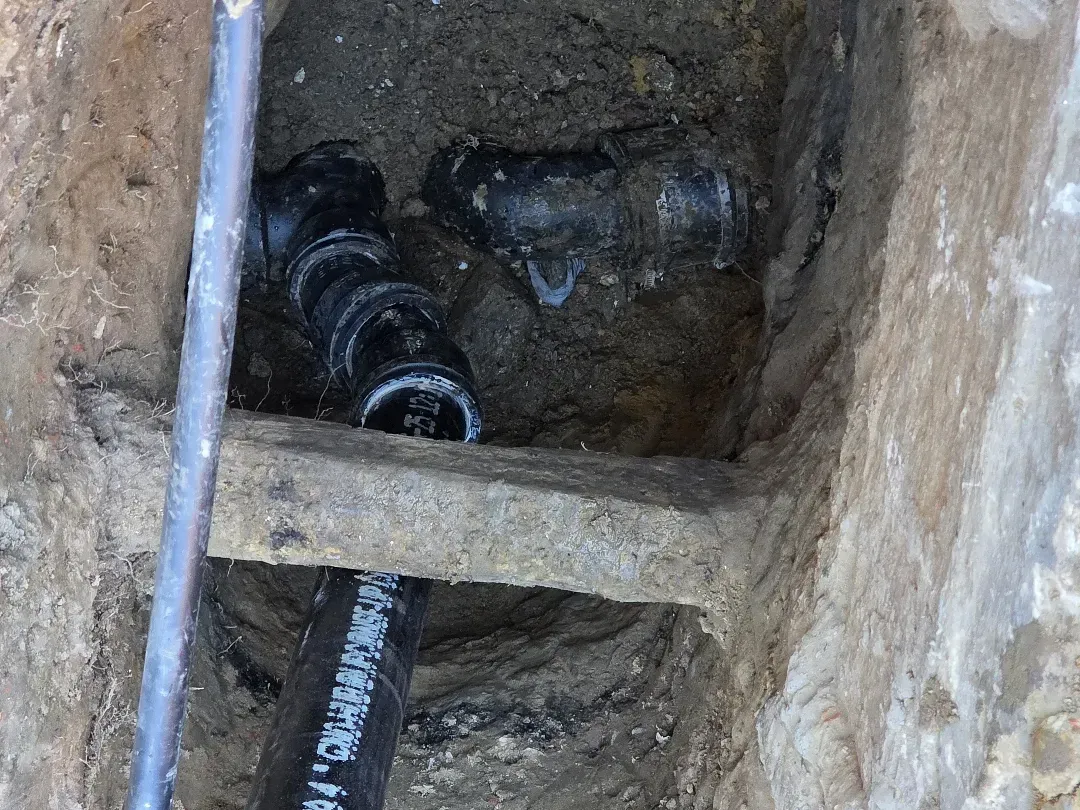
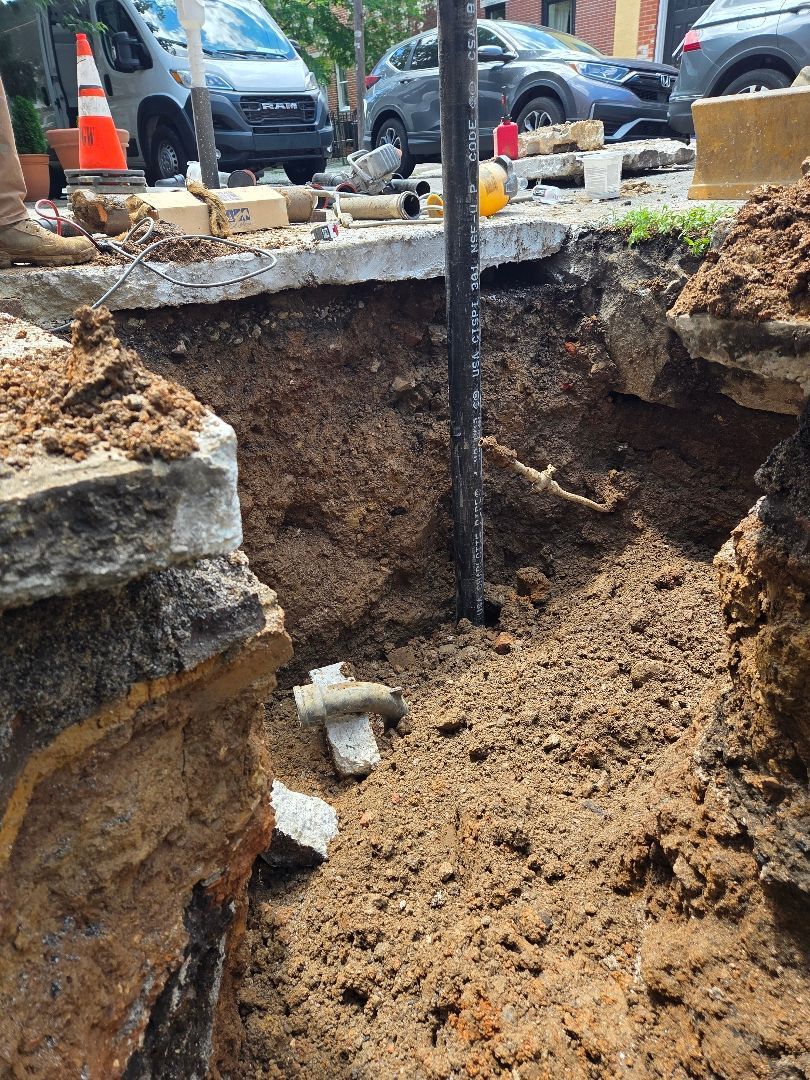
A clog may develop near the toilet, farther down a branch drain, or in the building's main sewer line. In some situations, what starts as slow drainage can eventually result in a completed blockage or sewage backup.
Already flushed something you shouldn't have?
Don't panic -- and don't keep flushing the toilet to see if the problem goes away.
If the toilet begins draining slowly, gurgling, backing up, or causing unusual behavior at nearby drains, there may be a blockage that needs professional attention.
Aqua Plumbing & Heating, LLC., provides professional plumbing and drain services for homeowners, renters, landlords, and property managers in the Philadelphia and surrounding areas.
If you're dealing with a stubborn toilet clog, recurring drain problem, or suspected sewer-line blockage, having the problem properly evaluated can help determine what's happening and what needs to be done next.