Why Does My Basement Smell Like Sewer? Common Causes and What You Should Know
Walking into your basement and being greeted by a sewer smell is never pleasant. While many homeowners immediately assume they have a broken sewer line, that's not always the case. Sewer odors can originate from several different plumbing issues, some relatively minor and others that require prompt attention.
Knowing the possible causes can help you address the problem before it becomes a larger and more expensive repair.
- A Failed Toilet Wax Seal
One of the most common causes of a sewer odor is a failed wax seal beneath a basement toilet.
The wax ring creates an airtight and watertight seal between the toilet and the drain pipe. Over time, that seal can deteriorate due to age, movement of the toilet, improper installation, or loose mounting bolts.
Signs of a Failed Wax Seal
• Sewer odor near the toilet
• Toilet rocks or moves when used
• Water around the base of the toilet
• Staining or moisture on the floor around the toilet.
Replacing a wax seal is often a straightforward repair, but it's important to verify that it is the actual source of the odor before replacing it.
____________________________________________________________________________________________________________________________________
2. Dry Floor Drains
Every floor drain contains a trap that holds water. This water acts as a barrier that prevents sewer gases from entering your property.
If a basement floor drain hasn't been used for an extended period, the water inside the trap can evaporate, allowing sewer gas to pass through the drain.
Fortunately, this is one of the simplest issues to correct.
How to Fix It
Pour a few cups of water into the floor drain to refill the trap. In basements where drains are rarely used, periodically adding water can help prevent sewer odors from returning.
______________________________________________________________________________________________________________________________________
3. Cracked or Damaged Drain Pipes
Drain pipes can develop cracks due to age, corrosion, foundation movement, or previous damage.
Even a small crack can allow sewer gases to escape while also creating the potential for future water leaks.
Common signs include:
• Persistent sewer odor
• Water stains
• Damp areas
• Mold or mildew growth
• Repeated plumbing issues
If a damaged pipe is suspected, a professional inspection can help locate the affected section.
______________________________________________________________________________________________________________________________________
4. Plumbing Vent Problems
Your home's plumbing vent system allows sewer gases to safely escape through the roof while helping drains flow properly.
If a vent becomes blocked by leaves, debris, bird nests, or other obstructions, pressure within the drainage system can change and contribute to sewer odors inside the home.
Vent issues may also cause:
• Slow-draining fixtures
• Gurgling drains
• Toilets that bubble when flushed
______________________________________________________________________________________________________________________________________
5. Sewage Ejector Pump Problems
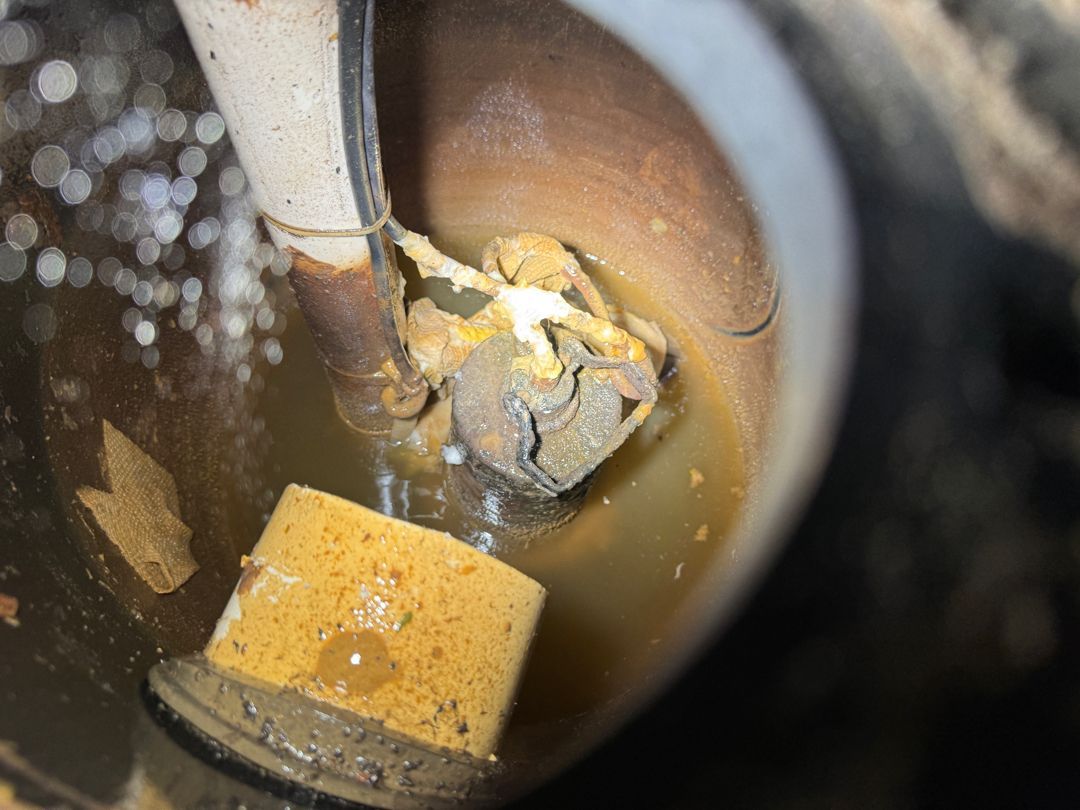
Many finished basements rely on a sewage ejector pump to move wastewater from basement fixtures to the main sewer line.
If the pump basin lid isn't properly sealed, the vent isn't functioning correctly, or the system develops a problem, sewer gases can escape into the basement.
Signs of an ejector pump issue may include:
• Sewer odor concentrated around the pump basin
• Frequent pump cycling
• Pump alarms
• Wastewater backups
______________________________________________________________________________________________________________________________________
6. Sewer Line Damage or Partial Blockages
Although it's not always the cause, sewer line problems can certainly produce sewer odors.
Common causes include:
• Tree root intrusion
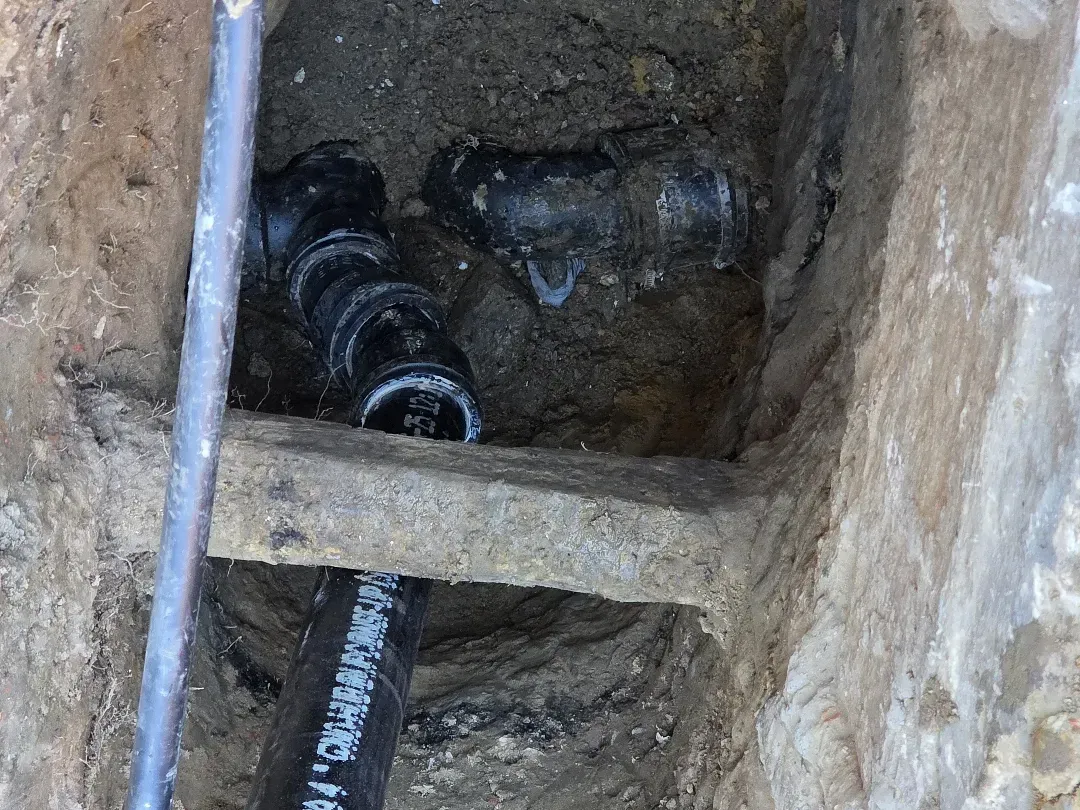
• Pipe separations
• Cracked sewer piping
• Grease buildup
• Partial blockages
These conditions can allow sewer gases to escape while also increasing the likelihood of recurring backups.
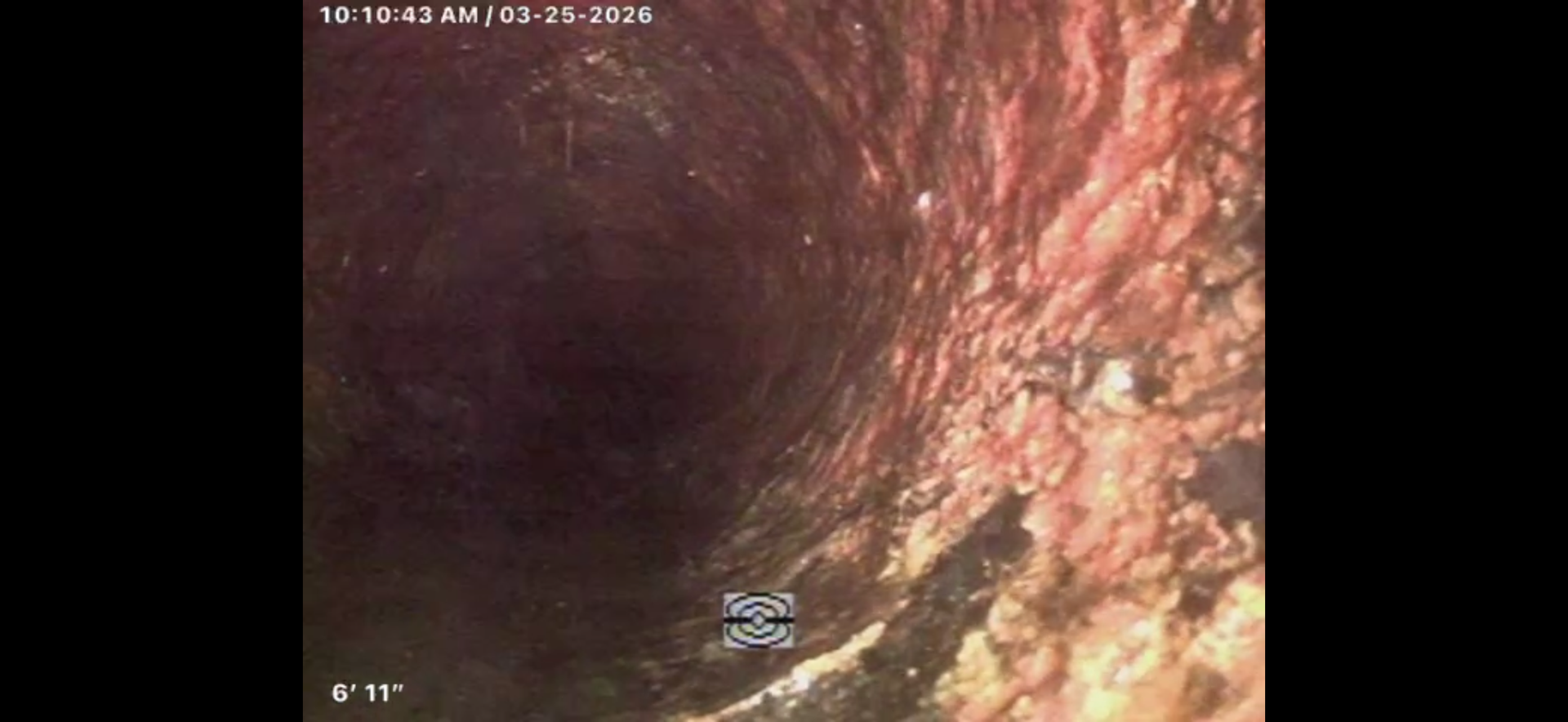
A sewer camera inspection is often the best way to determine the condition of the underground piping and identify the cause of the problem.
______________________________________________________________________________________________________________________________________
Is Sewer Gas Dangerous?
Sewer gas is more than an unpleasant odor.
In some situations, sewer gas can contain gases such as methane and hydrogen sulfide. While brief exposure to low concentrations typically causes unpleasant odors, a persistent sewer gas problem should never be ignored.
If you notice a strong sewer odor that doesn't go away, it's important to identify and correct the source as soon as possible.
______________________________________________________________________________________________________________________________________
Don't Ignore a Sewer Smell
Many homeowners attempt to mask sewer odors with air fresheners or deodorizers, but that only covers up the symptom, not the cause.
Whether the issues is a failed wax seal, a dry floor drain, a damaged sewer line, or another plumbing problem, early diagnosis can often prevent larger repairs and more costly damage.
If you've noticed a persistent sewer odor in your basement, Aqua Plumbing & Heating, LLC., can help identify the source and recommend the appropriate repair.
______________________________________________________________________________________________________________________________________
Contact Aqua Plumbing & Heating, LLC.!
Whether you're dealing with a sewer odor, a clogged drain, or a suspected sewer line problem, our experienced technicians are here to help.
📞 (267)600-8159
📧 Office@aquaplumbingheatingllc.com
🌐 Www.aquaplumbingandheatingllc.com/book-online
Serving Philadelphia and the surrounding communities with honest, professional plumbing services.