Why Older Cast Iron Sewer Lines Fail (And What Property Owners Should Watch Out For)
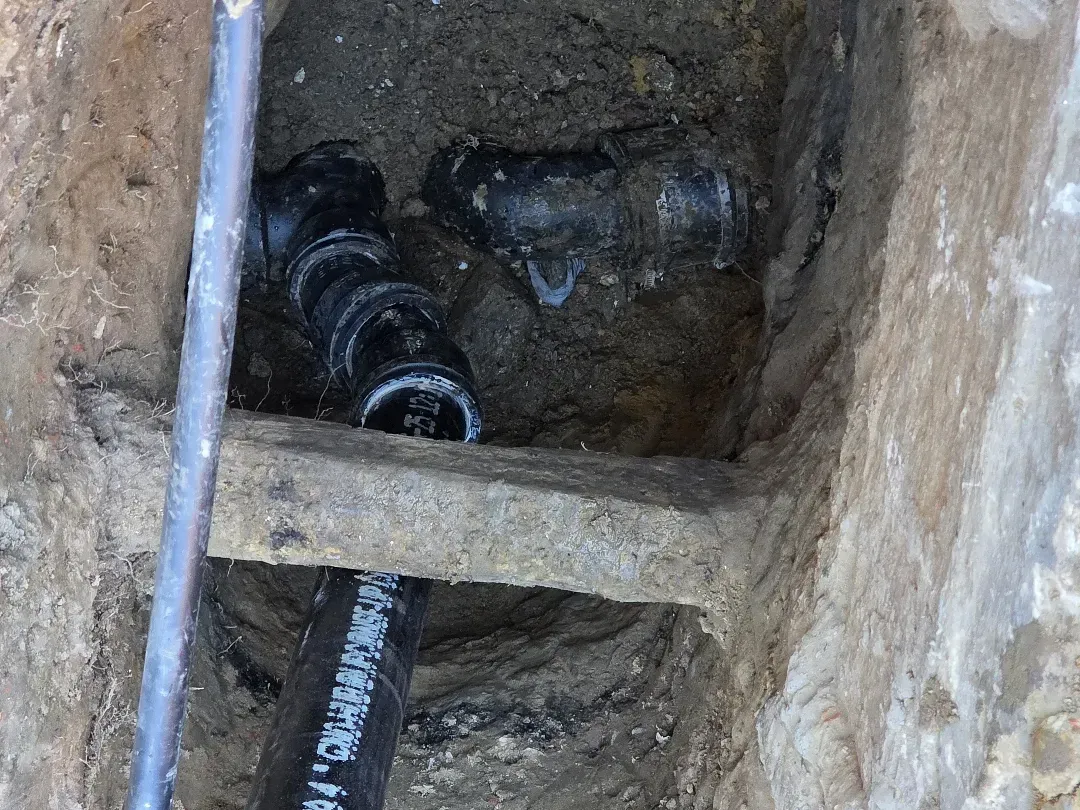
If your home or commercial building was built before the 1970s, there's a good chance it still has cast iron sewer piping. While cast iron was once considered the gold standard for drain and sewer systems, even the most durable plumbing materials eventually reach the end of their service life.
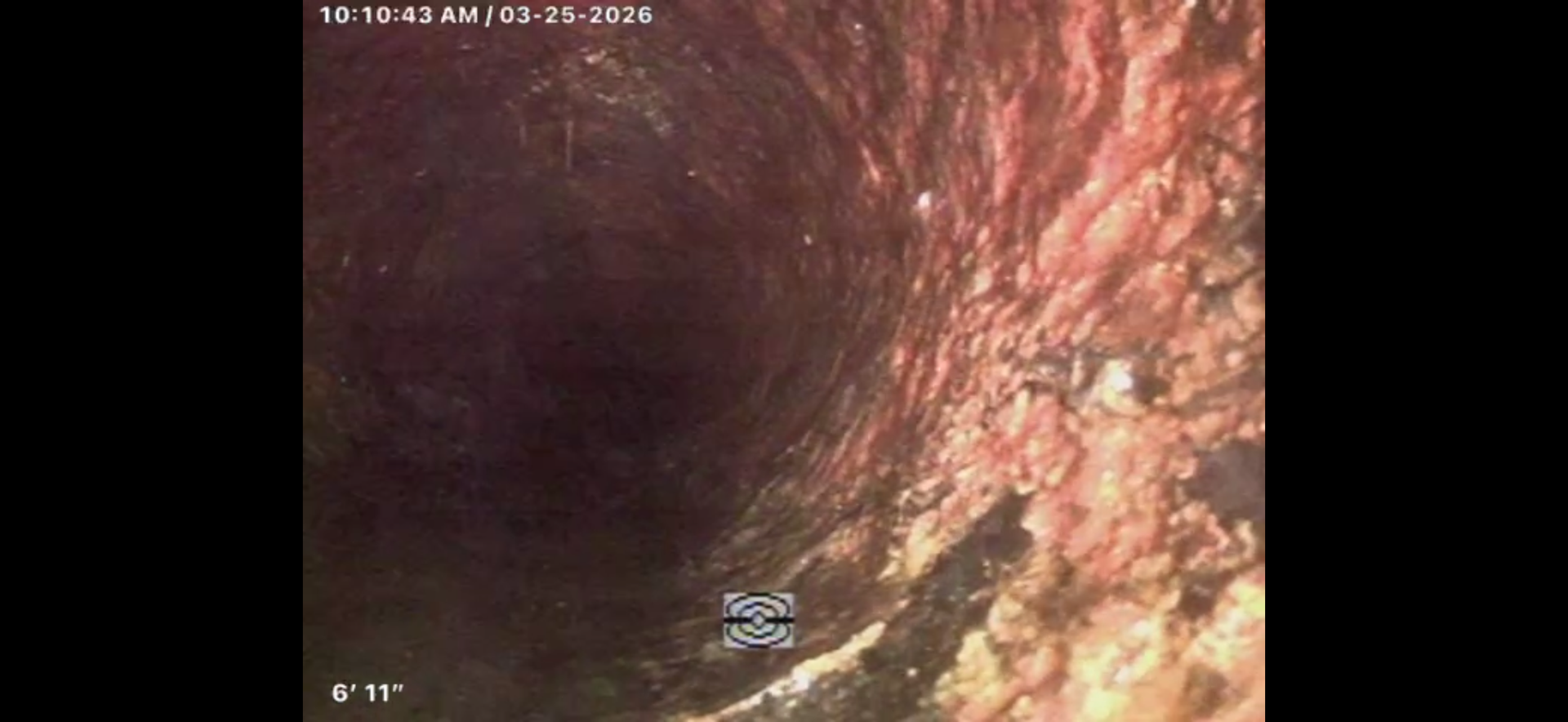
After decades underground, or even beneath concrete floors, cast iron sewer lines begin to deteriorate from the inside out. Knowing the warning signs can help you avoid costly water damage, emergency backups, and unexpected plumbing failures.
What Is a Cast Iron Sewer Line?
Cast iron sewer piping is extremely durable and, under ideal conditions, can last 50 to 100 years. However, factors such as soil conditions, wastewater chemistry, installation quality, and routine maintenance all play a significant role in its lifespan. Once deterioration begins, problems often accelerate quickly.
Why Do Cast Iron Sewer Lines Fail?
- Internal Corrosion
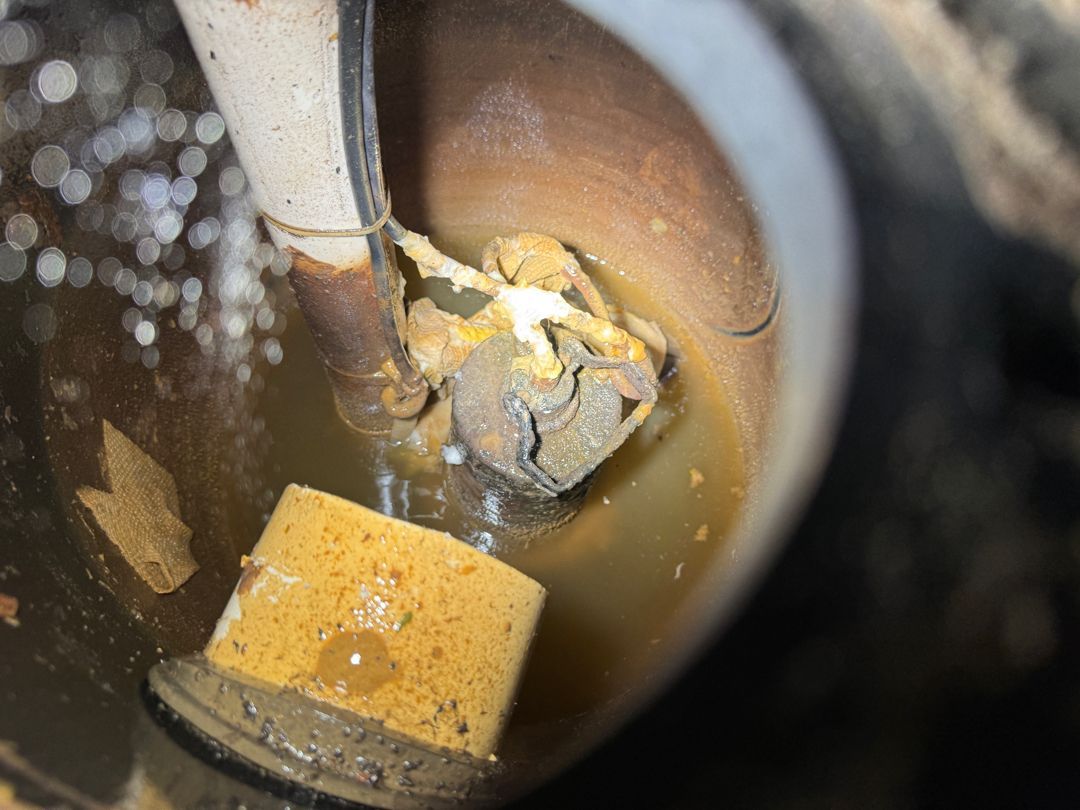
Unlike PVC, cast iron naturally rusts over time. Every time wastewater flows through the pipe, moisture, minerals, grease, and waste slowly eat away at the interior walls. Eventually the pipe becomes thinner until it develops cracks, holes, or complete failures.
2. Years of Grease and Debris Buildup
Kitchen grease, soap residue, paper products, and other debris gradually coat the inside of cast iron piping. As corrosion roughens the pipe walls, debris sticks even easier, causing recurring drain backups and slower drainage.
3. Bottom Rot
Wastewater naturally flows along the invert (bottom) of the pipe. Over decades, constant exposure to moisture and corrosive wastewater causes the bottom of the pipe to deteriorate first. Eventually, holes develop, sections collapse, or the pipe loses its structural integrity.
4. Shifting Soil and Foundation Movement
Ground movement places stress on rigid cast iron piping. Over time, settling foundations, nearby excavation, freeze-thaw cycles, or heavy traffic above the pipe can cause:
• Cracked hubs
• Separated joints
• Broken fittings
• Sagging sewer lines
5. Tree Root Intrusion
Small openings in older cast iron joints allow moisture to escape. Tree roots naturally seek out that moisture and work their way into the sewer line, creating blockages and eventually breaking apart the pipe itself.
6. Age
Sometimes there's simply no single failure. A pipe that's been carrying wastewater for 60, 70, or even 100 years has reached the end of its useful life.
7. Improper Past Repairs
Many older sewer systems have undergone multiple repairs over the years. Improper couplings, mismatched pipe materials, or poorly installed patches can create weak points that eventually fail or contribute to recurring drainage problems.
Signs Your Cast Iron Sewer Line May Be Failing
Watch for:
• Frequent drain backups
• Multiple fixtures backing up at the same time
• Slow drains throughout the property
• Sewer odors inside the building
• Water appearing around basement floor drains
• Foundation settlement near underground piping
• Drain cleaning that only provides temporary relief
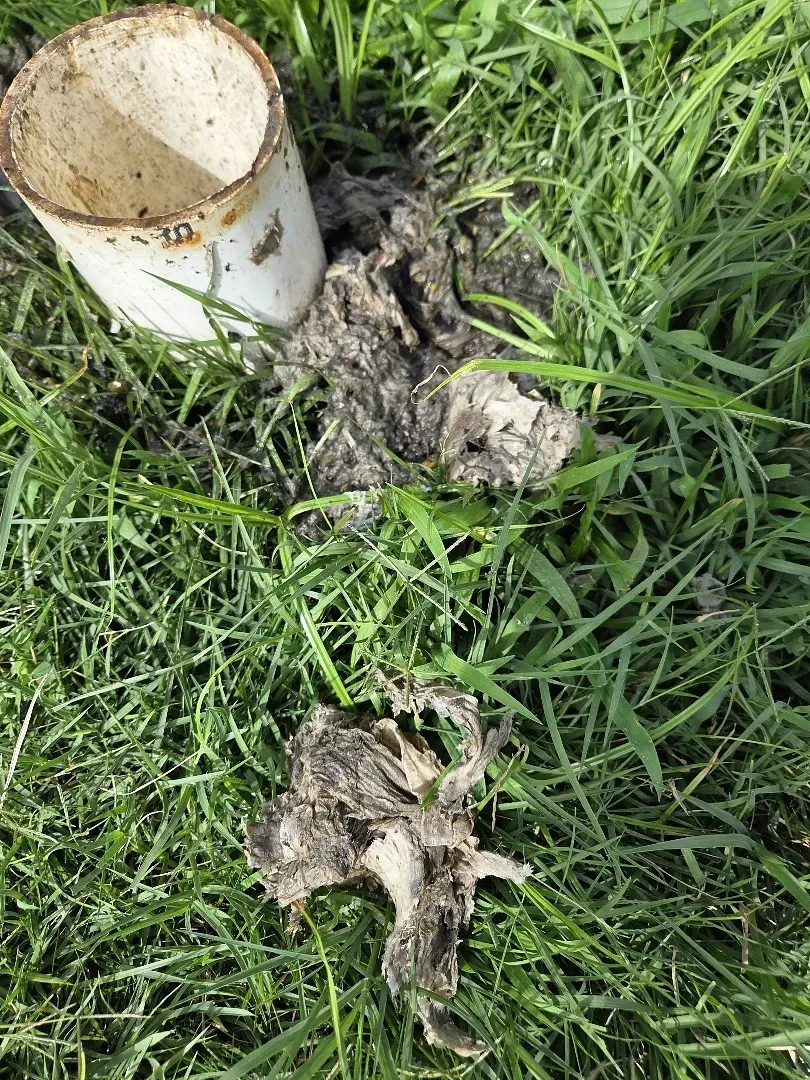
• Sinkholes
If you're experiencing several of these symptoms, the issue may be much larger than a simple clog.
How We Diagnose Older Sewer Lines
At Aqua Plumbing & Heating, LLC., we typically recommend a high-resolution sewer camera inspection for older cast iron systems.
A camera inspection allows us to evaluate:
• Internal corrosion
• Cracks and fractures
• Pipe separations
• Root intrusion
• Bottom rot
• Bellies (low spots)
• Partial or complete collapses
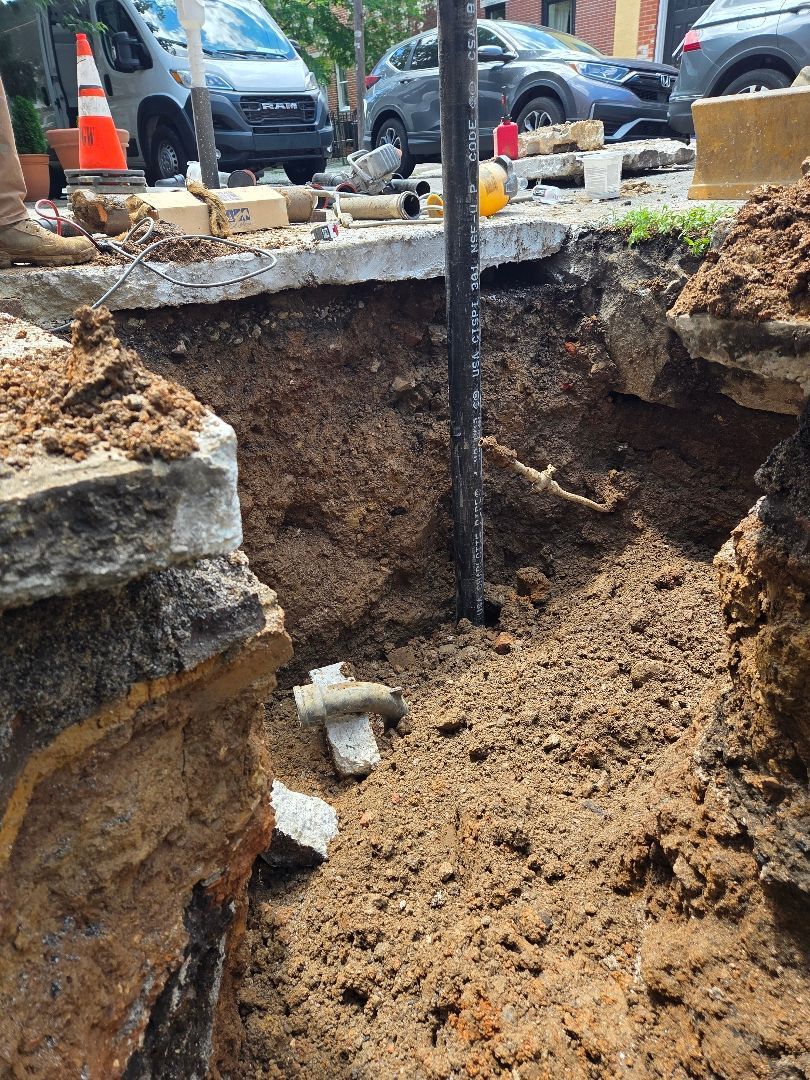
A sewer camera inspection allows us to accurately diagnose the condition of the piping before any excavation begins. This helps determine whether a localized repair is appropriate or whether complete replacement is the most cost-effective long-term solution.
When Is Replacement the Best Option?
Replacement is often recommended when a sewer line has:
• Extensive corrosion
• Multiple recurring failures
• Significant bottom rot
• Collapsed sections
• Numerous previous repairs
• Structural defects throughout the system
Although replacing a sewer line is a larger project, it often saves property owners money compared to repeated emergency drain cleaning and spot repairs.
Trust Aqua Plumbing & Heating, LLC.!
Diagnosing a failing cast iron sewer line requires more than simply clearing a clog. Proper diagnosis involves identifying the root cause of the problem so the appropriate repair can be recommended. Whether your property requires a sewer camera inspection, professional drain cleaning, excavation, or complete sewer line replacement, Aqua Plumbing & Heating, LLC. has the experience and equipment to provide lasting solutions—not temporary fixes.
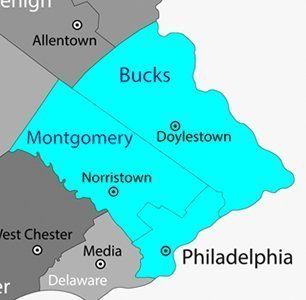
We proudly serve Philadelphia, Bucks County, Montgomery County, and Delaware County.
📞 (267)600-8159