Why Does My Toilet Keep Running? (And How Much Is It Costing You?)
Have you ever flushed your toilet only to hear it continue running minutes later? While it may seem like a minor annoyance, a running toilet can waste a surprising amount of water, and money. The good news? Many running toilets can be repaired quickly, especially if you catch the problem early.
How much water does a running toilet waste?
A running toilet can waste hundreds of gallons of water every day, depending on the severity of the leak. According to the U.S. Environmental Protection Agency (EPA), household leaks can waste nearly 10,000 gallons of water each year, and toilets are one of the most common culprits. That means a simple toilet repair could help lower your monthly water bill while preventing unnecessary water waste.
5 Common Reasons Your Toilet Keeps Running
- Worn-Out Flapper
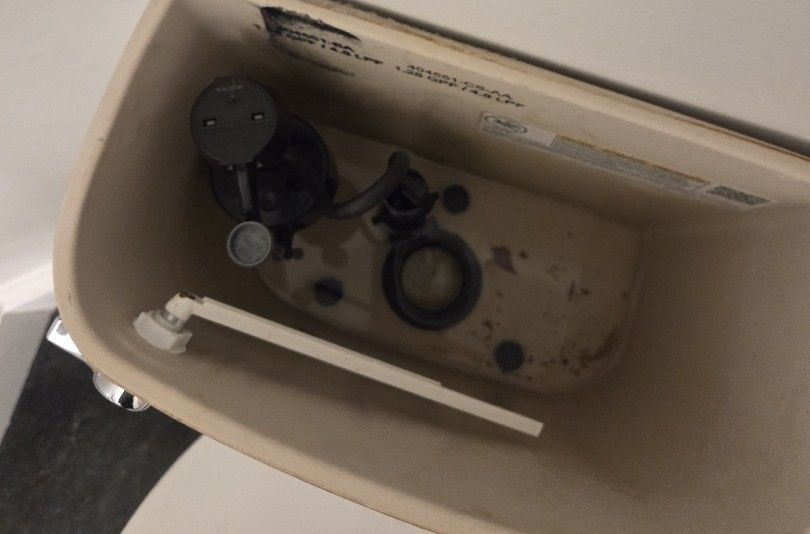
The flapper is the rubber seal at the bottom of your toilet tank. After years of use, it can become warped, cracked, or worn out, allowing water to continuously leak from the tank into the bowl.
Signs:
• The toilet randomly starts running
• You hear water trickling into the bowl
• The tank refills every few minutes
Fortunately, replacing a flapper is often a simple repair.
2. Fill Valve Needs Replacement
The fill valve controls how much water enters the tank after each flush. Over time, mineral buildup and normal wear can prevent it from shutting off properly, causing the toilet to run continuously.
Signs:
• Constant hissing sound
• Water continuously entering the overflow tube
• Tank never completely fills
Replacing a faulty fill valve can restore proper operation and improve water efficiency.
3. Float is Set Too High
Inside your toilet tank is a float that tells the fill valve when to stop adding water. If it's adjusted too high, water continues flowing into the overflow tube instead of shutting off. This is a common issue that can usually be corrected with a simple adjustment.
4. Chain is Too Tight or Too Loose
The chain connecting the flush handle to the flapper needs just the right amount of slack. If it's too tight, the flapper can't fully close. If it's too loose, the flapper may not open correctly during a flush. A quick adjustment can often solve the problem.
5. Simply an Older Toilet
Like any plumbing fixture, toilets wear out over time. If you're constantly repairing the same toilet or replacing multiple internal parts, it may be more cost-effective to replace the entire fixture with a newer, water-efficient model. Modern toilets use significantly less water while providing better flushing performance.
How to Tell if Your Toilet is Leaking:
Not every toilet leak is obvious. Try this simple test:
• Add a few drops of food coloring to the toilet tank
• Wait 15-20 minutes without flushing
• If colored water appears in the bowl, your toilet has a leak
This quick test can help identify hidden leaks before they impact your water bill.
Should you repair or replace your toilet?
In many cases, replacing a flapper, fill valve, or other internal components is all that's needed. However, if your toilet:
- Frequently clogs
- Rocks or feels loose
- Has cracks in the porcelain
- Requires repeated repairs
- Is more than 20 years old
...it may be time to consider a replacement.
A plumbing professional can help you determine the most cost-effective solution.
Don't ignore a running toilet! That constant sound of running water isn't just annoying; it could be costing you money every month. Addressing the issue early can:
• Reduce your water bill
• Prevent unnecessary water waste
• Avoid more extensive plumbing repairs
• Improve your home's water efficiency
If your toilet won't stop running, Aqua Plumbing & Heating, LLC., is here to help. Our experienced technicians can quickly diagnose the problem and recommend to the best repair or replacement option.
Need a toilet repair?
Whether it's a running toilet, a leaking shut-off valve, or a complete toilet replacement, our team is ready to help.