Common Reasons Water Heaters Fail (And the Warning Signs to Watch For)
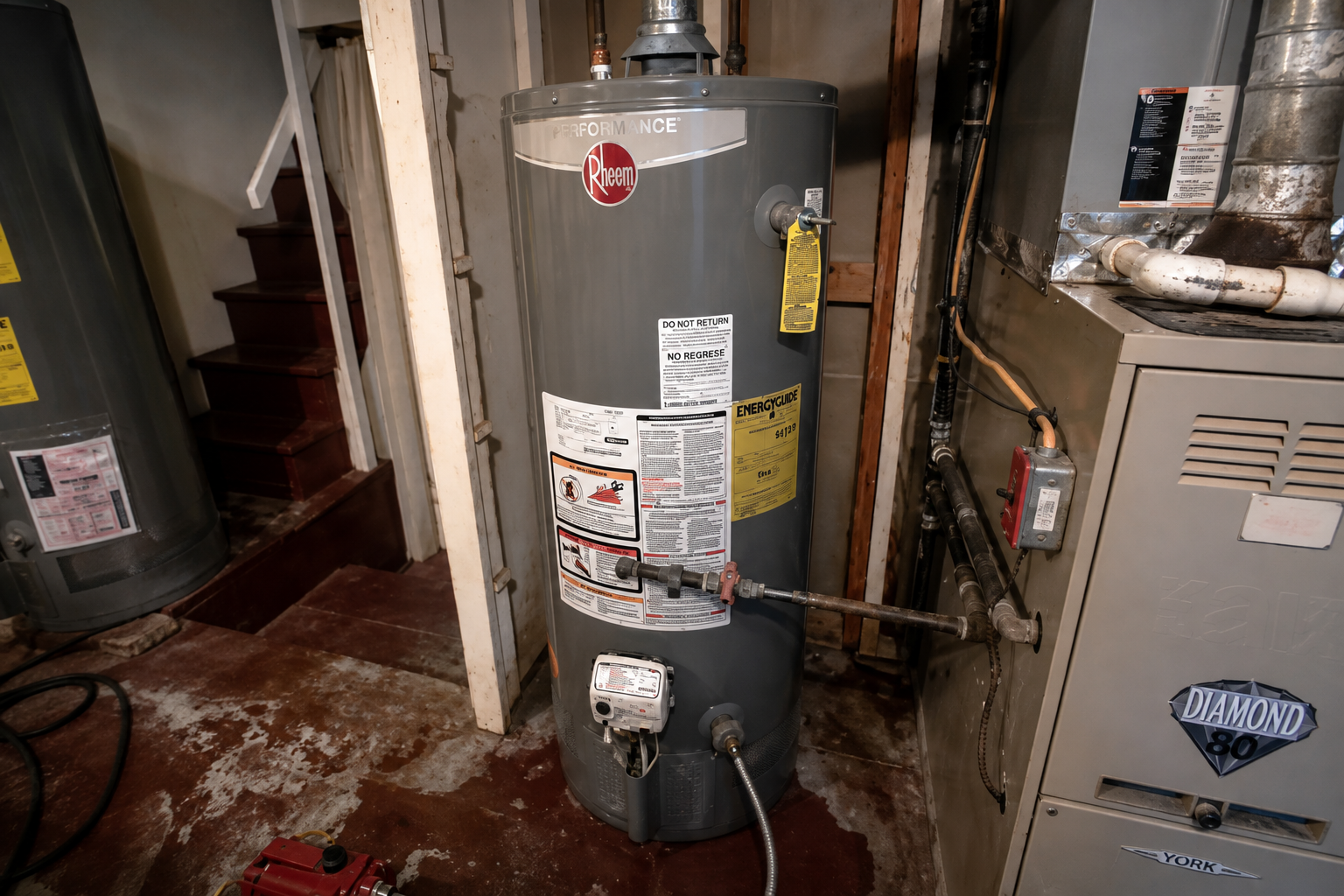
Your water heater is one of those household systems you probably don't think much about until you're standing in a cold shower.
While some water heater failures seem to happen overnight, many actually develop over time. Changes in water temperature, unusual noises, discoloration, moisture around the tank, and other seemingly minor problems can all be early warning signs that something isn't working properly.
Understanding the common reasons water heaters fail can help Philadelphia homeowners recognize a problem before it turns into a loss of hot water or a leaking tank and potential water damage.
Here are some of the most common water heater problems we encounter.
1. Sediment Buildup Inside the Tank
Over time, minerals and sediment can accumulate at the bottom of a traditional tank-style water heater.
As the layer of sediment becomes heavier, it can interfere with the water heater's ability to efficiently transfer heat to the water. In gas-fired units, homeowners may also begin hearing popping, rumbling, or banging noises as water becomes trapped beneath the sediment and heats.
Excessive sediment buildup can contribute to:
- Reduced heating efficiency
- Longer recovery times
- Unusual noises during operation
- Increased energy consumption
- Premature deterioration of the tank
Regular maintenance can help reduce sediment accumulation, although the condition and age of the water heater should always be considered before attempting to flush an older tank.
2. A Failed Heating Element
Electric water heaters typically use heating elements inside the tank to heat the water.
If one of these elements fails, you may still have some hot water but not nearly as much as you normally expect. If multiple components fail, you may have no hot water at all.
Common symptoms include water that doesn't get hot enough, hot water that runs out unusually quickly, or completely cold water.
A professional evaluation can determine whether the problem is with a heating element, thermostat, electrical supply, or another component.
3. Gas Burner or Ignition Problems
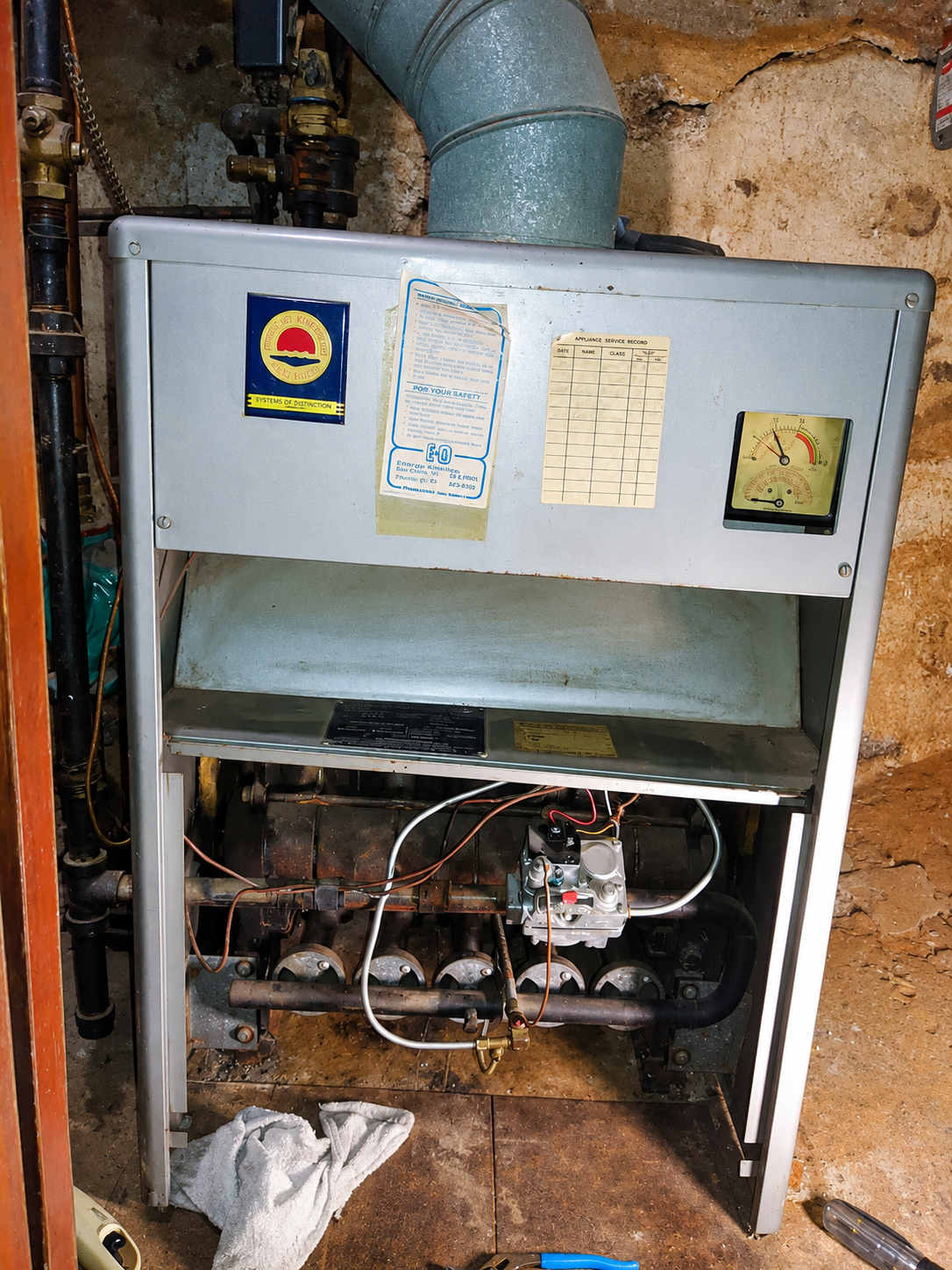
Gas-fired water heaters rely on a properly functioning burner and ignition system.
Depending on the type and age of the unit, problems with the pilot, ignition components, burner assembly, gas controls, or related safety components can prevent the water heater from operating correctly.
If a gas water heater repeatedly shuts down or won't ignite, the underlying cause should be properly diagnosed rather than repeatedly attempting to restart the appliance.
If you ever smell gas around a water heater or another gas-fired appliance, treat the situation as a potential gas leak rather than a routine water heater repair.
4. Thermostat or Temperature-Control Problems
The thermostat controls when your water heater heats the water and helps maintain the desired temperature.
When a thermostat or related control isn't operating correctly, you may experience:
- Water that isn't hot enough
- Water that becomes excessively hot
- Inconsistent temperatures
- A water heater that doesn't cycle properly
Temperature problems don't automatically mean the entire water heater needs to be replaced. Proper troubleshooting can determine whether an individual component can be repaired or whether the condition of the overall unit makes replacement the better option.
5. Corrosion Inside the Water Heater
Water heater tanks are constantly exposed to water, which makes corrosion prevention extremely important.
Traditional tank-style water heaters generally contain an anode rod, sometimes referred to as a sacrificial anode. Its purpose is to corrode instead of the steel tank.
Eventually, however, the anode rod can become depleted. Once corrosion begins attacking the tank itself, the integrity of the water heater can deteriorate.
Rust-colored water, corrosion around fittings, or visible deterioration around the water heater shouldn't be ignored.
Most importantly, a leaking or corroded tank itself generally isn't something that can simply be patched as a permanent plumbing repair. Tank failure usually means the water heater needs to be replaced.
6. Excessive Water Pressure
High water pressure doesn't just affect faucets and toilets. It can put additional stress on your home's entire plumbing system, including the water heater.
Excessive pressure can contribute to premature wear on:
- Water heater components
- Supply connections
- Valves
- Fixtures
- Flexible connectors
- Other plumbing components throughout the property
If a water heater or its associated plumbing repeatedly develops leaks or other problems, checking the property's water pressure may be an important part of diagnosing the underlying cause.
7. Problems With the Temperature and Pressure Relief Valve
Tank-style water heaters are equipped with a temperature and pressure relief valve, commonly called a T&P valve.
This is an important safety device designed to relieve excessive temperature or pressure within the tank under certain conditions.
Water coming from the relief valve should not simply be ignored or assumed to mean that the valve itself is defective. The discharge could indicate a problem with the valve, excessive pressure, thermal expansion, excessive temperature, or another condition that needs to be evaluated.
Never plug, cap, or disable a water heater's temperature and pressure relief valve.
8. Thermal Expansion Problems
When water is heated, it expands.
In certain plumbing systems, particularly closed systems, that expansion needs to be properly accommodated. An expansion tank may be installed as part of the water heater system for this purpose.
An improperly sized, incorrectly charged, failed, or missing expansion tank can contribute to pressure fluctuations and unnecessary stress on the water heater and plumbing system.
If you're seeing repeated pressure-related problems, simply replacing the leaking component without determining why it failed may not solve the underlying issue.
9. Leaking Connections and Valves
Not every puddle around a water heater means the tank has failed.
Water can leak from several locations around the unit, including:
- Hot and cold water connections
- Shutoff valves
- Drain valves
- Relief valve piping
- Expansion tank connections
- Nearby plumbing
Determining exactly where the water is coming from matters.
A leaking connection may be repairable. A leaking tank is an entirely different situation and will typically require replacement of the water heater.
10. Age and Normal Wear
Sometimes there isn't one dramatic component failure. The water heater has simply reached a point where years of heating, cooling, expansion, mineral accumulation, and normal use have taken their toll.
Older equipment can also reach a point where repeatedly replacing individual components no longer makes financial sense.
That doesn't mean every older water heater automatically needs replacement. The decision should take into account the condition of the tank, the nature of the failure, repair costs, previous repairs, and the overall condition of the installation.
Repair or Replace? It Depends on What's Actually Wrong
One of the most common questions homeowners ask is: “Do I need a new water heater, or can this one be repaired?”
There isn't one answer that applies to every situation.
A failed replaceable component on an otherwise sound water heater may justify a repair. A leaking tank, significant corrosion, repeated failures, or an aging unit requiring an expensive repair may make replacement the more practical choice.
That's why diagnosing the actual problem should come before deciding on the solution.
Signs Your Water Heater Should Be Evaluated
Consider having your water heater professionally evaluated if you notice:
- No hot water
- Hot water running out faster than normal
- Inconsistent water temperatures
- Water that's excessively hot
- Popping, banging, or rumbling sounds
- Rust-colored or discolored hot water
- Moisture or puddling around the water heater
- Corrosion around the tank or connections
- Water discharging from the relief valve
- Repeatedly having to reset or restart the unit
- A noticeable change in the way the water heater operates
Catching a developing problem early may provide more repair options and can reduce the chance of discovering the problem because the tank has already begun leaking.
If your water heater isn't producing hot water, is leaking, making unusual noises, or simply isn't operating the way it normally does, Aqua Plumbing & Heating LLC can evaluate the system and determine the appropriate next steps.
Our plumbers can inspect the water heater and associated plumbing, identify observable problems, and provide recommendations based on the condition of the equipment and installation.
Whether the appropriate solution is a repair or replacement, the first step is determining what's actually causing the problem.
Need your water heater evaluated? Contact Aqua Plumbing & Heating LLC to schedule plumbing service in Philadelphia.