Why Plumbing Cleanouts Matter and Why You Should Know Where Yours Are
Most homeowners know where their electrical panel is. Many know where the main water shutoff is. But if you asked where the plumbing cleanouts are located, would you know where to look?
A plumbing cleanout may not be something you think about until there's a clogged rain, sewer backup, or another drainage problem. When service is needed, however, having accessible drain cleanout access can make an important difference in how a plumber is able to inspect and service the drainage system.
Knowing where your cleanouts are and keeping them accessible can save valuable time when a drain or sewer problem occurs.
What is a plumbing cleanout?
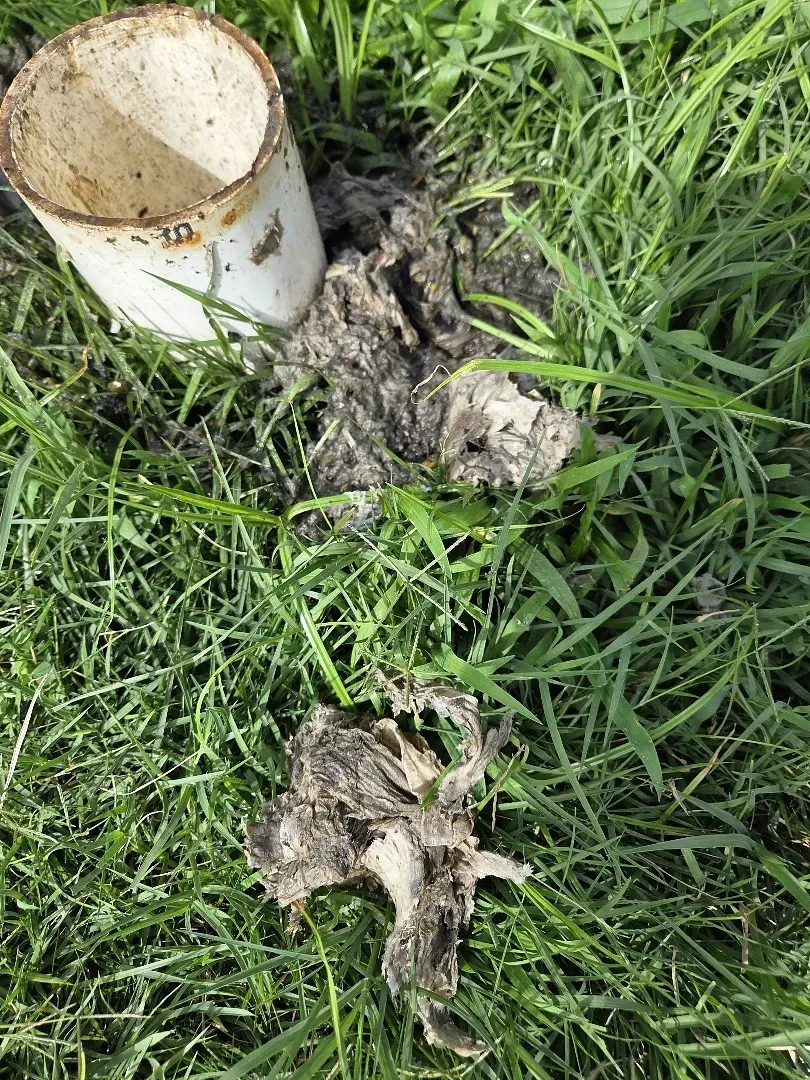
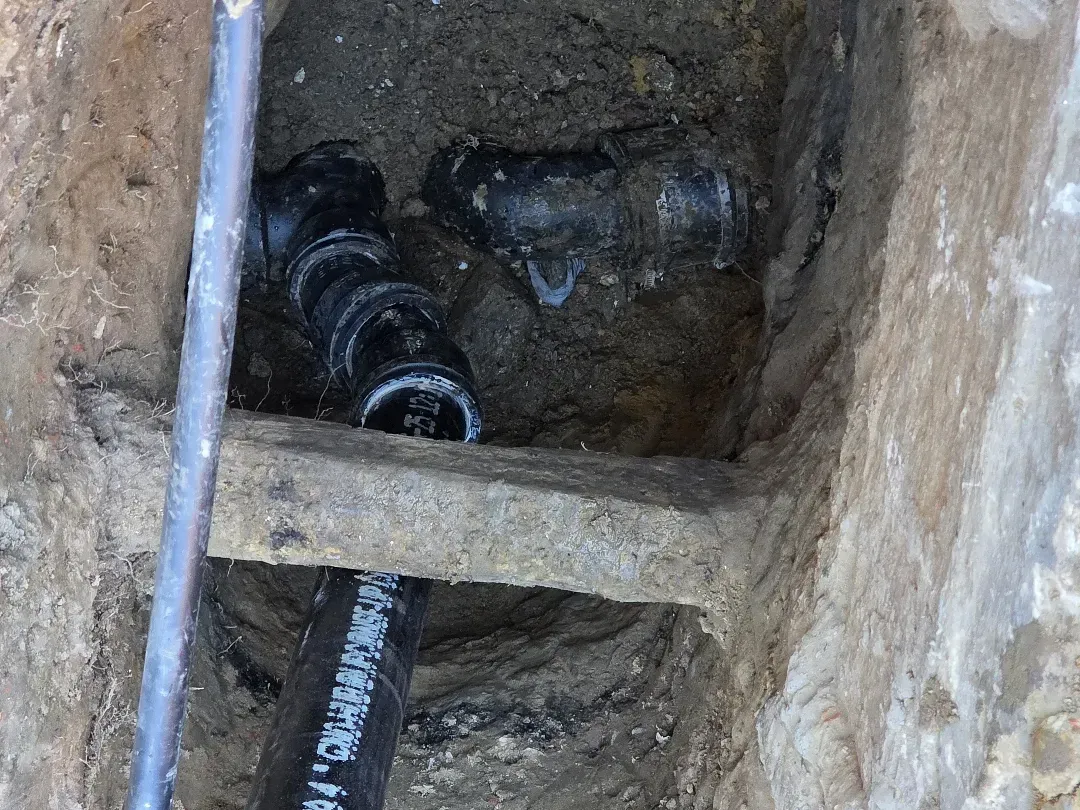
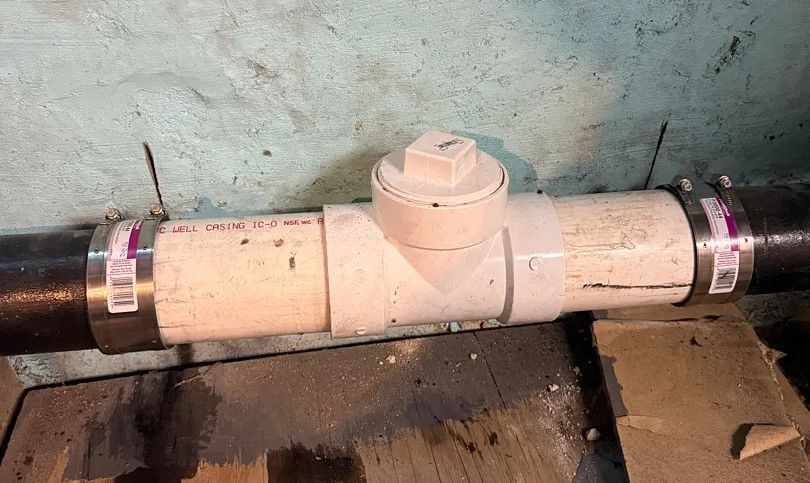
A plumbing cleanout is an access point installed within a drain or sewer line. It typically consists of a fitting with a removable threaded cap that allows a plumber to access the piping without having to disconnect fixtures or immediately open walls, floors, or other finished areas.
Depending on the plumbing system and the problem being investigated, a cleanout may provide access for services such as:
• Mechanical drain cleaning
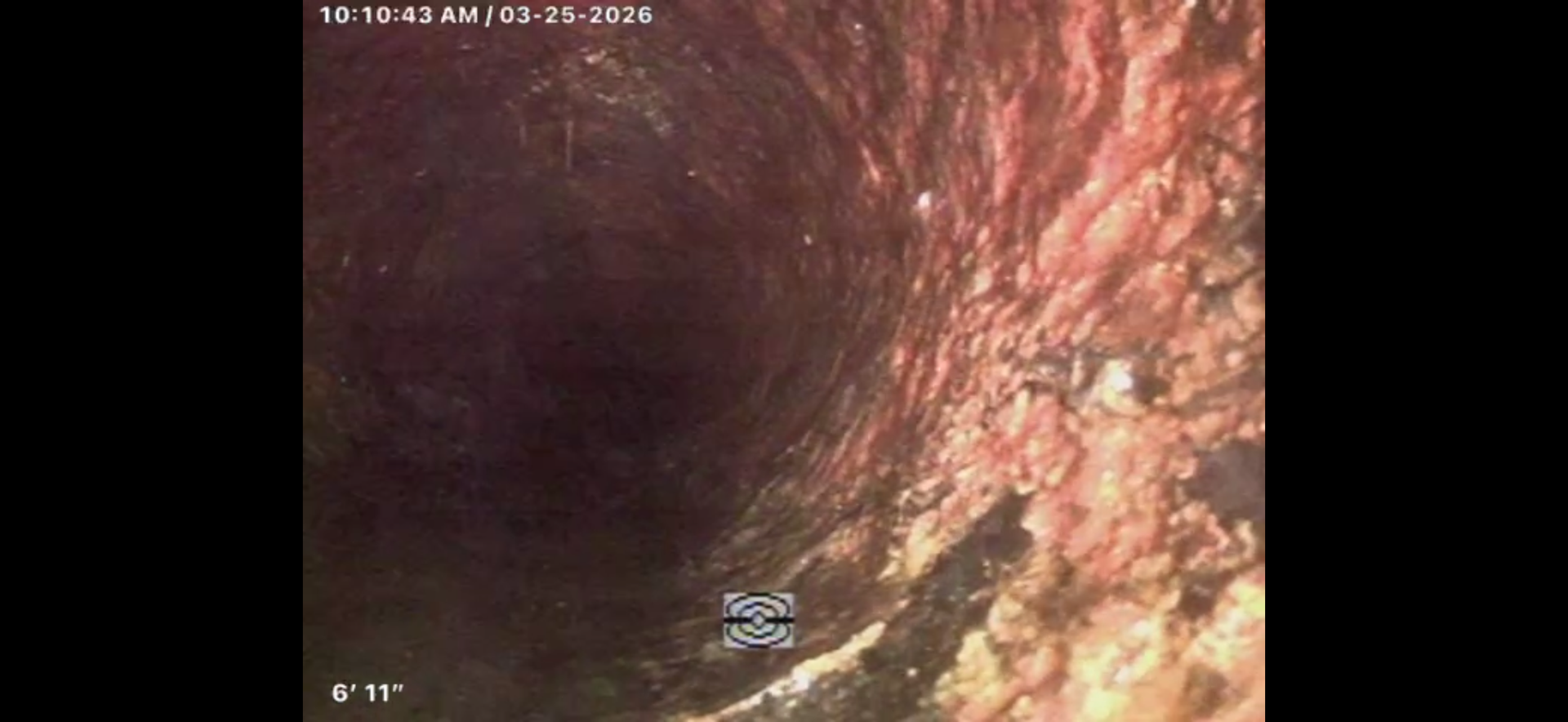
• Sewer camera inspections
• Hydro-jetting
• Diagnosing recurring drain or sewer problems
• Inspecting portions of the drainage system that would otherwise be difficult to reach
The size, type, location, and direction of a cleanout can affect which portions of the drainage system can be accessed through it. Not every cleanout necessarily provides access to every part of a home's drain or sewer system.
Where are plumbing cleanouts located?
There isn't one universal location for a plumbing cleanout. The location will depend on the property's plumbing system, age, layout, and how the drainage piping was installed.
Cleanouts may be found in areas such as:
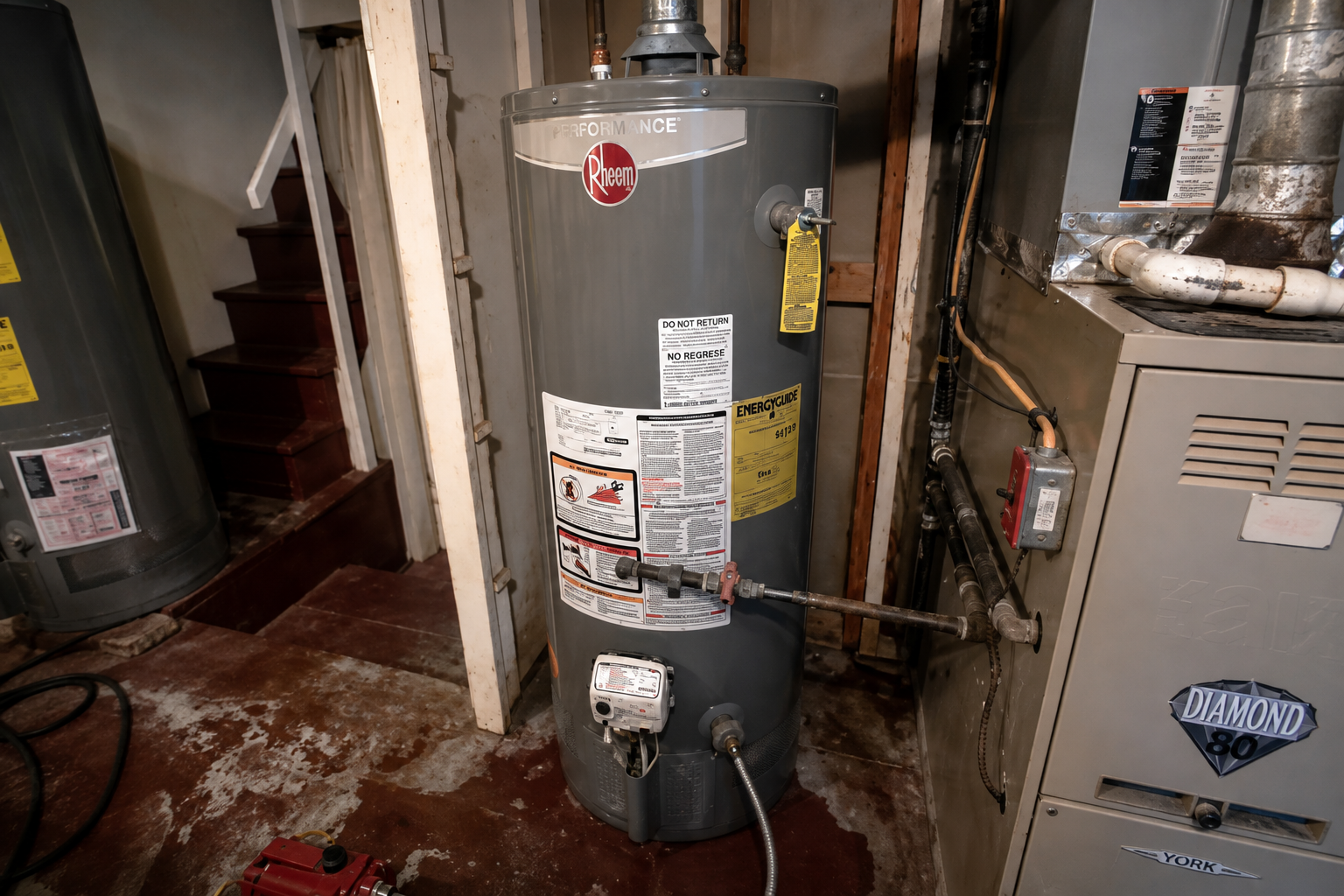
• Basements
• Crawlspaces
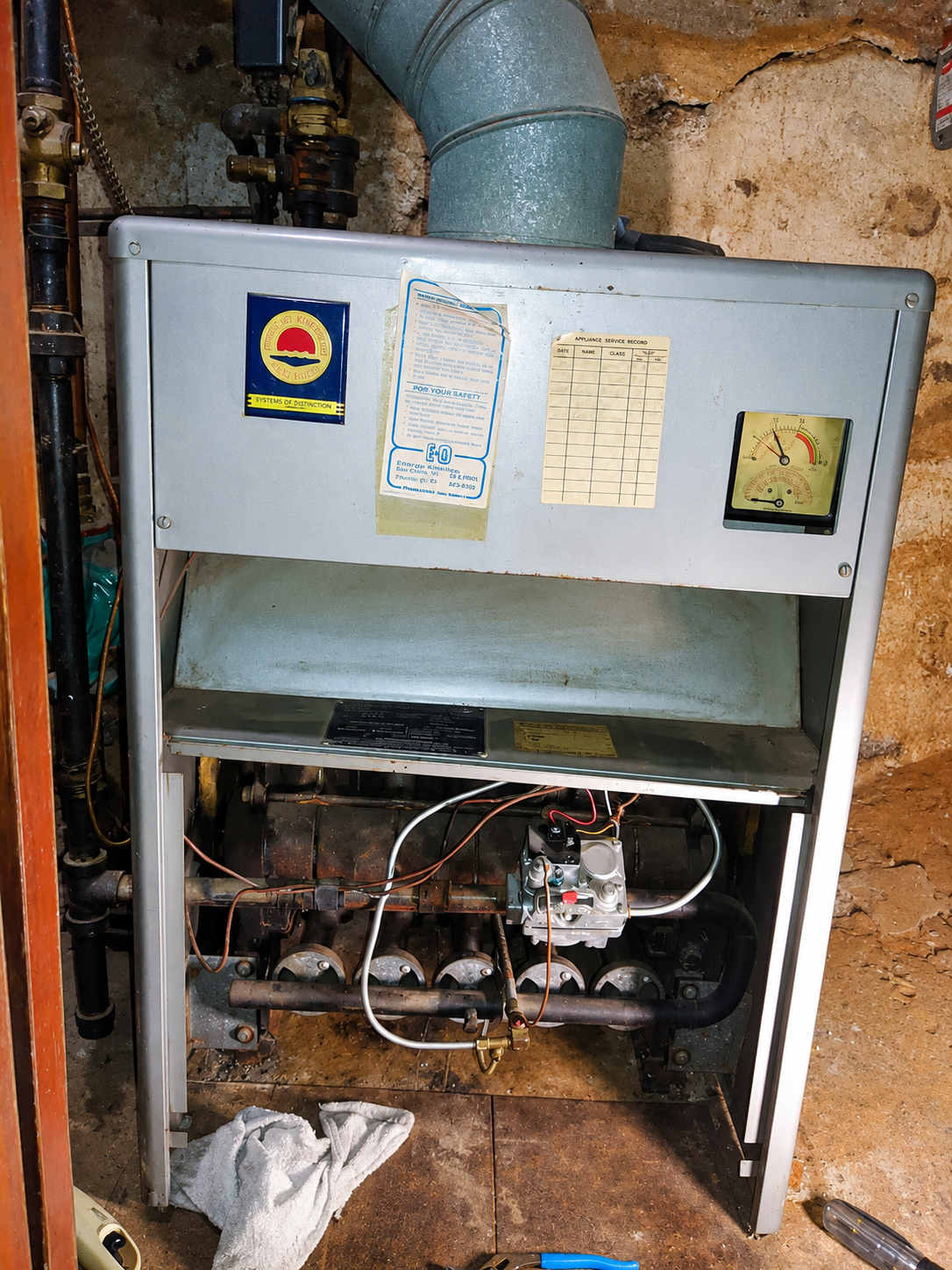
• Utility or mechanical rooms
• Near the base of a plumbing stack
• Along exposed drain piping
• Near an exterior foundation wall
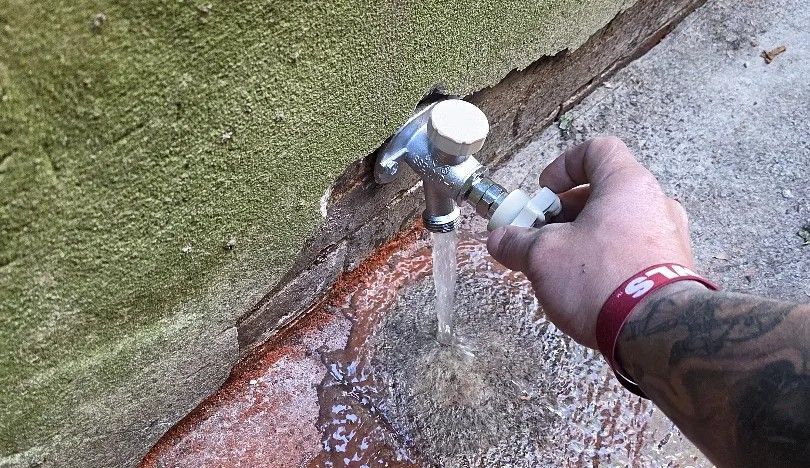
• Outside the home
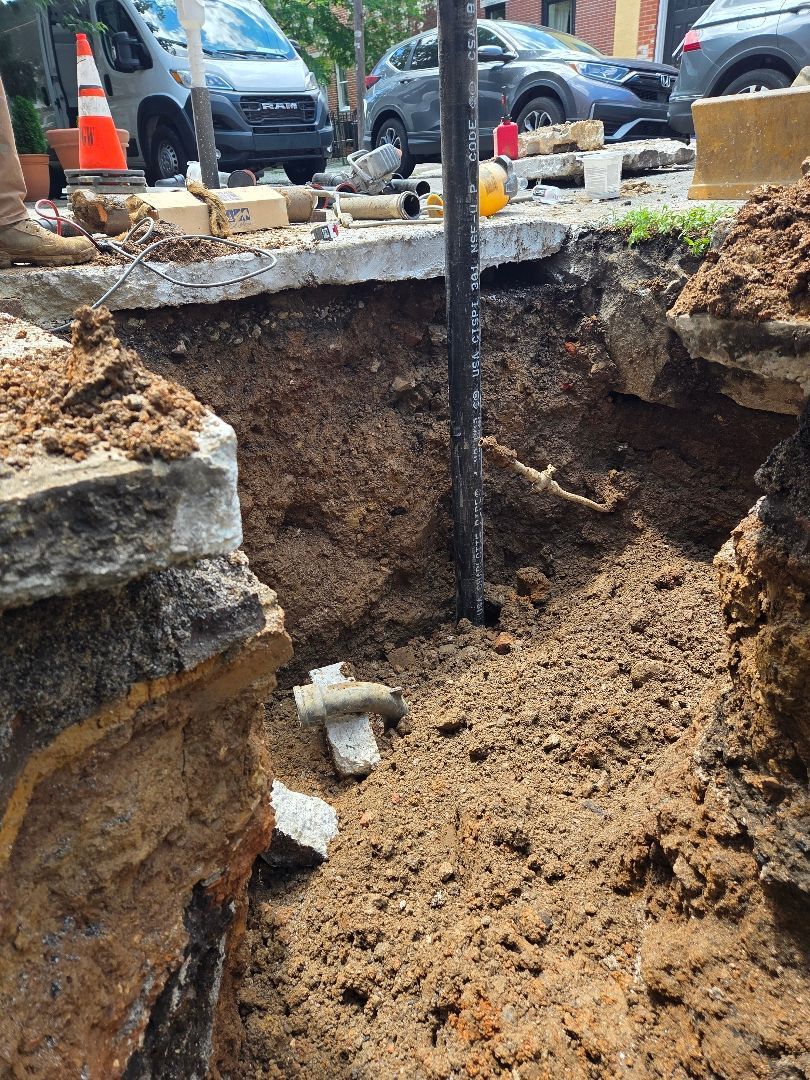
• In yards or other areas along the sewer line
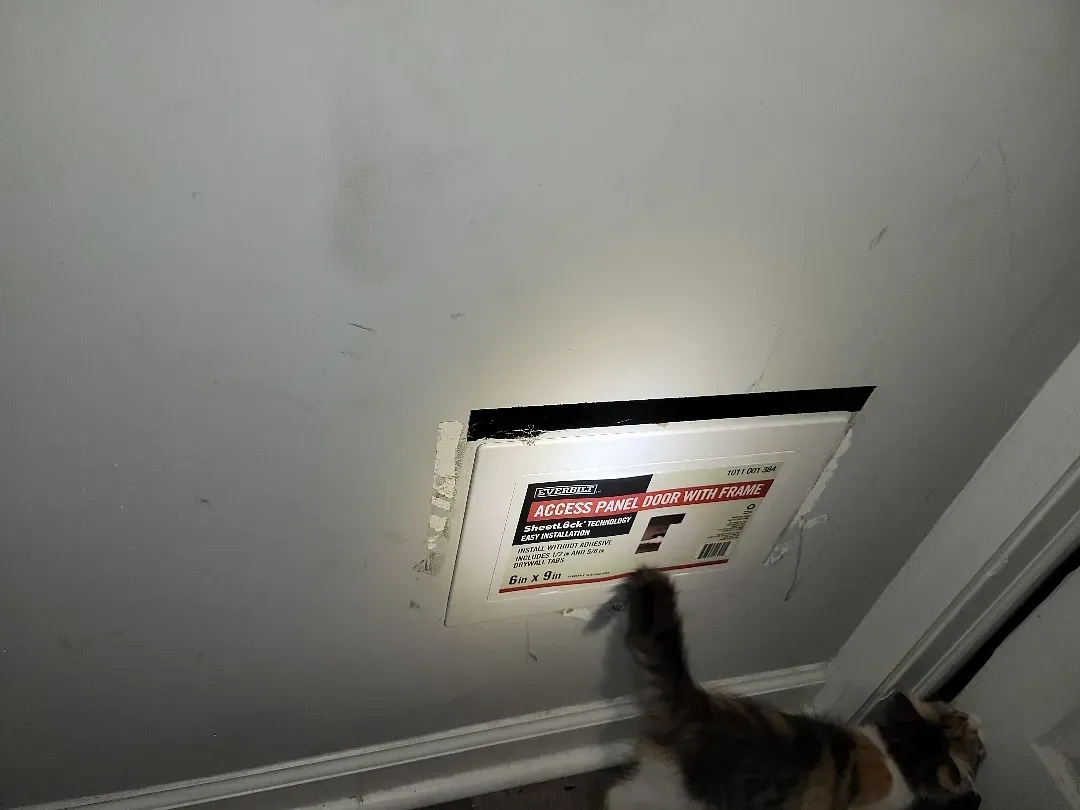
Some properties have multiple cleanouts serving different sections of the drainage system. Others may have cleanouts that are difficult to recognize because they have been covered, enclosed, buried, or obstructed over the years.
Why does drain cleanout access matter?
When you have a clogged of backed-up drain, one of the first things a plumber may need to determine is where the drainage system can be safely and effectively accessed.
An accessible plumbing cleanout can provide a direct entry point for drain cleaning equipment or a sewer camera.
Without usable drain cleanout access, reaching the affected line may require a different approach. Depending on the plumbing configuration, that could mean accessing the system through another available cleanout, removing a plumbing fixture, or performing additional work to reach the piping.
This is one reason it's helpful to know where your cleanouts are before you're dealing with a plumbing problem.
What happens when a cleanout is buried or blocked?
A cleanout isn't very helpful if nobody can get to it.
Over time, cleanouts can become inaccessible for a number of reasons. They may be:
• Covered by stored belongings
• Hidden behind shelving or furniture
• Enclosed during a renovation
• Covered by flooring or other finishes
• Buried beneath soil, mulch, landscaping, or debris
• Located in an area that becomes difficult to access
• Painted over or otherwise difficult to identify
In some cases, the cleanout itself may also be damaged, deteriorated, seized, or otherwise unusable.
When sewer service access is obstructed, additional time or work may be necessary before the drainage system can even be properly evaluated or serviced.
During a sewer backup, that is not when you want to discover that the access point you need is buried behind a finished wall or underneath years of stored belongings.
Having a Cleanout Doesn't Always Mean It Can Be Used
Finding a plumbing cleanout is a good start, but accessibility isn't the only consideration.
Older cleanout caps and fittings can become corroded, damaged, or difficult to remove. The cleanout may also be positioned in a way that does not provide useful access to the particular section of piping experiencing a problem.
This is why homeowners should be cautious about attempting to force open an old or deteriorated cleanout themselves. Damaging the fitting or surrounding piping can turn an access issue into a plumbing repair.
A plumber can determine whether an existing cleanout is appropriate and serviceable for the work being performed.
How are cleanouts used for sewer camera inspections?
A sewer camera inspection involves inserting specialized camera equipment into accessible drainage piping so the plumber can visually inspect portions of the line.
When properly located, a plumbing cleanout can provide an excellent access point for this type of inspection.
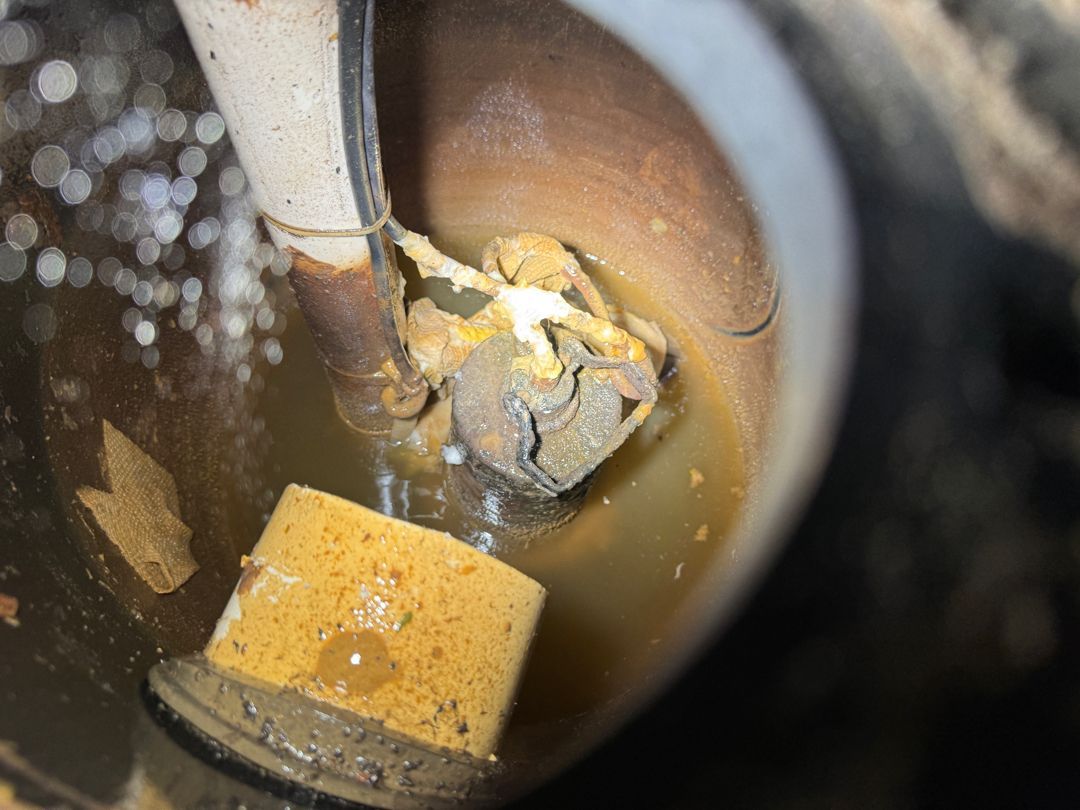
A camera inspection may help identify visible conditions within accessible piping, such as buildup, obstructions, deterioration, offsets, damaged piping, or other conditions that may warrant further investigation or repair.
The distance and direction that can be inspected will depend on the plumbing configuration and available access.
How are cleanouts used for drain cleaning?
Cleanouts can also provide access for mechanical drain cleaning equipment.
Instead of attempting to reach a blockage through a sink, tub, toilet, or another fixture, a properly positioned cleanout may allow the plumber to access the drainage line more directly.
For certain sewer and drain problems, cleanouts may also provide access for hydro-jetting equipment.
The appropriate method depends on the type of drainage system, the condition of the piping, the location of the problem, and the available service access.
Keep the Area Around Your Cleanouts Clear
You don't need to inspect your cleanout every week, but once you know where it is, try to keep the surrounding area reasonably accessible.
Avoid permanently covering a plumbing cleanout with:
• Built-in cabinetry
• Finished walls without access
• Heavy storage
• Flooring or permanent finishes
• Landscaping or other materials that make the location difficult to find.
If you're remodeling an area containing plumbing cleanouts, make sure continued service access is considered before they're concealed.
A cleanout is installed for a reason. Maintaining access to it can make future drain and sewer service considerably easier.
Don't Wait for a Sewer Backup to Start Looking
The best time to figure out where your plumbing cleanouts are isn't when wastewater is backing up into the house.
Take a look around your basement, crawlspace, mechanical area, or exterior drainage piping and familiarize yourself with the accessible parts of your plumbing system.
If you aren't sure whether something is a cleanout, don't force it open. A plumber can help identify available drain and sewer access points and determine whether they're suitable for service.
Knowing where your plumbing cleanout is and keeping drain cleanout access clear is a small piece of home maintenance that can make a big difference when a drainage problem occurs.
Need Drain or Sewer Service?
Whether you're dealing with a slow drain, recurring blockage, sewer backup, or another drainage concern, Aqua Plumbing & Heating, LLC., provides professional drain and sewer services, including drain cleaning, sewer camera inspections, hydro-jetting, and drain and sewer repairs.
Having a proper sewer service access can help us evaluate and service your drainage system more efficiently -- so if you know where your cleanouts are, make sure they're accessible before your service appointment.
📞 (267)600-8159
🌐 Aqua Plumbing & Heating Expert Services in Philadelphia
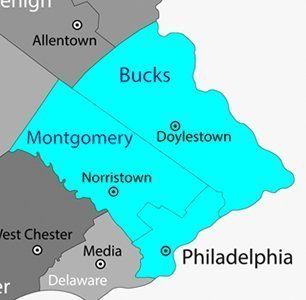
Serving Philadelphia and the surrounding areas.