Plumbing Access Panels: Why Good Access Can Save Time, Walls, and Money
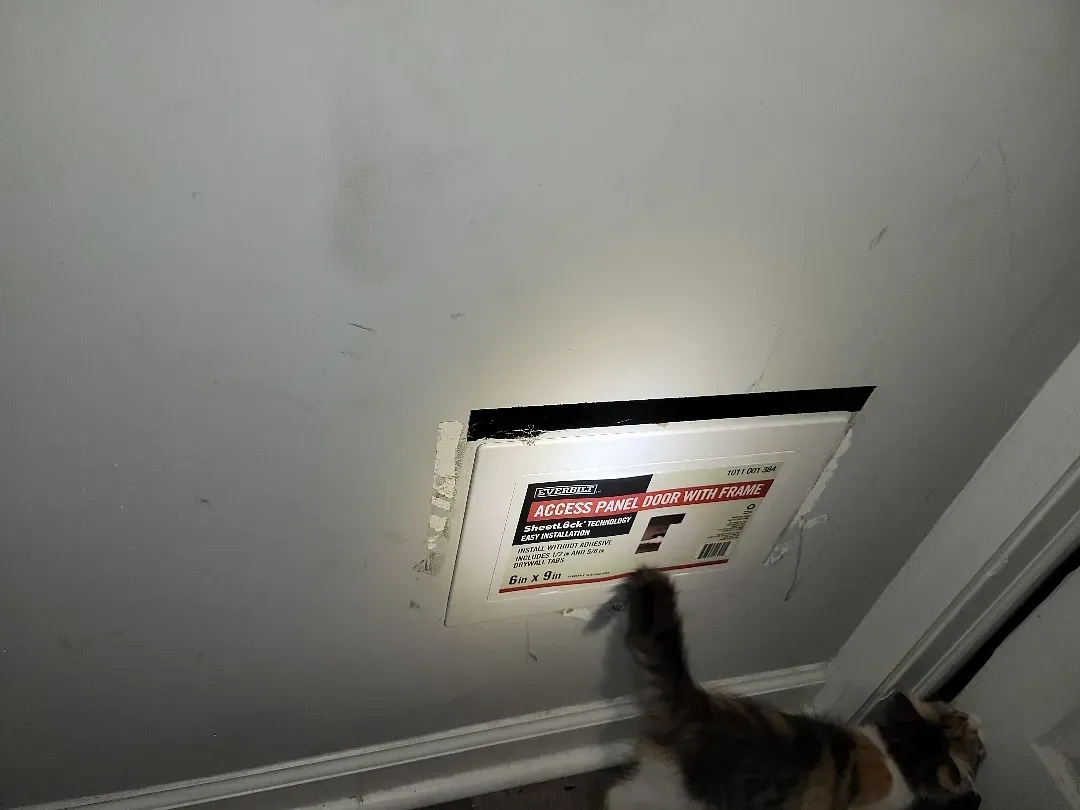
When planning a bathroom renovation, finished basement, laundry room, or other home improvement project, most homeowners are focused on what the finished space will look like.
New tile. Fresh drywall. Updated fixtures. Clean walls.
But there is one detail that is easy to overlook until something needs to be repaired:
How will you access the plumbing after everything is closed up?
A properly placed plumbing access panel may not be the most exciting part of a renovation, but it can make a major difference when plumbing needs to be inspected, maintained, repaired, or replaced in the future.
At Aqua Plumbing & Heating, LLC., we encourage homeowners and contractors to think about future plumbing access before walls, ceilings, tile, cabinetry, and other finishes are completed.
What Is a Plumbing Access Panel?
A plumbing access panel is a removable or hinged panel installed in a wall, ceiling, cabinet, or other finished surface. It provides access to plumbing or mechanical components that would otherwise be concealed.
Instead of cutting open drywall or potentially disturbing more expensive finished materials, a plumber can remove or open the panel to reach the component behind it.
Depending on the home and plumbing system, access panels may provide access to:
- Tub and shower valves
- Concealed shutoff valves
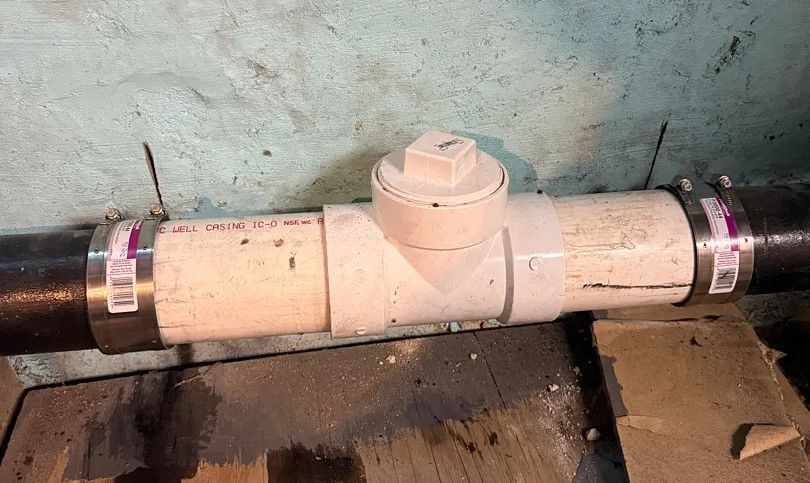
- Drain cleanouts
- Pumps
- Plumbing connections
- Water distribution components
- Mechanical equipment and serviceable components
Modern access panels are also available in different sizes, materials and finishes, including flush-mounted and paintable options that can blend into the surrounding wall much better than many homeowners expected.
Why Concealed Valve Access Matters
There is a big difference between concealing plumbing and making plumbing inaccessible.
We understand why homeowners don't want pipes, valves, and mechanical components visible throughout a newly renovated room. But hiding something behind a finished wall without considering how it will eventually be serviced can create a much larger project later.
Imagine having a concealed valve that needs replacement.
With appropriate concealed valve access, the plumber may be able to open a panel, perform the necessary work, and close the panel when finished.
Without access, the first step may be determining where to cut the wall just to reach the valve.
Now a plumbing repair may also involve drywall repair, painting, tile work, cabinetry work or another trade simply because the component couldn't be reached.
That's why access should be part of the renovation plan, not an afterthought.
Tubs and Showers Are a Big One
Bathroom renovations are one of the most important times to discuss plumbing access.
A beautiful new tub or tiled shower can last for years, but the plumbing components serving it may eventually require service.
Depending on the installation and layout, providing access from an adjacent closet, hallway, bedroom, vanity area, or another practical location can make future work considerably easier.
For example, access behind a tub or shower may allow a plumber to reach certain valves, connections, or other serviceable components without disturbing the finished bathroom surface. Tub and shower areas are among the common applications for plumbing access panels.
Before closing the walls during a bathroom renovation, ask one simple question: If this needs service five years from now, how are we getting to it?
That question can save a lot of frustration later.
Don't Bury Your Drain Cleanouts
Drain cleanouts exist to provide access to the drainage system.
That access isn't very useful if a renovation leaves the cleanout buried behind permanent drywall, cabinetry, built-ins, or another finished surface that prevents it from being reached.
If a drain eventually backs up, an accessible cleanout may give the plumber a practical point from which to inspect or service the line.
When finishing a basement or remodeling an area containing existing plumbing, identify cleanout locations before the walls are closed and determine how necessary access will be maintained. Plumbing access panels are commonly used for exactly this purpose.
Pumps and Mechanical Components Need Room for Service Too
Access doesn't only mean being able to see a component.
A technician needs enough usable space to actually work on it.
Pumps, valves, controls, and other mechanical components may require inspection, adjustment, maintenance, repair or eventual replacement. A tiny opening lets someone see the equipment but doesn't provide enough room to reach or remove it isn't necessarily useful access.
When designing finished utility spaces, mechanical rooms, or basement renovations, consider:
Can the component be reached? Can tools be used around it? Can it be disconnected? And, eventually, can it be removed or replaced.
Good planning considers the entire service process, not simply whether the equipment can be hidden from view.
Renovating? Plan the access before the drywall goes up.
This is where a little planning can potentially save the most money.
During an active renovation, the plumbing is often already exposed. That gives the plumber, homeowner, and contractor an opportunity to identify components that may need future access and determine where that access should be located.
Once drywall, tile, and cabinetry are installed, the options become much more limited and adding access afterward usually means cutting into a newly finished space. Planning access-panel locations before the walls are finished can avoid unnecessary demolition later.
Before closing walls, consider the location of:
- Shower and tub plumbing
- Concealed shutoff valves
- Drain and sewer cleanouts
- Pumps and related controls
- Water connections
- Mechanical equipment
- Components that may require adjustment or replacement
It's also important to coordinate plumbing access with the rest of the renovation. An access panel doesn't help much if a vanity, built-in cabinet, appliance, shelving system, or other permanent feature is installed directly in front of it.
Does an Access Panel Have to Be Ugly?
No.
One reason homeowners sometimes resist access panels is because they picture a large, obvious plastic door in the middle of their newly renovated bathroom.
That's not the only option.
Depending on the application and surrounding materials, there are flush-mounted, paintable, and other low-profile access solutions that can be incorporated into the finished design.
And whenever possible, access can sometimes be located on the less visible side of the wall -- such as inside a closet or utility area, while still providing practical access to the plumbing.
The goal isn't to put access panels everywhere.
It's to strategically maintain access to the components that may need it.
A Small Detail That Can Prevent a Much Bigger Project
Most homeowners hope they'll never need to open a plumbing access panel.
That's kind of the point.
It may sit untouched for years. But the day a valve needs replacement, a cleanout needs to be reached, or a concealed component needs inspection, that simple panel can be the difference between opening a door and opening a wall.
When you're renovating, don't just think about how the plumbing will look when the project is finished.
Think about how someone will reach it when it eventually needs service.
A little planning today can help protect your walls, finishes, time, and budget tomorrow.
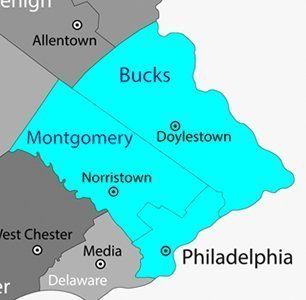
Planning a Renovation in the Philadelphia or Surrounding Areas?
If your renovation involves relocating plumbing, installing new fixtures, modifying drainage or water piping, or determining where plumbing access should be maintained, Aqua Plumbing & Heating, LLC., can help you plan the plumbing with future serviceability in mind.
📞 (267)600-8159
🌐 Aqua Plumbing & Heating Expert Services in Philadelphia