A Comprehensive Guide to Bleeding Your Hot Water Radiators
Aqua Plumbing & Heating, LLC. • January 3, 2024
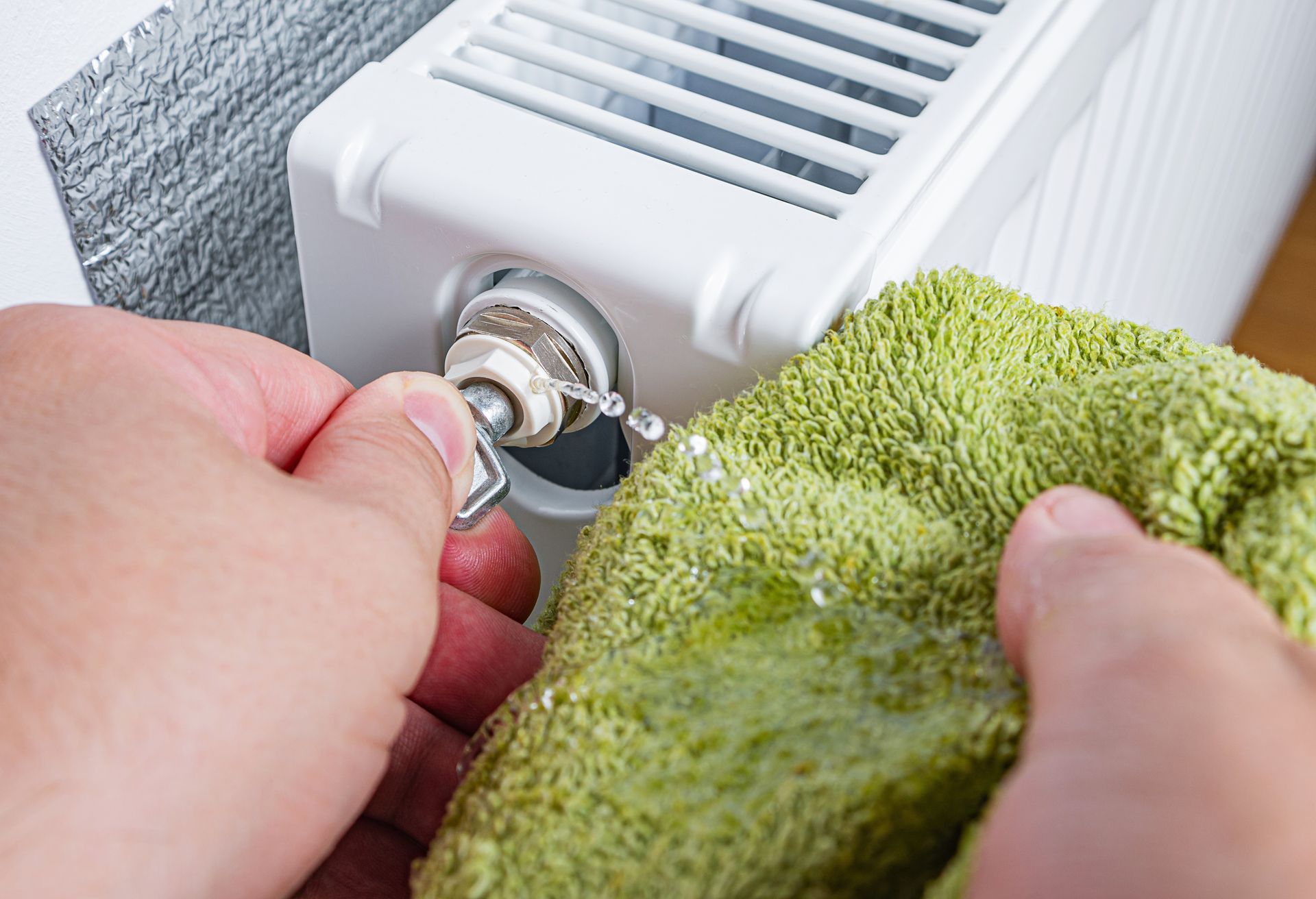
Hot water radiators are a reliable source of warmth during chilly seasons, but over time, they can accumulate trapped air, hindering their efficiency. If you notice uneven heating or cold spots on your radiators, bleeding them is a simple yet crucial maintenance task. Bleeding helps release trapped air, allowing hot water to circulate freely and ensuring optimal performance to keep your home cozy and warm. Here’s a step-by-step guide on how to bleed your hot water radiators:
Understanding the Process:
Bleeding a radiator is the process of removing trapped air that has gathered within the system. Air naturally enters the radiators over time and rises to the top, forming air pockets that obstruct the flow of hot water. Bleeding eliminates this trapped air, enabling the radiator to distribute heat evenly.
Tools You'll Need:
Before you begin, gather the following tools:
• Radiator key or a flat-headed screwdriver (depending on your radiator's valve type)
• A cloth or towel
• A container to catch any water
Step-by-Step Guide:
1. Turn off the Heating System: Switch off your heating system and allow the radiators time to cool down. This step is crucial for safety and prevents potential hot water spills during the bleeding process.
2. Locate the Bleed Valve: Identify the bleed valve on each radiator. It’s typically found at the top, usually near one end, and appears as a small square-shaped nut or a round knob.
3. Preparation: Place a cloth or towel under the radiator’s bleed valve to catch any water spills. Have your container ready to collect any water.
4. Bleeding the Radiator: Insert the radiator key or screwdriver into the valve and gently turn it counterclockwise. You may hear a hissing sound as trapped air escapes. Continue turning until water flows steadily without air bubbles.
5. Secure the Valve: Once water flows consistently, carefully tighten the valve by turning it clockwise. Ensure it's securely closed to prevent leaks.
6. Check Other Radiators: Repeat the bleeding process for any other radiators in your home showing similar issues.
7. Restart the Heating System: Once all radiators are bled, turn your heating system back on and confirm that they heat evenly and efficiently.
Additional Tips for Maintenance:
Bleed your radiators annually or when you notice cold spots to maintain optimal efficiency. Regular bleeding enhances your heating system's efficiency, potentially reducing energy consumption.
Safety Precautions:
• Always turn off the heating system before attempting to bleed radiators.
• Use caution when handling hot radiators and water.
By following these steps, you can ensure that your hot water radiators function at their best, providing a consistently warm and comfortable home throughout the winter months.
Remember, if you're uncertain or uncomfortable with the process, contacting the pros at Aqua Plumbing & Heating, LLC., is advisable.
Stay warm and cozy!
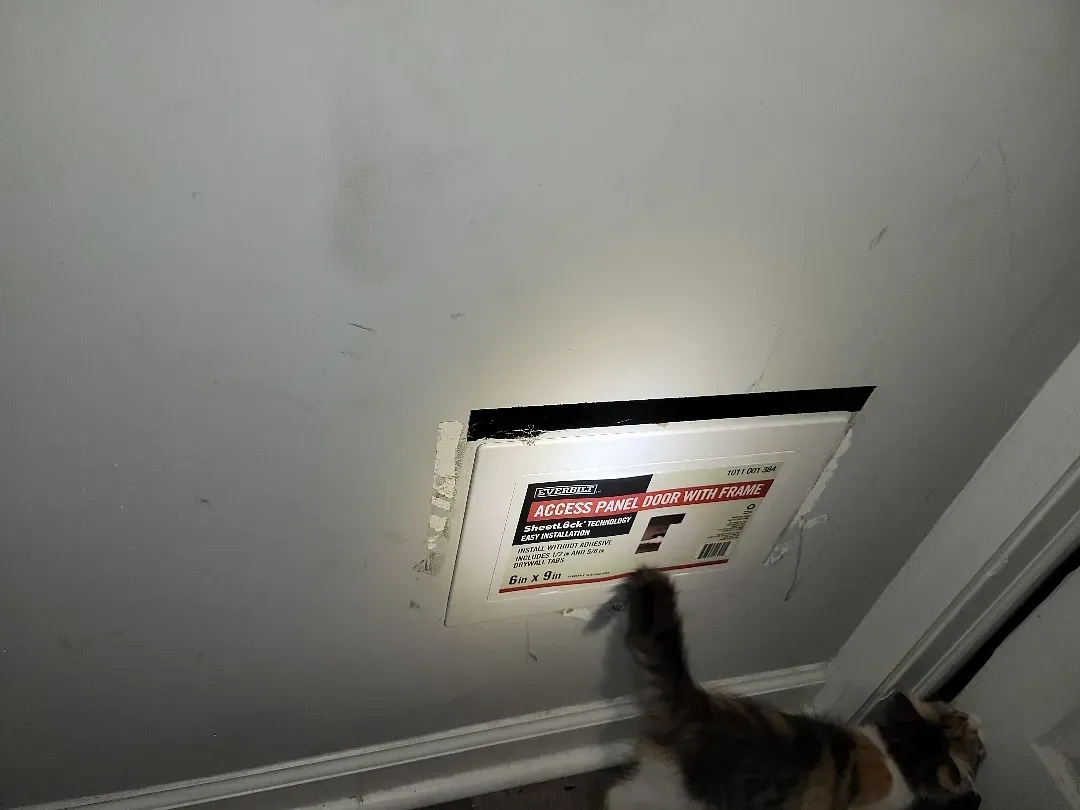
Learn why a plumbing access panel matters during renovations and how proper access to concealed valves, showers, rubs, cleanouts and pumps can prevent unnecessary wall damage and repair costs.
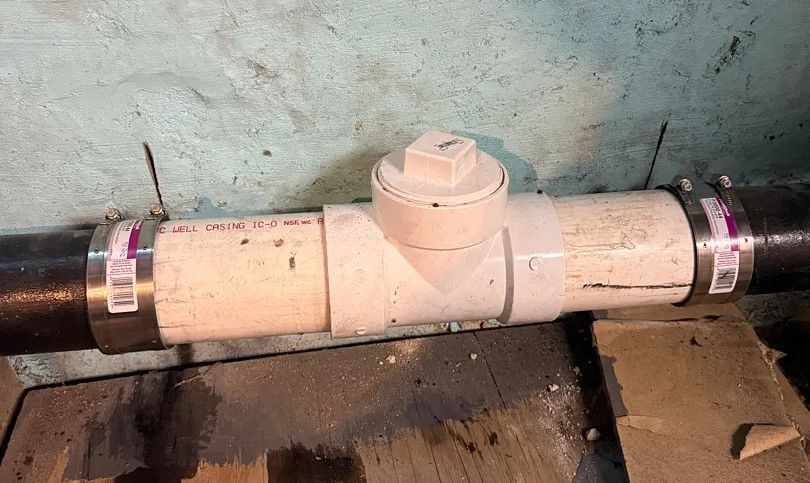
Learn why plumbing cleanouts matter, where to find them, and how they help plumbers clear drain and sewer clogs faster in Philadelphia homes.
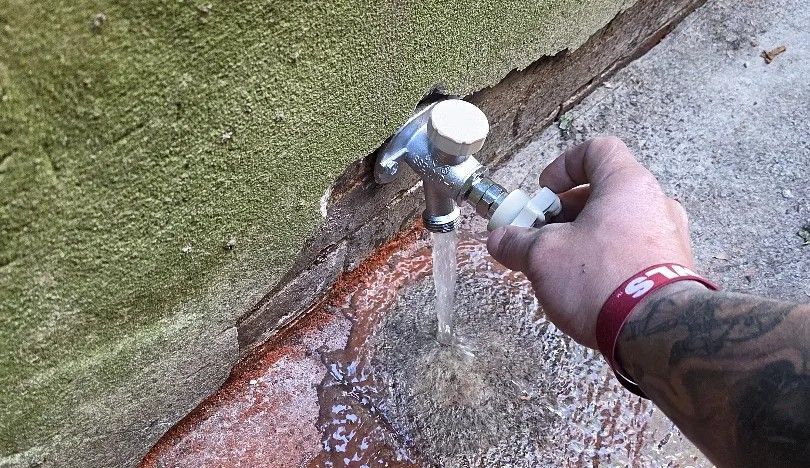
Learn why your outdoor spigot keeps dripping, common hose bib problems, signs of freeze damage, and when repair or replacement may be the best option.
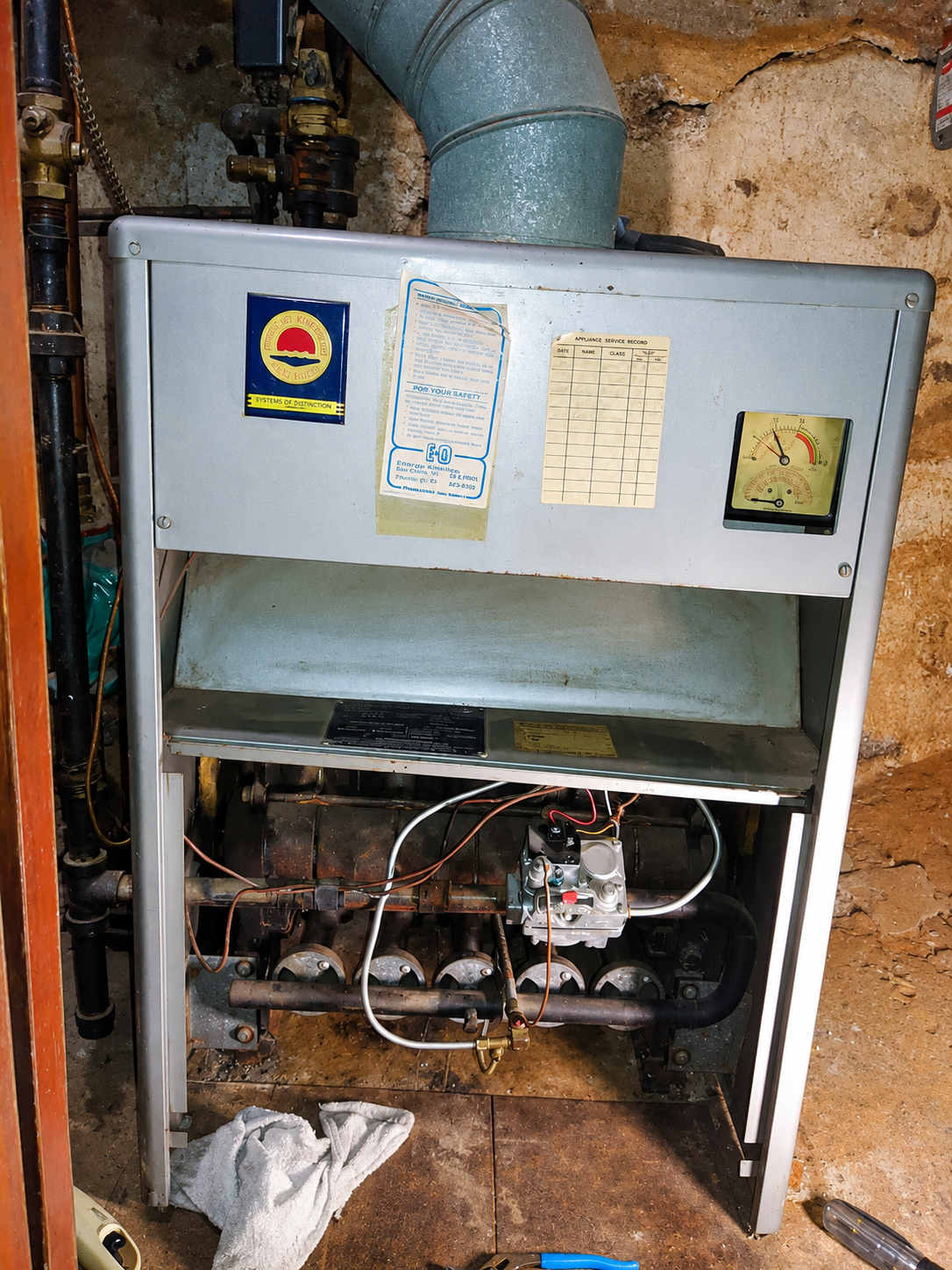
Prepare your Philadelphia home for heating season with this boiler startup checklist covering leaks, pressure, radiators, thermostats and annual service.
Every homeowner should know where their main water shutoff valve is. Learn how to located, identify, label, and safely test it before a plumbing emergency.
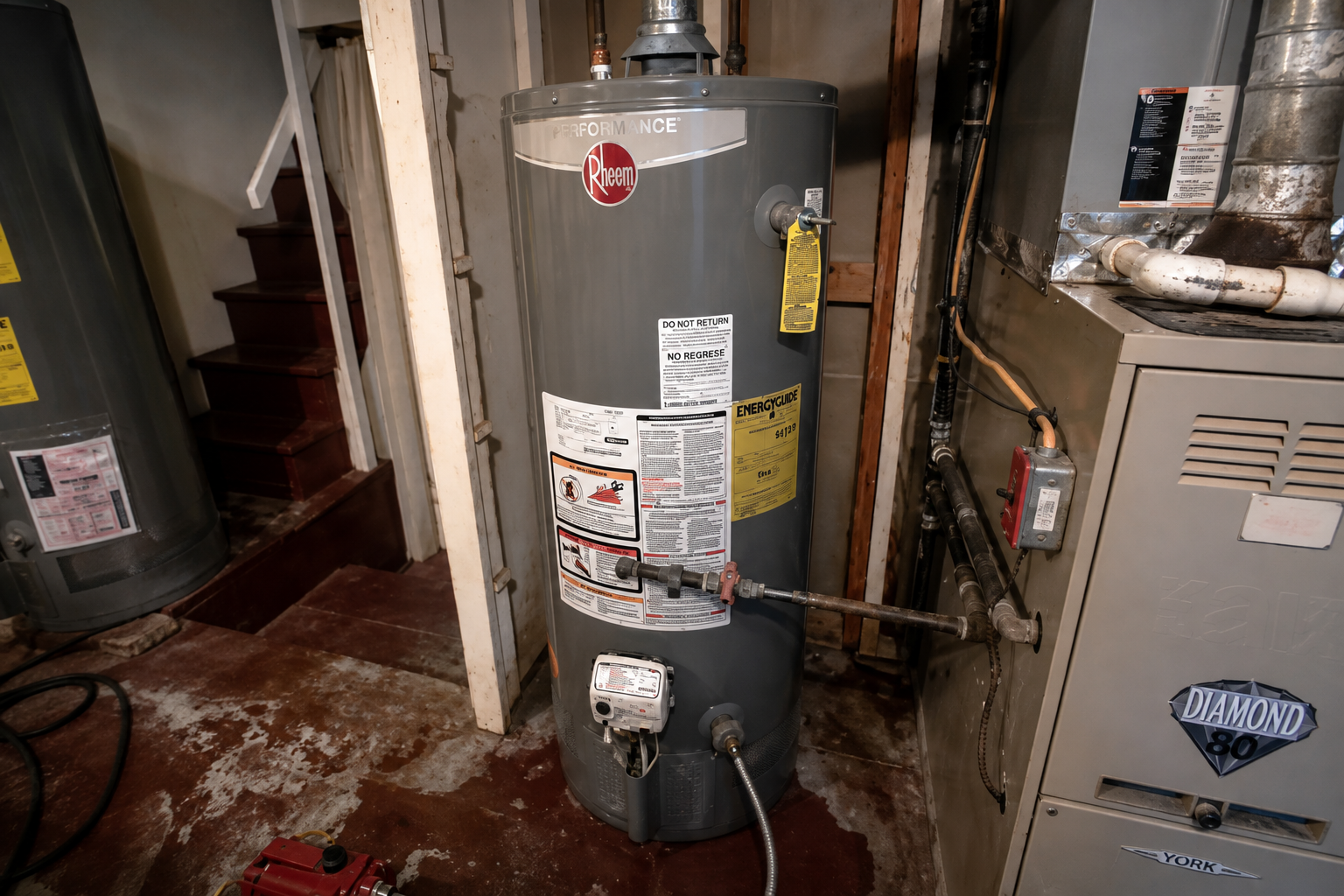
Learn the common reasons water heaters fail, warning signs to watch for, and when to consider repair or replacement. Water heater service in Philadelphia.
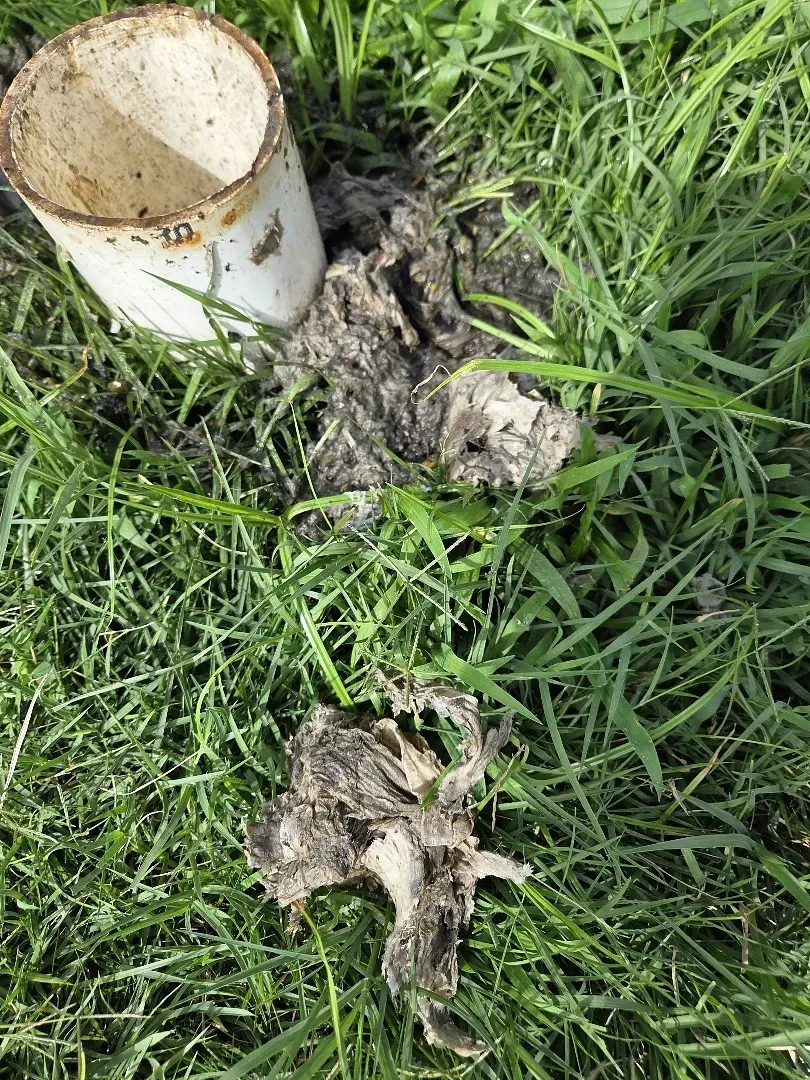
Learn 8 things you should never flush down the toilet and how they can cause clogged drains, sewer backups, and costly plumbing problems.
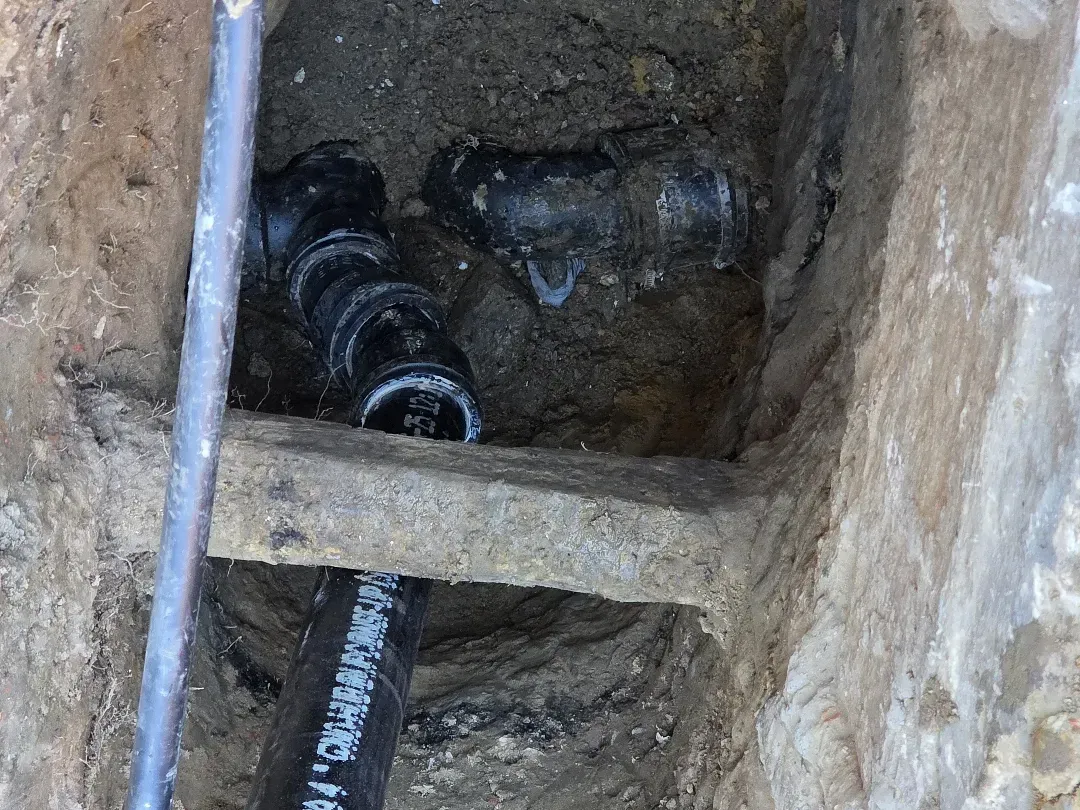
Learn why older cast iron sewer lines fail, the warning signs of deterioration, and when replacement may be the best long-term solution. Aqua Plumbing & Heating, LLC.
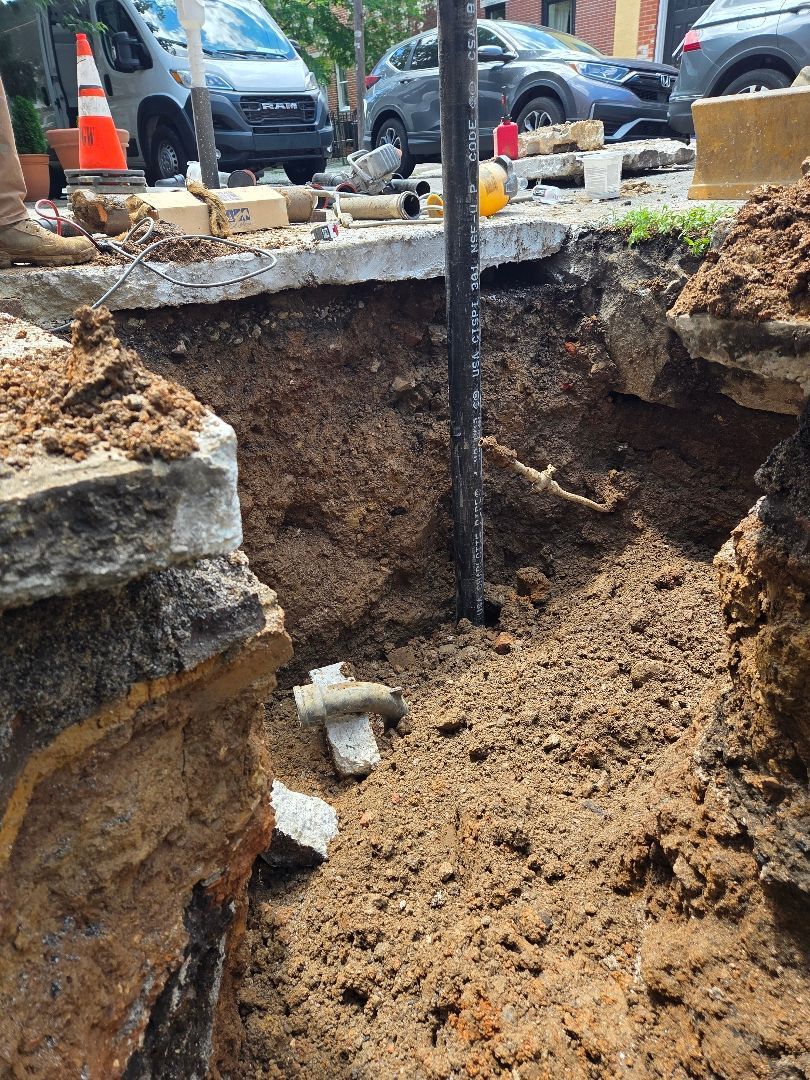
Learn the top three warning signs that your main sewer line may need replacement, including recurring backups, tree root intrusion, and multiple drain clogs. Plus, save $50 on sewer replacements through August 22, 2026.
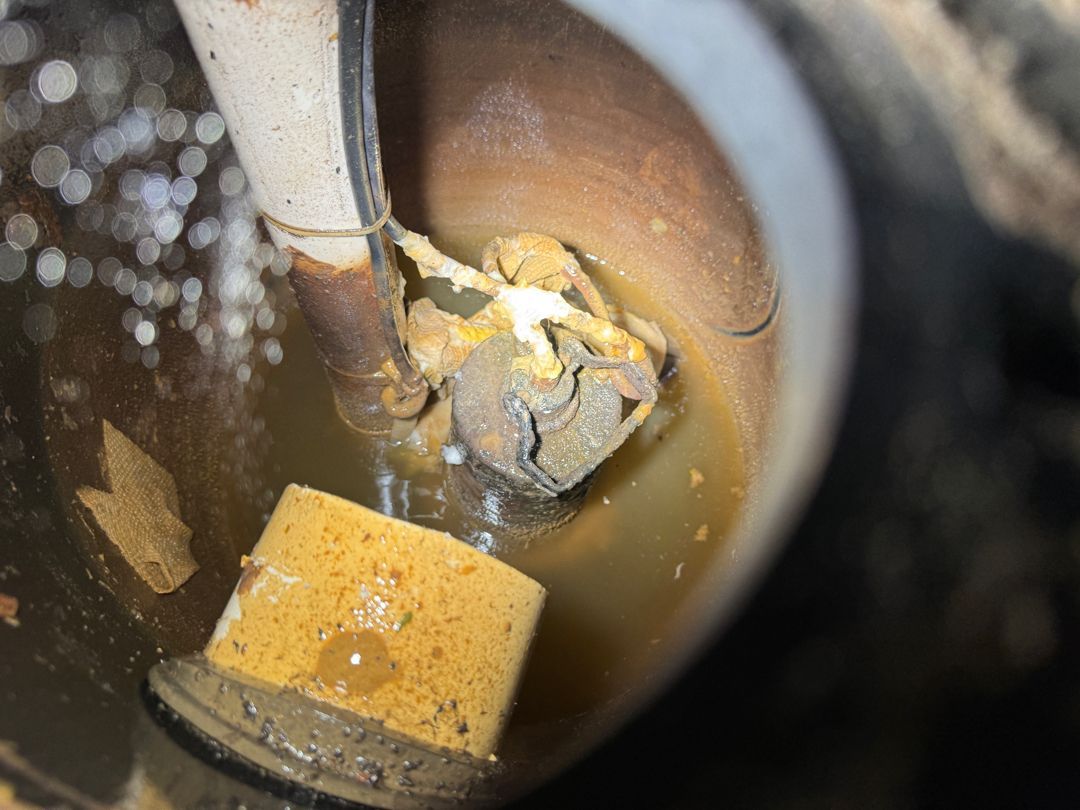
Wondering why your basement smells like sewer? Learn the most common causes, including failed wax seals, dry floor drains, vent problems, and sewer line issues, and when to call a plumber.