Are Flushable Wipes Really Safe?
Aqua Plumbing & Heating, LLC. • January 24, 2024
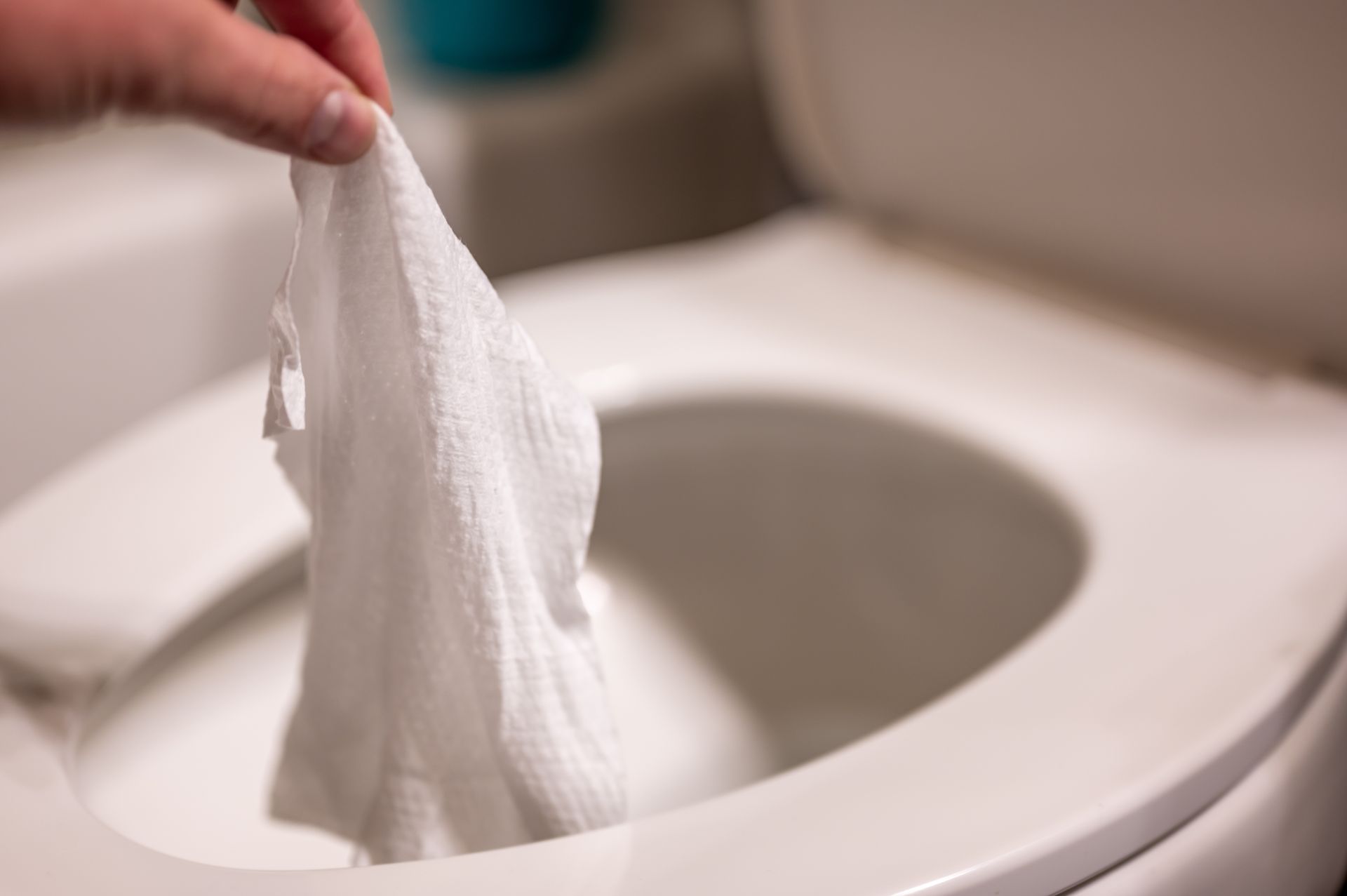
In recent years, flushable wipes have gained popularity as a convenient alternative to traditional toilet paper. However, the safety of flushable wipes for both plumbing systems and the environment has become a subject of extensive debate. Let's explore this topic further to uncover the reality behind the safety claims of flushable wipes.
Understanding Flushable Wipes:
Flushable wipes are pre-moistened wipes intended for personal hygiene, often marketed as safe for disposal by flushing down the toilet. They're promoted as more effective for cleansing and gentler on the skin compared to dry toilet paper.
The Myth of Flushable Wipes:
Despite being labeled as "flushable," these wipes raise several safety concerns:
Plumbing Issues:
Flushable wipes do not disintegrate as quickly as toilet paper, leading to potential accumulation and causing clogs or blockages in household pipes. These issues can extend to municipal sewer systems, resulting in costly repairs and disruptions.
Environmental Impact:
Unlike toilet paper, which readily dissolves upon contact with water, flushable wipes can persist longer in water systems. They contribute to blockages in sewer lines and pose environmental threats, causing harm to aquatic ecosystems.
What Makes Flushable Wipes Unsafe?
The safety risks associated with flushable wipes are rooted in their composition and breakdown process:
Material Composition:
Most flushable wipes are made from non-biodegradable materials like polyester or polypropylene. Unlike toilet paper designed for rapid breakdown in water, these materials do not disintegrate easily, leading to plumbing complications.
Misleading Labeling:
The term "flushable" can be deceptive. While these wipes can be flushed, their slower breakdown can cause significant problems in plumbing systems, unlike toilet paper engineered for swift disintegration.
Risks and Alternatives:
Using flushable wipes can pose the following risks:
• Plumbing Blockages: Accumulation of wipes in pipes can result in expensive plumbing repairs and inconvenience.
• Environmental Concerns: Non-biodegradable wipes contribute to sewage system blockages and adversely affect aquatic environments.
Safe Disposal and Alternatives:
To mitigate plumbing issues and reduce environmental impact, consider these actions:
• Proper Disposal: Instead of flushing, dispose of wipes in the trash to prevent plumbing and sewer complications.
• Eco-Friendly Alternatives: Explore biodegradable wipes, specifically designed for safe disposal and minimal environmental impact.
Despite being marketed as "flushable," flushable wipes might not be as safe for plumbing or the environment as claimed. Their non-biodegradable composition can lead to clogs and environmental harm. To avert plumbing problems and environmental impact, refraining from flushing wipes and opting for eco-friendly alternatives or toilet paper designed for swift breakdown upon flushing is advisable.
Choosing environmentally conscious options ensures both plumbing safety and ecological responsibility.
Learn why a plumbing access panel matters during renovations and how proper access to concealed valves, showers, rubs, cleanouts and pumps can prevent unnecessary wall damage and repair costs.
Learn why plumbing cleanouts matter, where to find them, and how they help plumbers clear drain and sewer clogs faster in Philadelphia homes.
Learn why your outdoor spigot keeps dripping, common hose bib problems, signs of freeze damage, and when repair or replacement may be the best option.
Prepare your Philadelphia home for heating season with this boiler startup checklist covering leaks, pressure, radiators, thermostats and annual service.
Every homeowner should know where their main water shutoff valve is. Learn how to located, identify, label, and safely test it before a plumbing emergency.
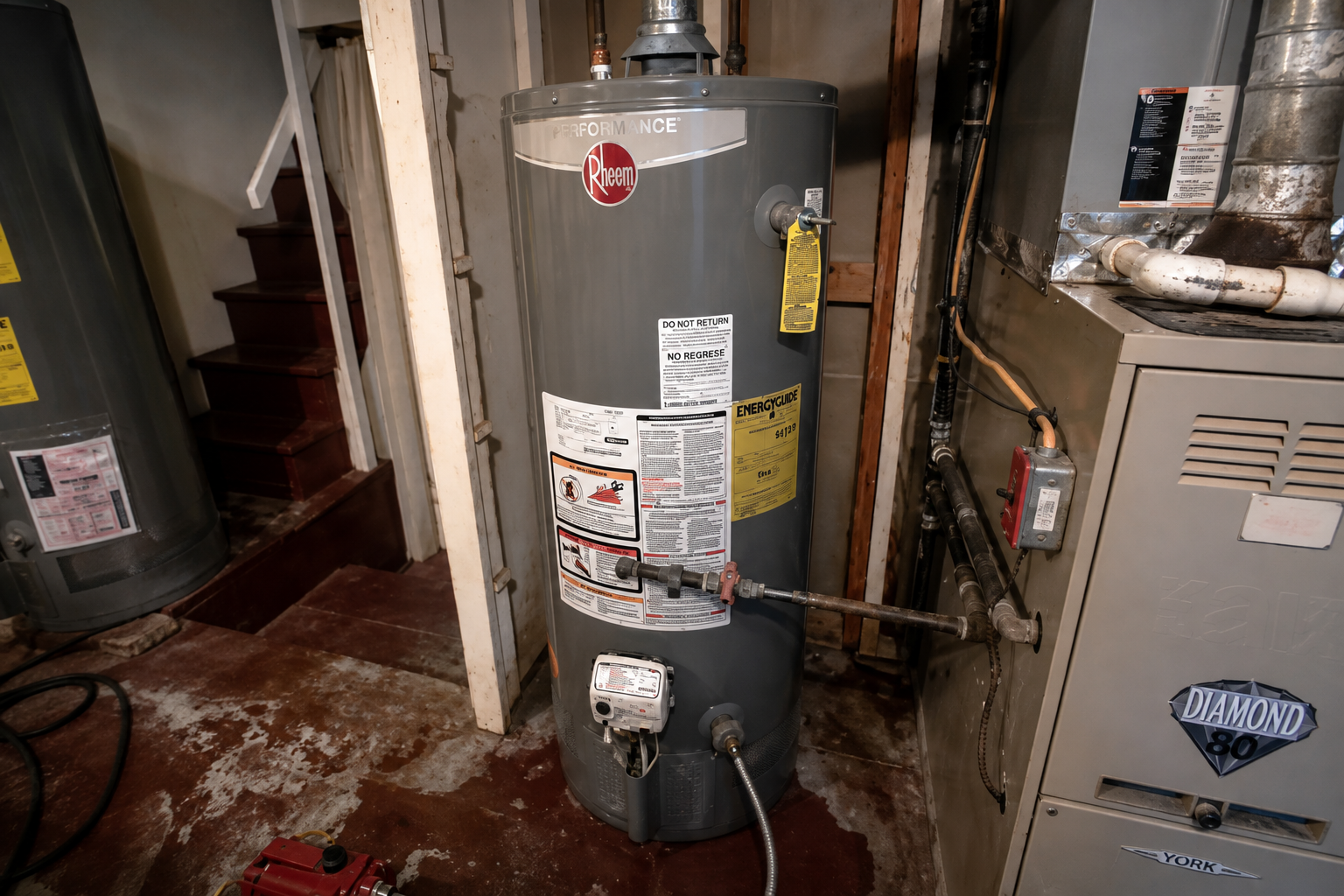
Learn the common reasons water heaters fail, warning signs to watch for, and when to consider repair or replacement. Water heater service in Philadelphia.
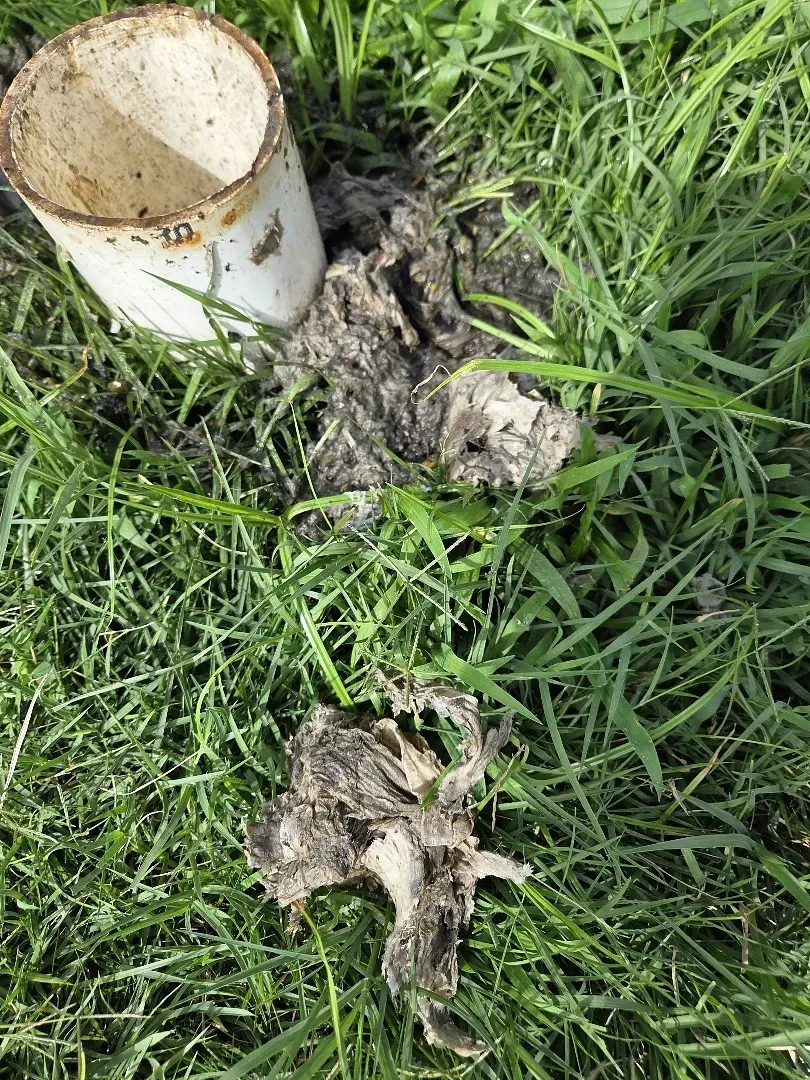
Learn 8 things you should never flush down the toilet and how they can cause clogged drains, sewer backups, and costly plumbing problems.
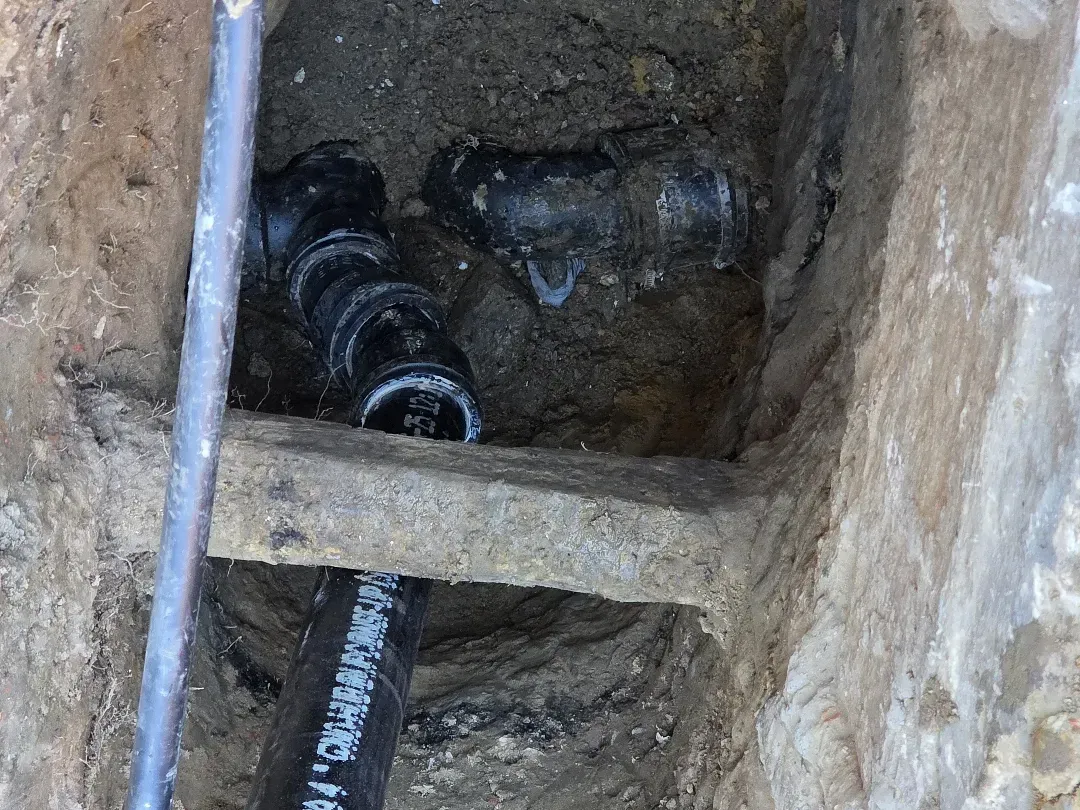
Learn why older cast iron sewer lines fail, the warning signs of deterioration, and when replacement may be the best long-term solution. Aqua Plumbing & Heating, LLC.
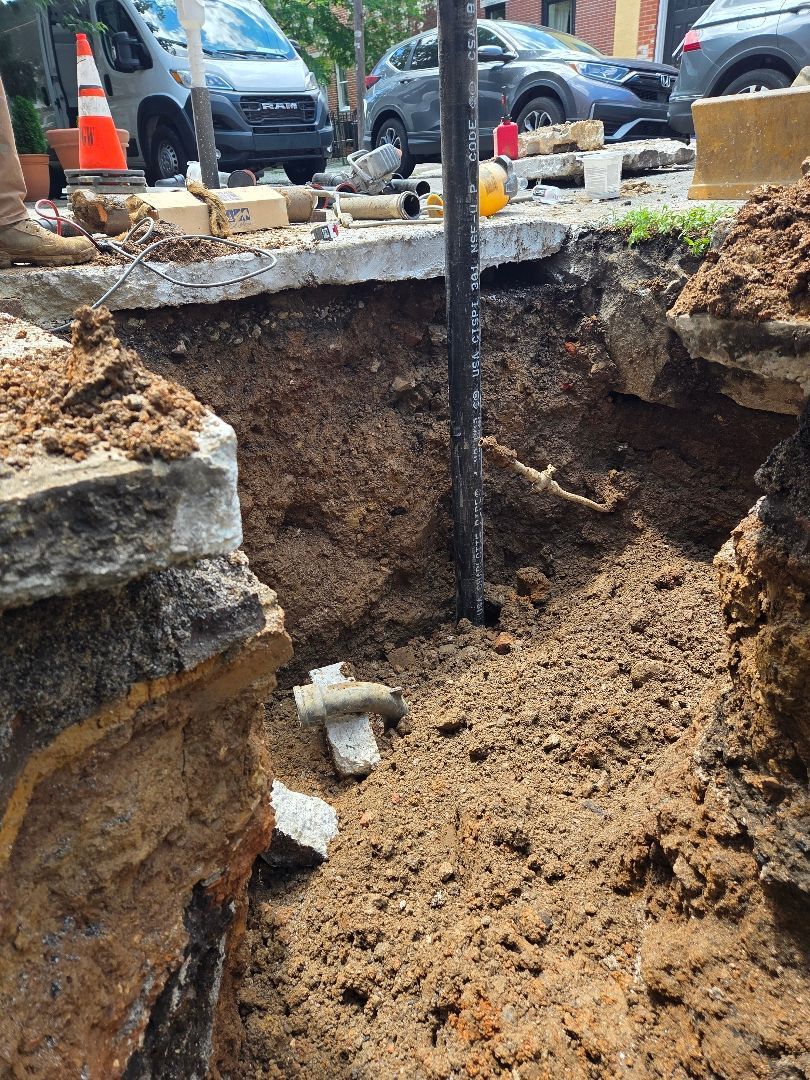
Learn the top three warning signs that your main sewer line may need replacement, including recurring backups, tree root intrusion, and multiple drain clogs. Plus, save $50 on sewer replacements through August 22, 2026.
Wondering why your basement smells like sewer? Learn the most common causes, including failed wax seals, dry floor drains, vent problems, and sewer line issues, and when to call a plumber.