Decoding the Causes of Cloudy Tap Water
Aqua Plumbing & Heating, LLC. • February 21, 2024
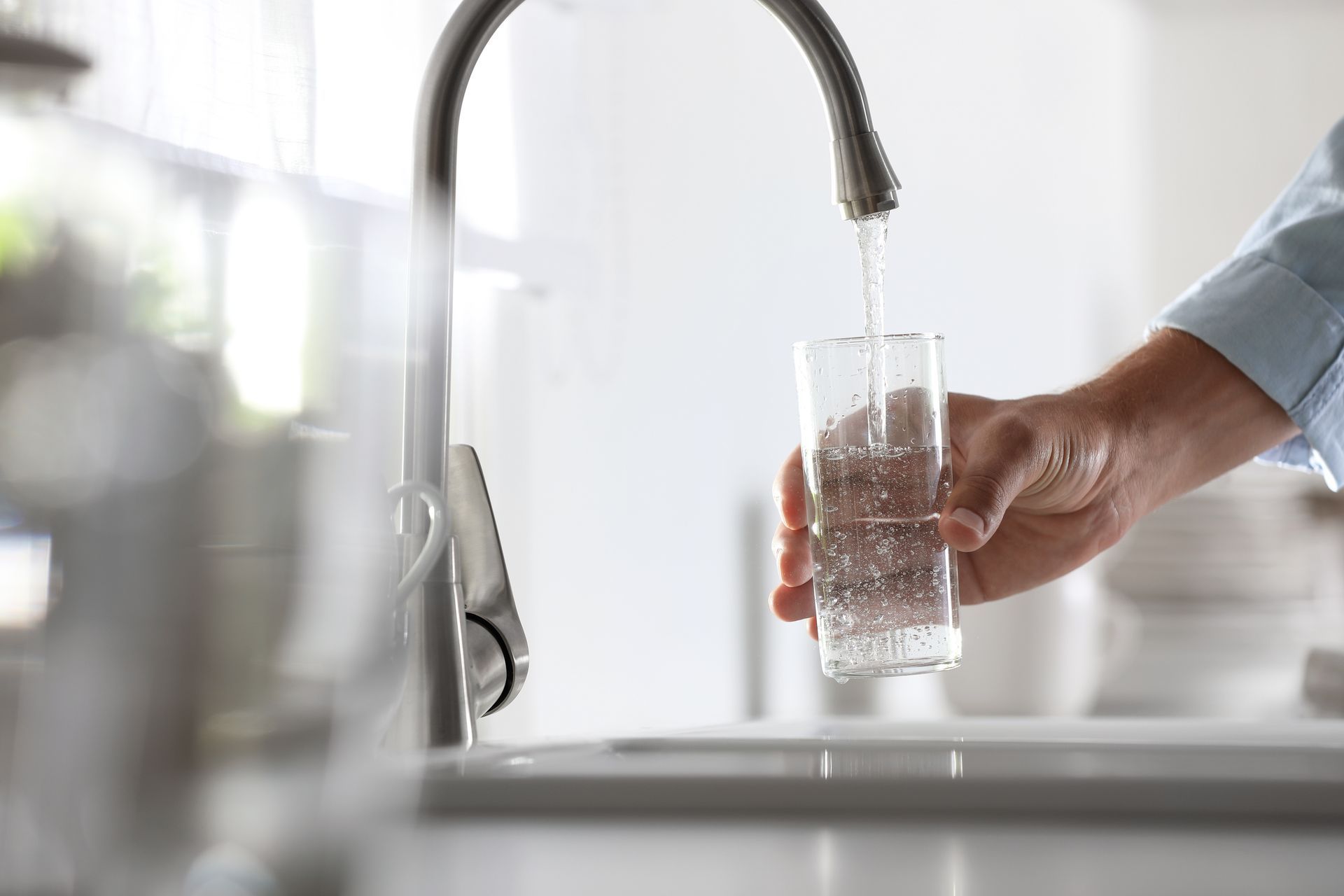
Ever experienced the puzzling moment when you turn on your tap and out comes cloudy water? It's a common occurrence that, while unsettling, has a range of explanations. In this blog, we'll uncover the potential reasons behind cloudy tap water, exploring whether it's a transient issue or something more substantial that warrants attention.
Deciphering the Cloudiness:
Cloudy tap water, often resembling a milky or white hue, can be linked to various factors. Here are some key contributors:
1. Air Bubbles: Tiny air bubbles can cause temporary cloudiness, especially in cold water. Dissolved gases are released as the water warms up, forming bubbles that create the cloudy appearance.
2. Mineral Content: High mineral content, notably calcium and magnesium, may lead to cloudiness. These minerals can precipitate out of the water, resulting in a hazy appearance, commonly referred to as "hard-water".
3. Temperature Fluctuations: Rapid changes in water temperature can release dissolved gases and minerals, contributing to temporary cloudiness. This phenomenon is more noticeable during colder months with fluctuating water temperatures.
4. Water Pressure: Elevated water pressure can introduce air into the water supply, causing transient cloudiness. This is typically observed during sudden pressure increases, such as during repairs or maintenance in the water supply system.
When To Raise An Eyebrow:
While cloudy tap water is often harmless and short-lived, there are instances where it might signal a more significant issue:
1. Microbial Contamination: Persistent cloudiness accompanied by an unpleasant odor could indicate microbial contamination. In such cases, prompt water testing for bacteria and contaminants is crucial.
2. Pipe Corrosion: Cloudy water with a metallic taste may point to pipe corrosion, releasing rust particles into the water. Addressing this situation promptly is essential to mitigate the potential health risks.
Taking Action:
1. Observe Changes: If the cloudiness is sudden and persistent, pay attention to changes in taste, smell, or color. These indicators can offer clues to the potential cause.
2. Run the Tap: Allowing the tap to run for a few minutes can sometimes clear temporary cloudiness caused by trapped air or mineral precipitation.
3. Contact Your Water Provider: If concerns persist, reach out to your local water provider. They can offer insights into water quality in your area and address any reported issues.
Cloudy tap water is a prevalent occurrence with diverse explanations, ranging from benign to potentially concerning. Understanding the causes and recognizing when to seek further investigation ensure your water remains safe and clear. When in doubt, consulting your local water authority or arranging quality testing with Aqua Plumbing & Heating, LLC., can provide you with a peace of mind and uphold continued safety of your drinking water.
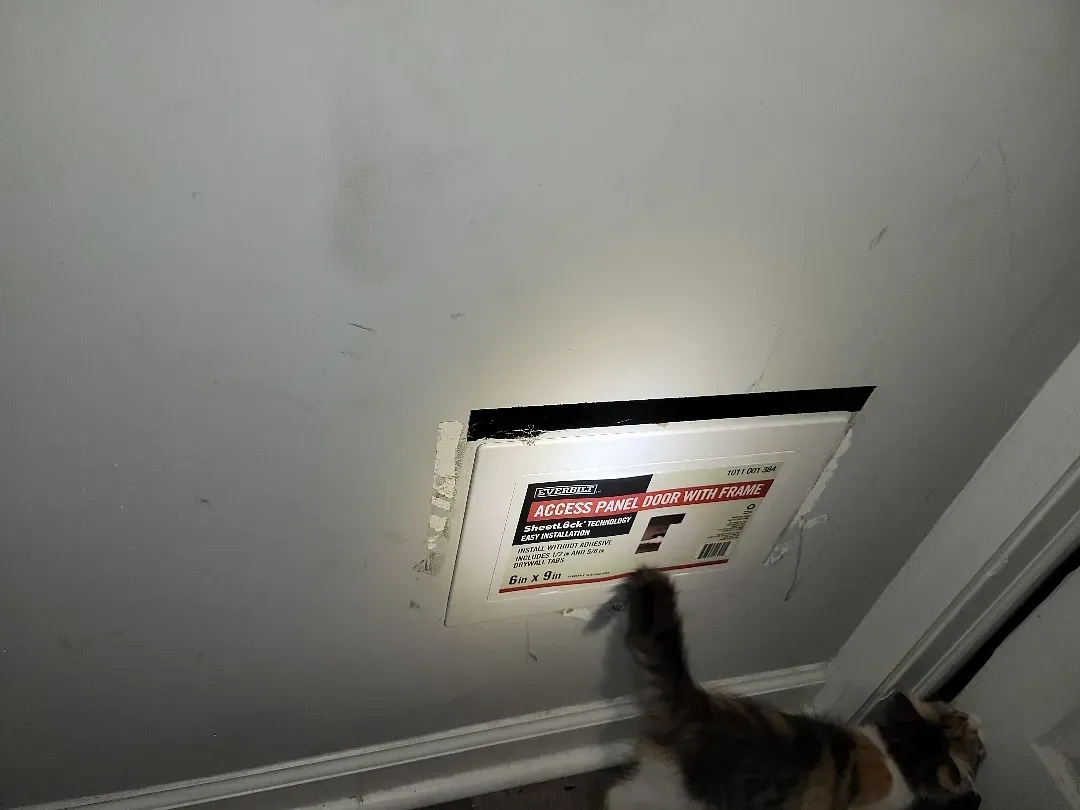
Learn why a plumbing access panel matters during renovations and how proper access to concealed valves, showers, rubs, cleanouts and pumps can prevent unnecessary wall damage and repair costs.
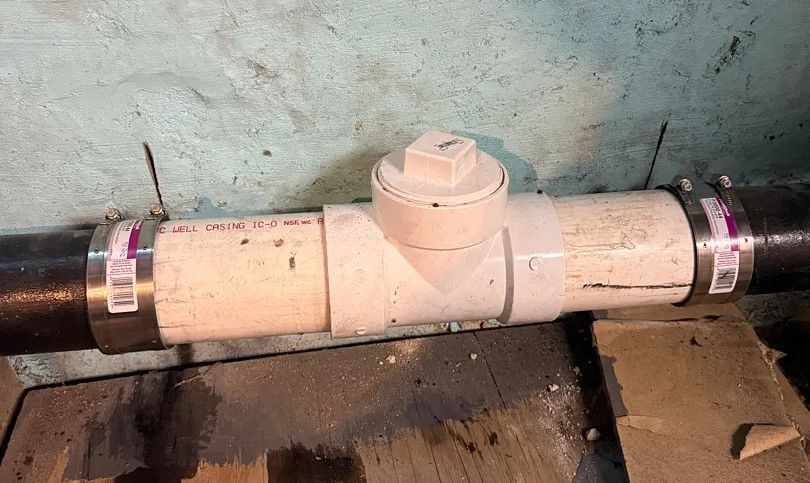
Learn why plumbing cleanouts matter, where to find them, and how they help plumbers clear drain and sewer clogs faster in Philadelphia homes.
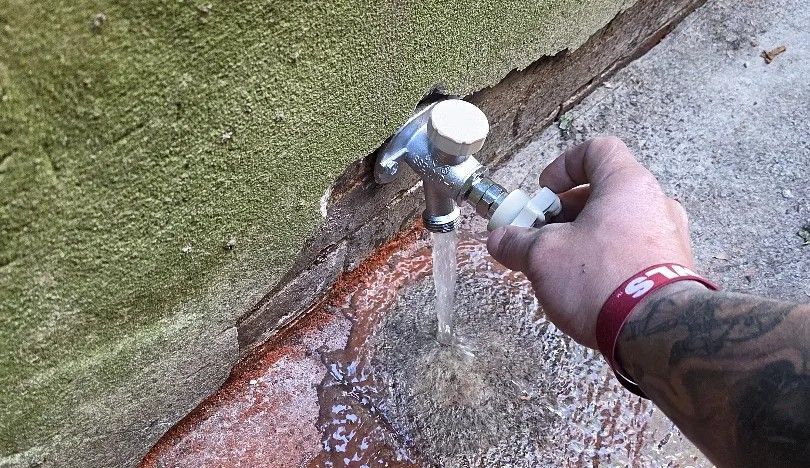
Learn why your outdoor spigot keeps dripping, common hose bib problems, signs of freeze damage, and when repair or replacement may be the best option.
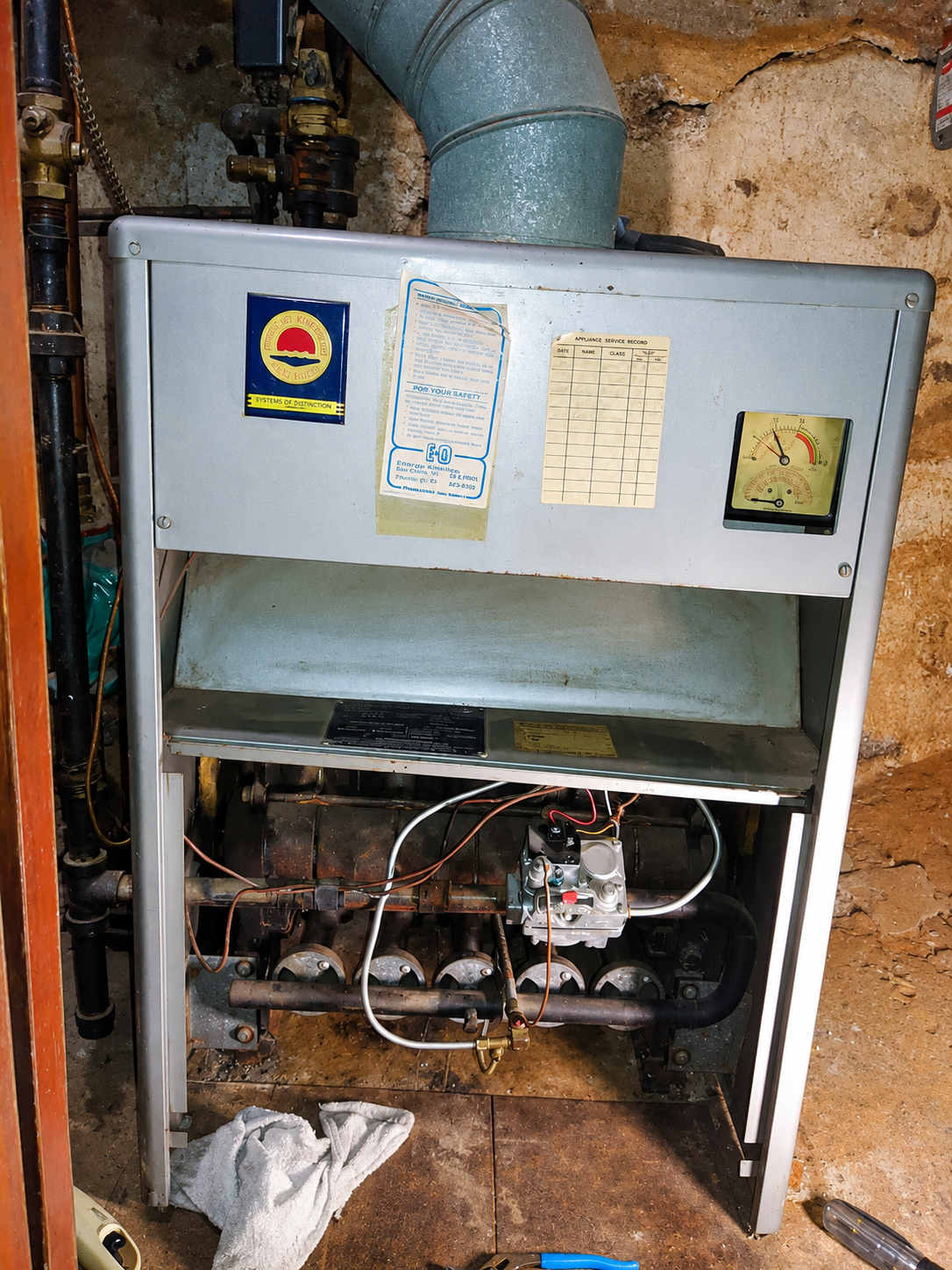
Prepare your Philadelphia home for heating season with this boiler startup checklist covering leaks, pressure, radiators, thermostats and annual service.
Every homeowner should know where their main water shutoff valve is. Learn how to located, identify, label, and safely test it before a plumbing emergency.
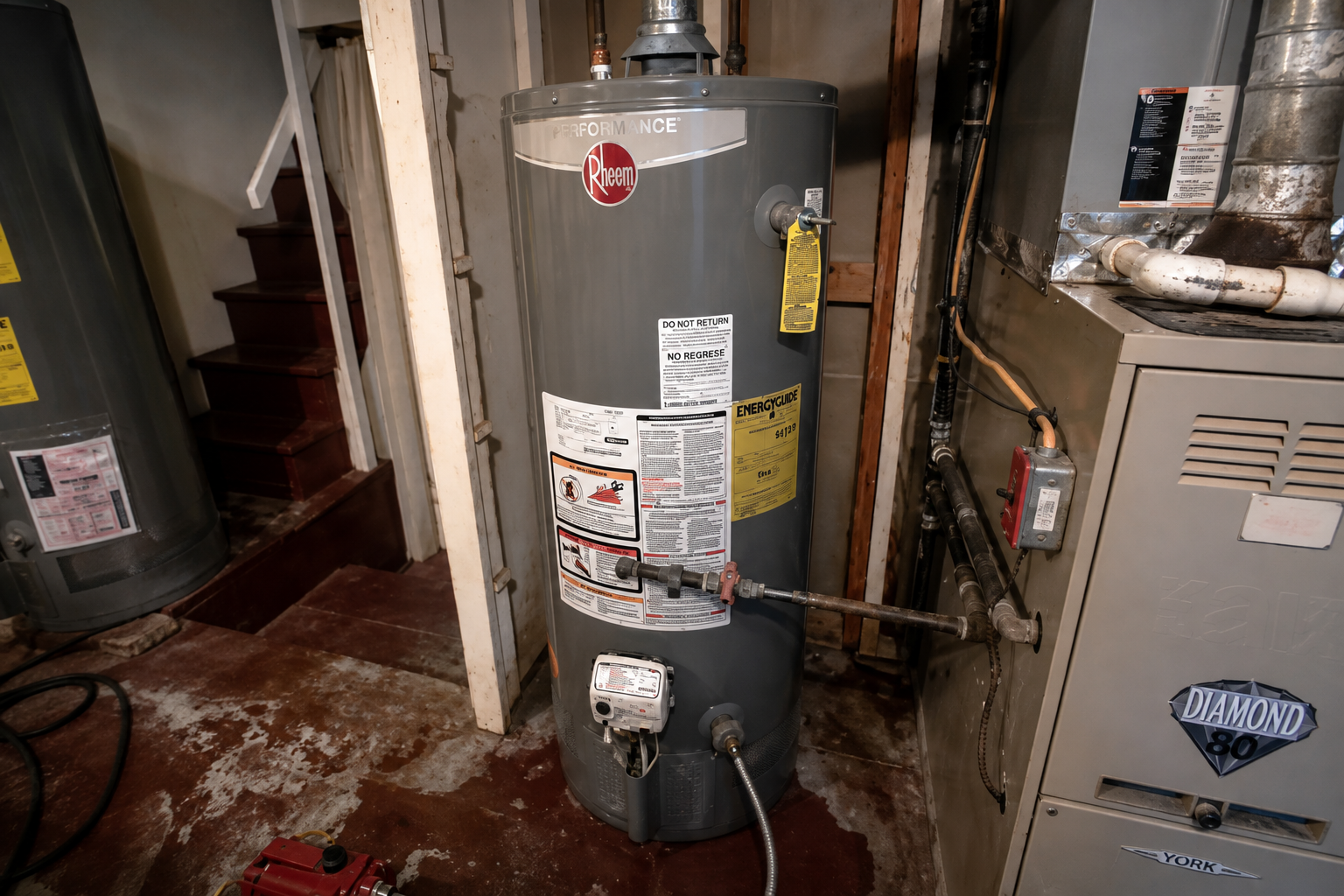
Learn the common reasons water heaters fail, warning signs to watch for, and when to consider repair or replacement. Water heater service in Philadelphia.
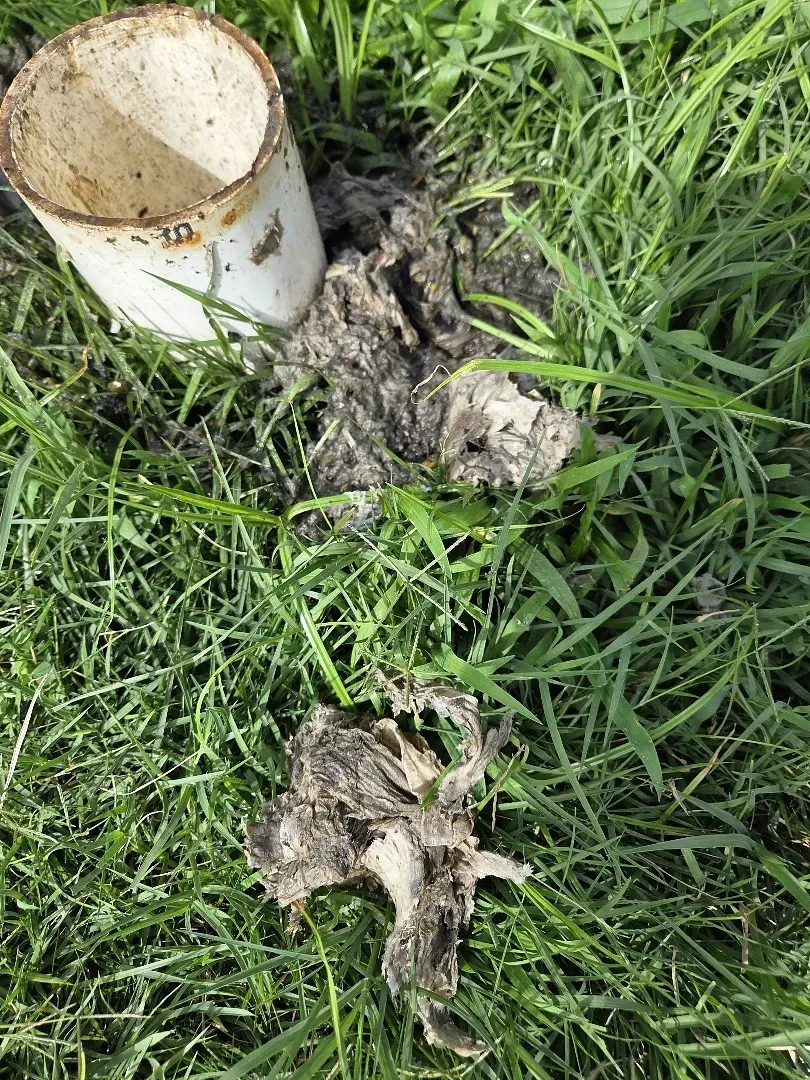
Learn 8 things you should never flush down the toilet and how they can cause clogged drains, sewer backups, and costly plumbing problems.
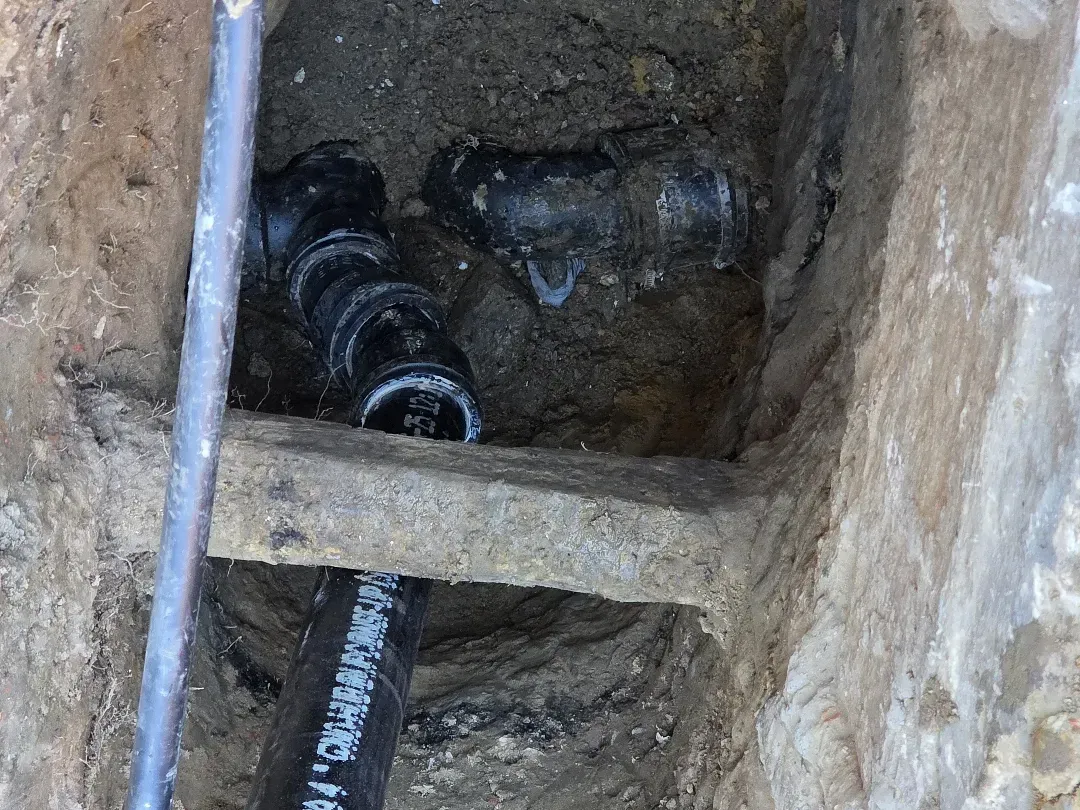
Learn why older cast iron sewer lines fail, the warning signs of deterioration, and when replacement may be the best long-term solution. Aqua Plumbing & Heating, LLC.
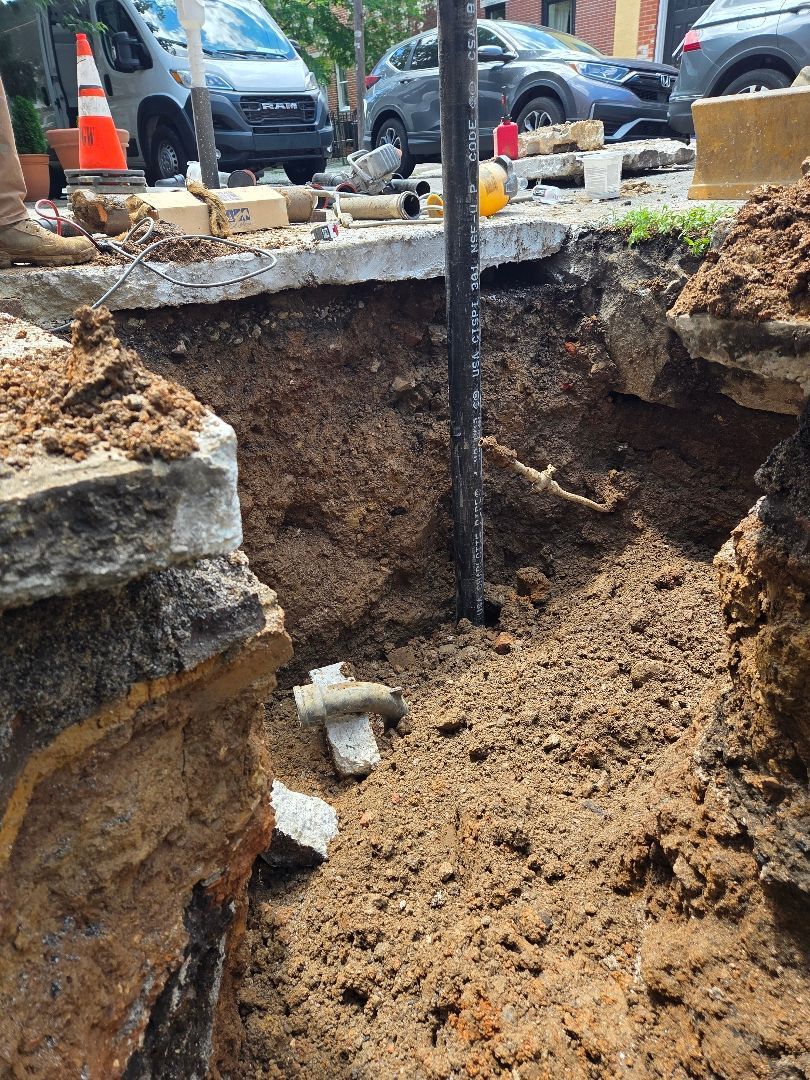
Learn the top three warning signs that your main sewer line may need replacement, including recurring backups, tree root intrusion, and multiple drain clogs. Plus, save $50 on sewer replacements through August 22, 2026.
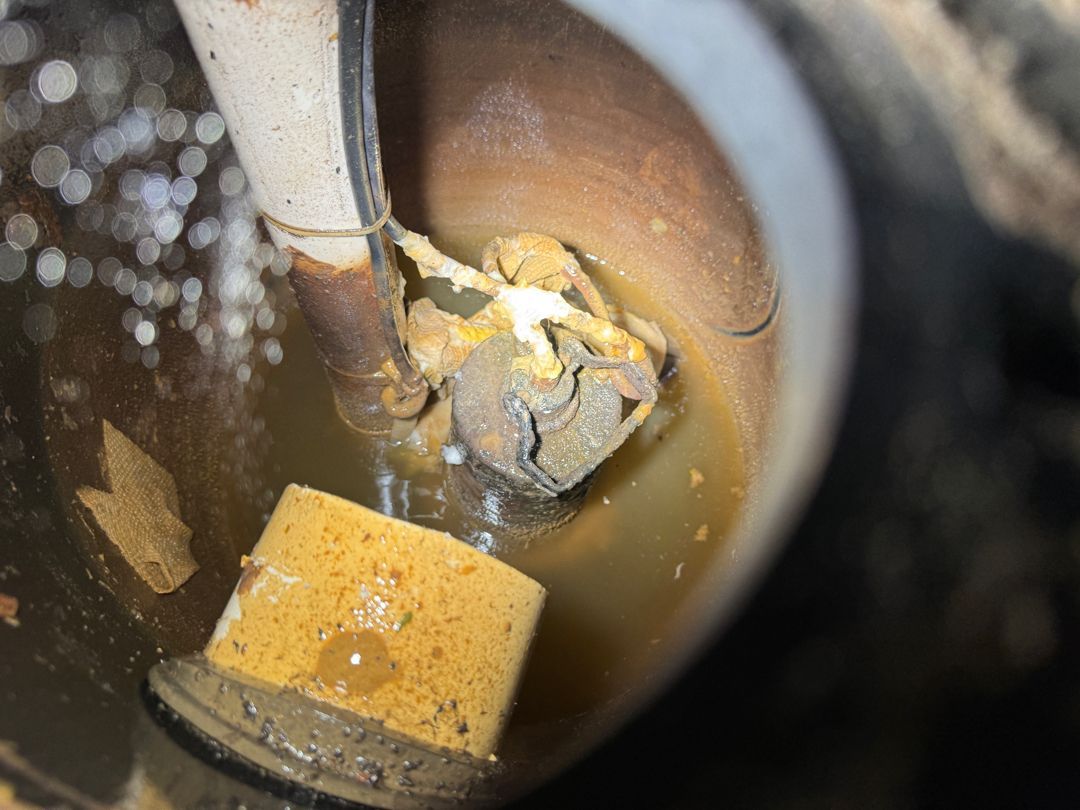
Wondering why your basement smells like sewer? Learn the most common causes, including failed wax seals, dry floor drains, vent problems, and sewer line issues, and when to call a plumber.