Is Epsom Salt Safe for Drains?
Aqua Plumbing & Heating, LLC. • February 7, 2024
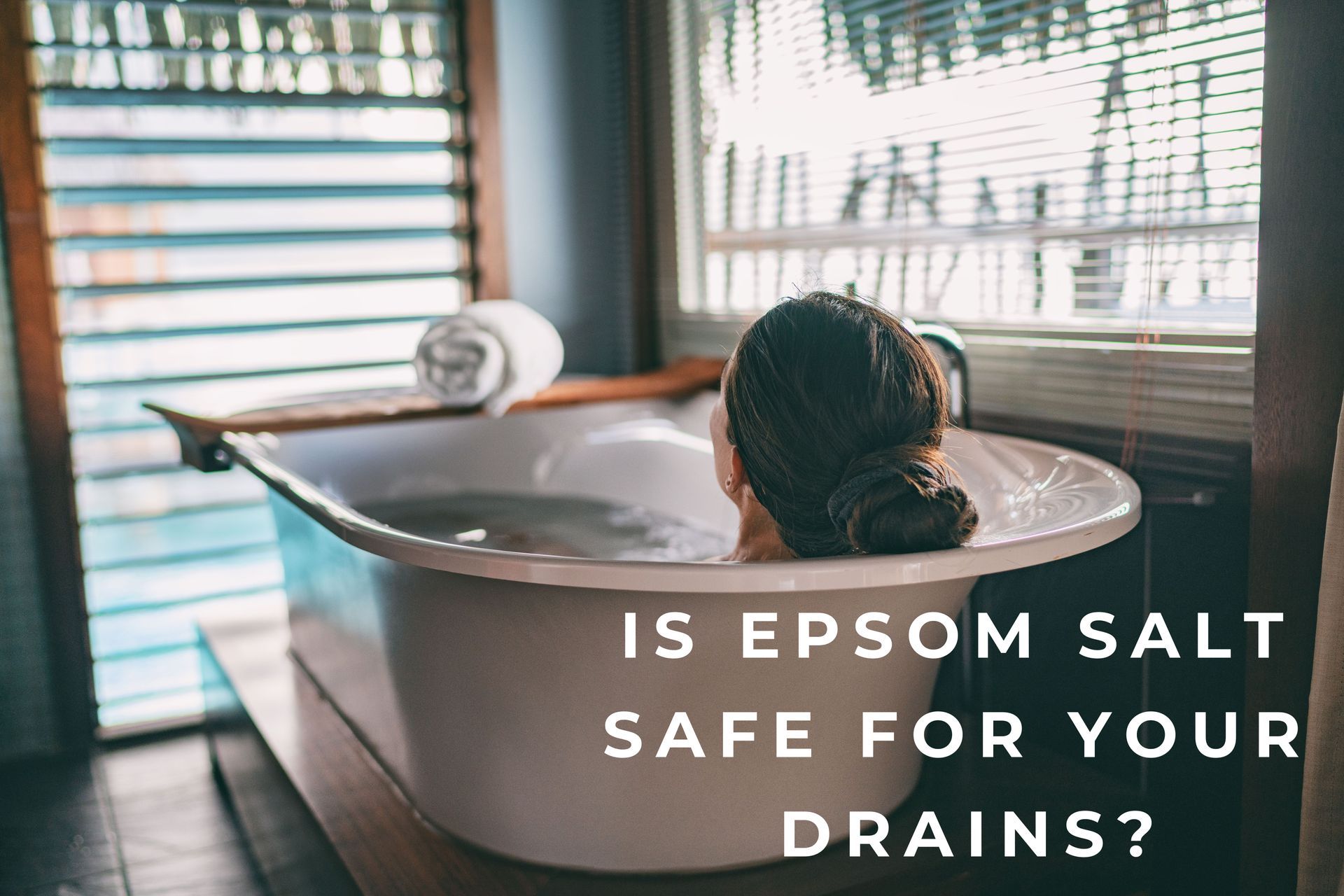
The use of Epsom salt in pipes is a subject that sparks diverse opinions within the plumbing community. While some tout its potential benefits, others issue warnings about its use. In this detailed blog, we will look into both perspectives to provide a comprehensive understanding of how Epsom salt may or may not impact your plumbing system.
Potential Benefits of Epsom Salt for Pipes
• Softening Water to Prevent Mineral Buildup:
Epsom salt, scientifically known as magnesium sulfate, is reputed for its water-softening properties. The belief is that by introducing Epsom salt into the plumbing system, it can reduce the accumulation of mineral deposits, potentially preventing the formation of stubborn hard water deposits in pipes.
• Natural Cleaning and Deodorizing:
Advocates of Epsom salt contend that it can serve as a natural cleaning agent. They argue that the salt has the ability to break down organic matter within pipes, acting as a gentle yet effective cleaner. Additionally, the deodorizing properties of Epsom salt may contribute to a more pleasant drain aroma.
• DIY Drain Maintenance:
DIY enthusiasts often incorporate Epsom salt into homemade drain-cleaning solutions. When combined with hot water, the salt is thought to have the ability to dissolve certain types of blockages, offering a DIY alternative for regular drain maintenance.
Concerns and Caution Regarding Epsom Salt Use
• Potential Residue Buildup:
Opponents of Epsom salt usage express concerns about the possibility of residue buildup over time. The argument is that accumulated residue may exacerbate clogging issues, necessitating professional intervention to address the problem effectively.
• Limited Scientific Evidence:
Despite its widespread use in various applications, there is a lack of robust scientific evidence specifically supporting the efficacy of Epsom salt in maintaining pipes. The perceived benefits remain largely anecdotal, underscoring the need for a cautious approach.
• Risk of Corrosion:
Critics highlight potential corrosion risks associated with magnesium, a component of Epsom salt. Prolonged exposure to magnesium may contribute to corrosion, particularly in older pipes or systems made of certain materials.
Navigating the Epsom Salt Debate in Plumbing:
The utilization of Epsom salt in pipes continues to be a debated topic within the plumbing community. While some individuals report positive outcomes, a cautious approach is advised. If contemplating the use of Epsom salt for pipe maintenance, seeking guidance from plumbing professionals tailored to your specific plumbing system and concerns is highly recommended.
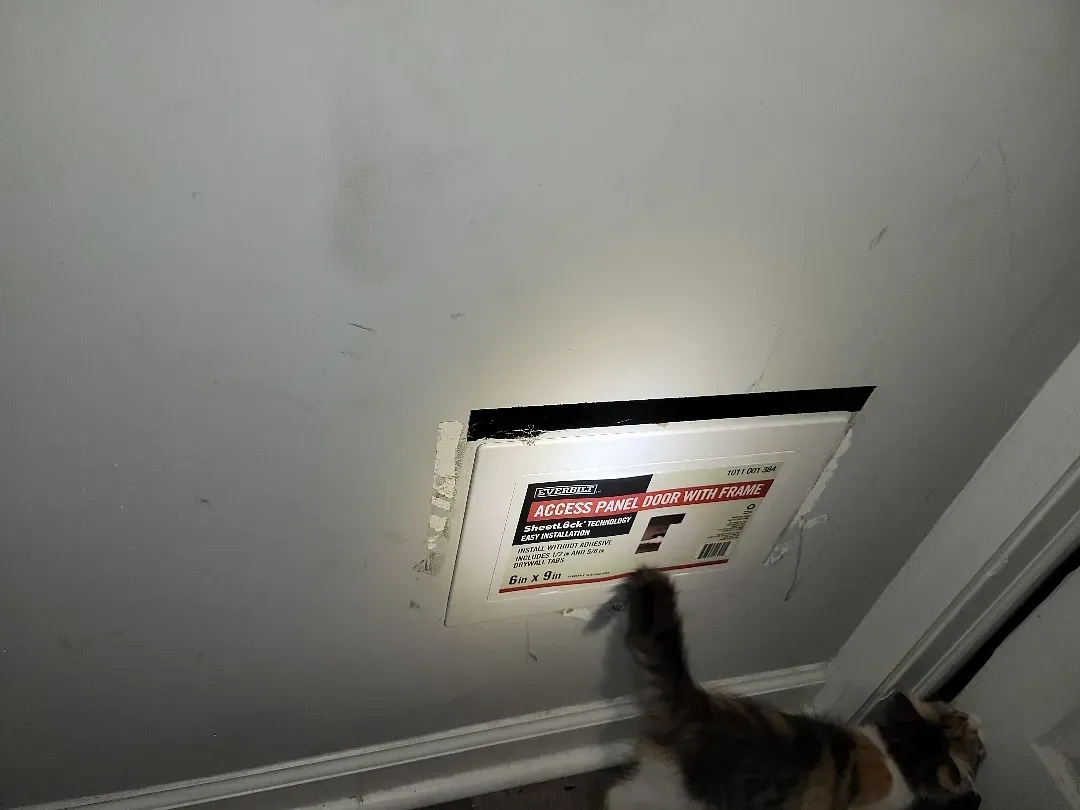
Learn why a plumbing access panel matters during renovations and how proper access to concealed valves, showers, rubs, cleanouts and pumps can prevent unnecessary wall damage and repair costs.
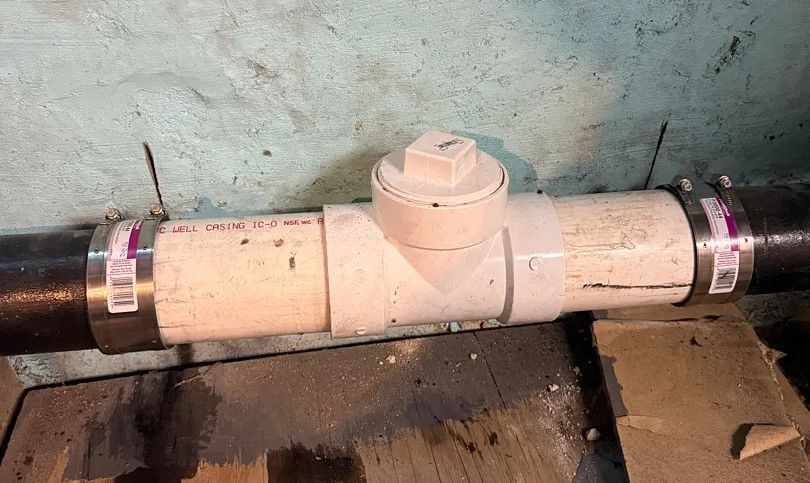
Learn why plumbing cleanouts matter, where to find them, and how they help plumbers clear drain and sewer clogs faster in Philadelphia homes.
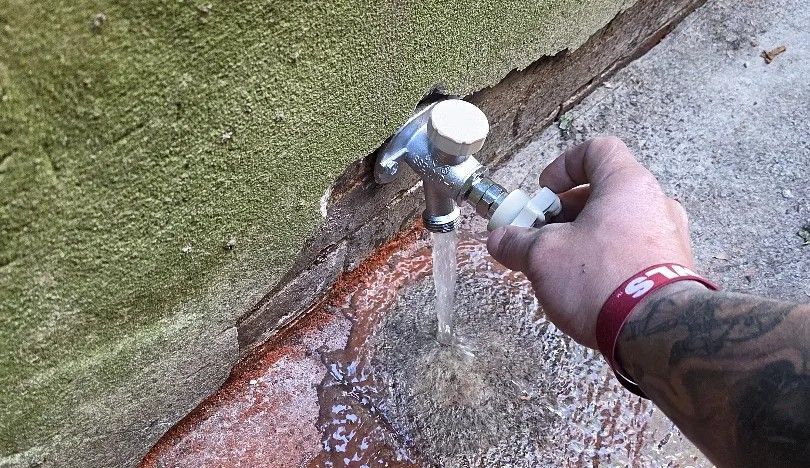
Learn why your outdoor spigot keeps dripping, common hose bib problems, signs of freeze damage, and when repair or replacement may be the best option.
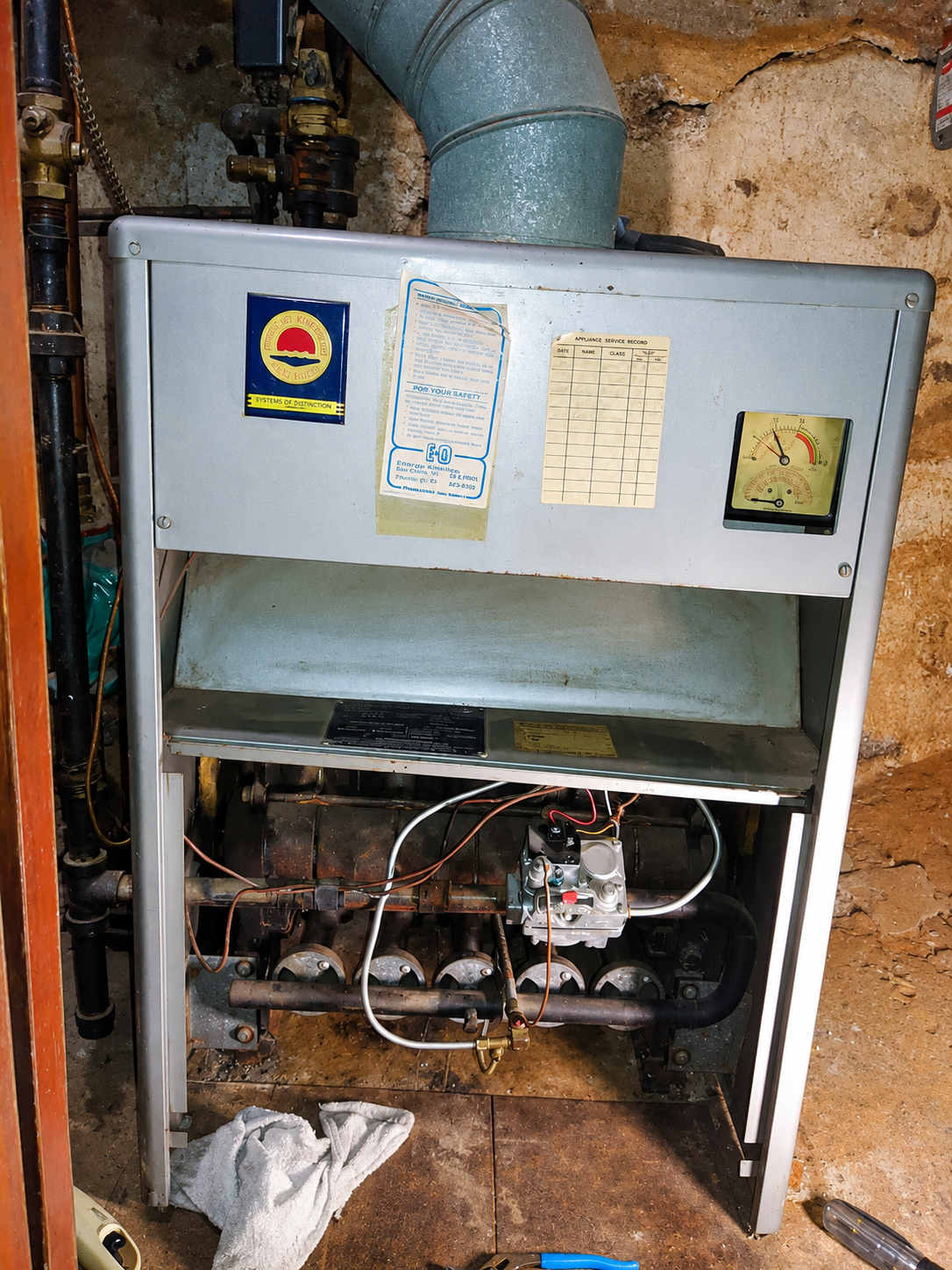
Prepare your Philadelphia home for heating season with this boiler startup checklist covering leaks, pressure, radiators, thermostats and annual service.
Every homeowner should know where their main water shutoff valve is. Learn how to located, identify, label, and safely test it before a plumbing emergency.
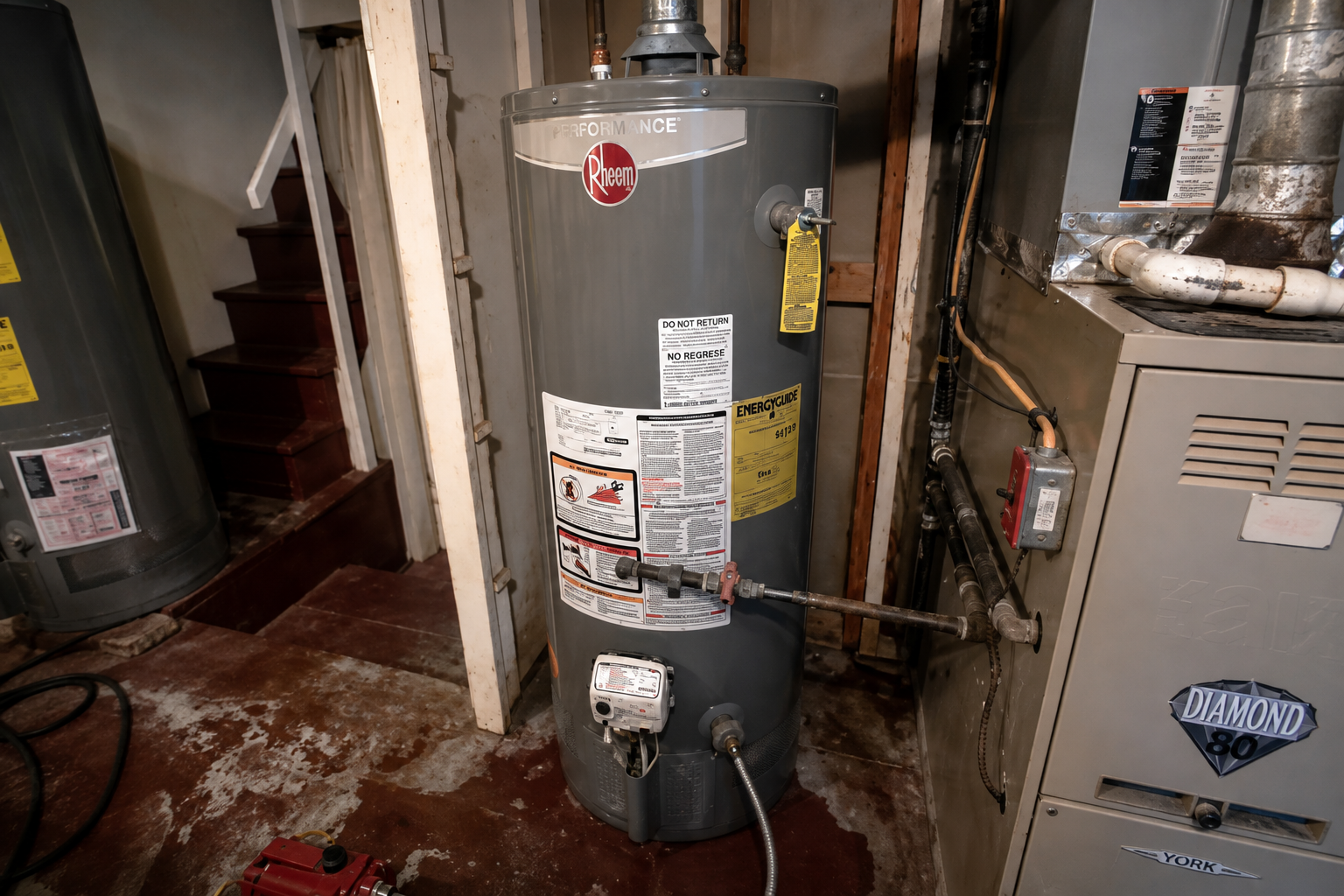
Learn the common reasons water heaters fail, warning signs to watch for, and when to consider repair or replacement. Water heater service in Philadelphia.
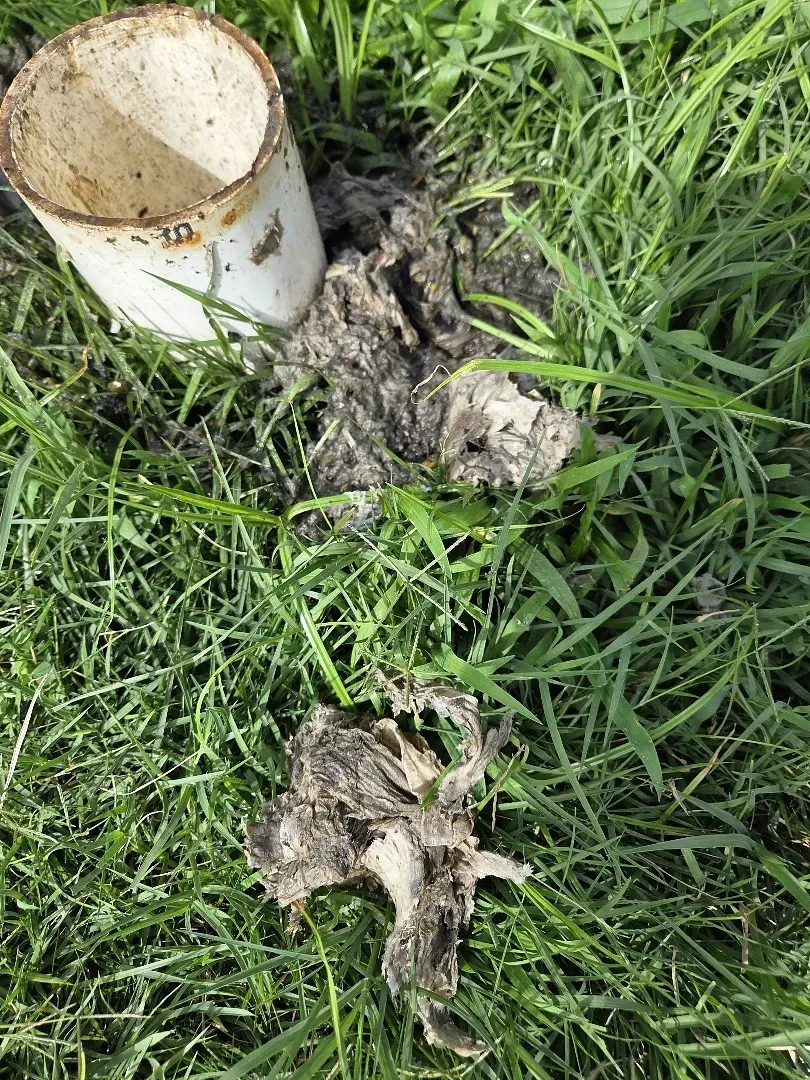
Learn 8 things you should never flush down the toilet and how they can cause clogged drains, sewer backups, and costly plumbing problems.
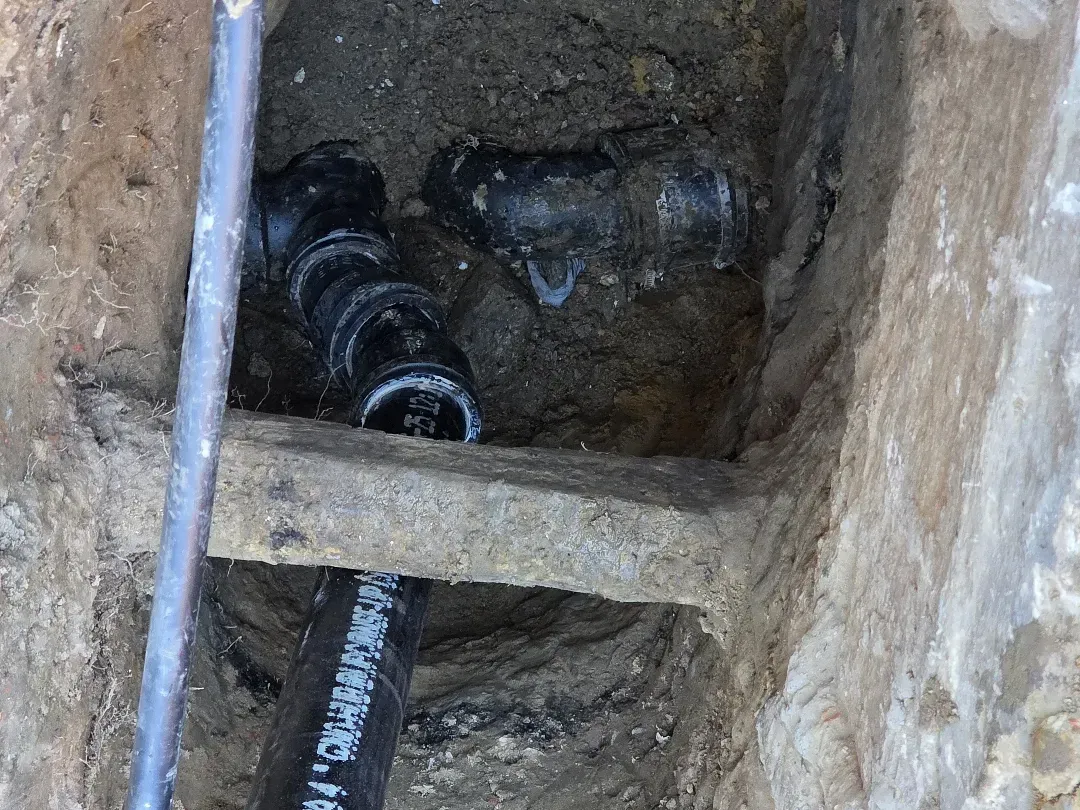
Learn why older cast iron sewer lines fail, the warning signs of deterioration, and when replacement may be the best long-term solution. Aqua Plumbing & Heating, LLC.
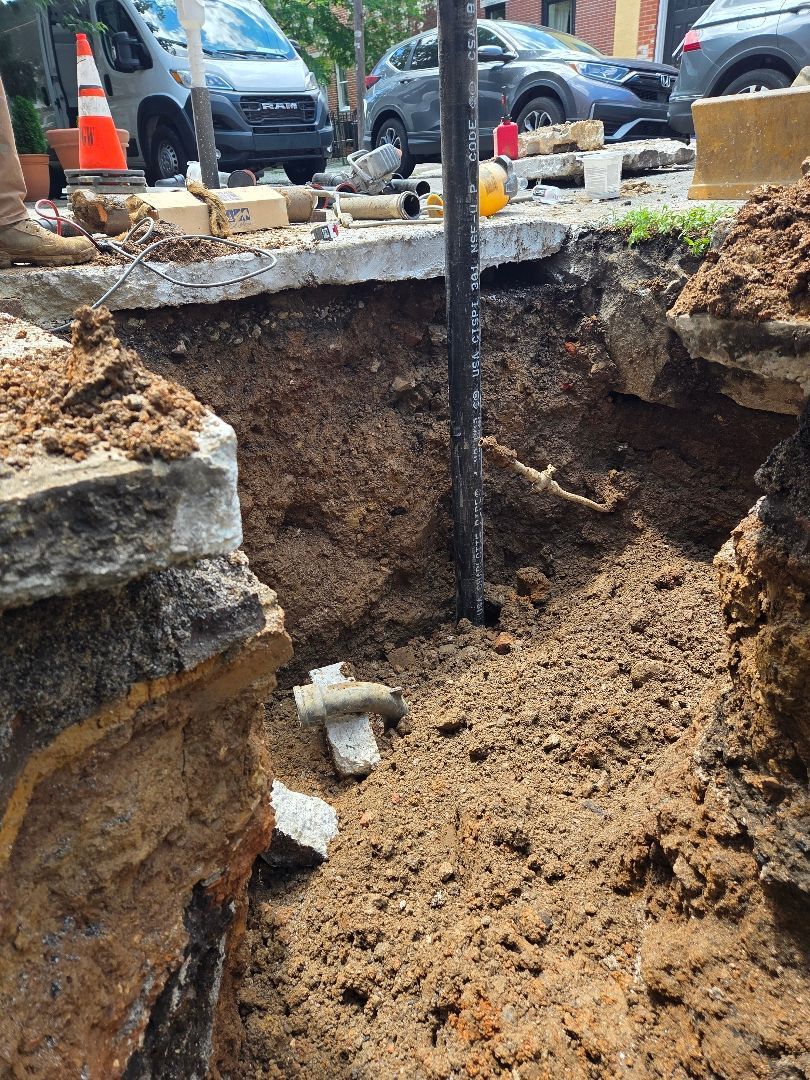
Learn the top three warning signs that your main sewer line may need replacement, including recurring backups, tree root intrusion, and multiple drain clogs. Plus, save $50 on sewer replacements through August 22, 2026.
Wondering why your basement smells like sewer? Learn the most common causes, including failed wax seals, dry floor drains, vent problems, and sewer line issues, and when to call a plumber.