Why Is My Water Heater Leaking?
Aqua Plumbing & Heating, LLC. • August 2, 2023
Common Causes & Expert Solutions
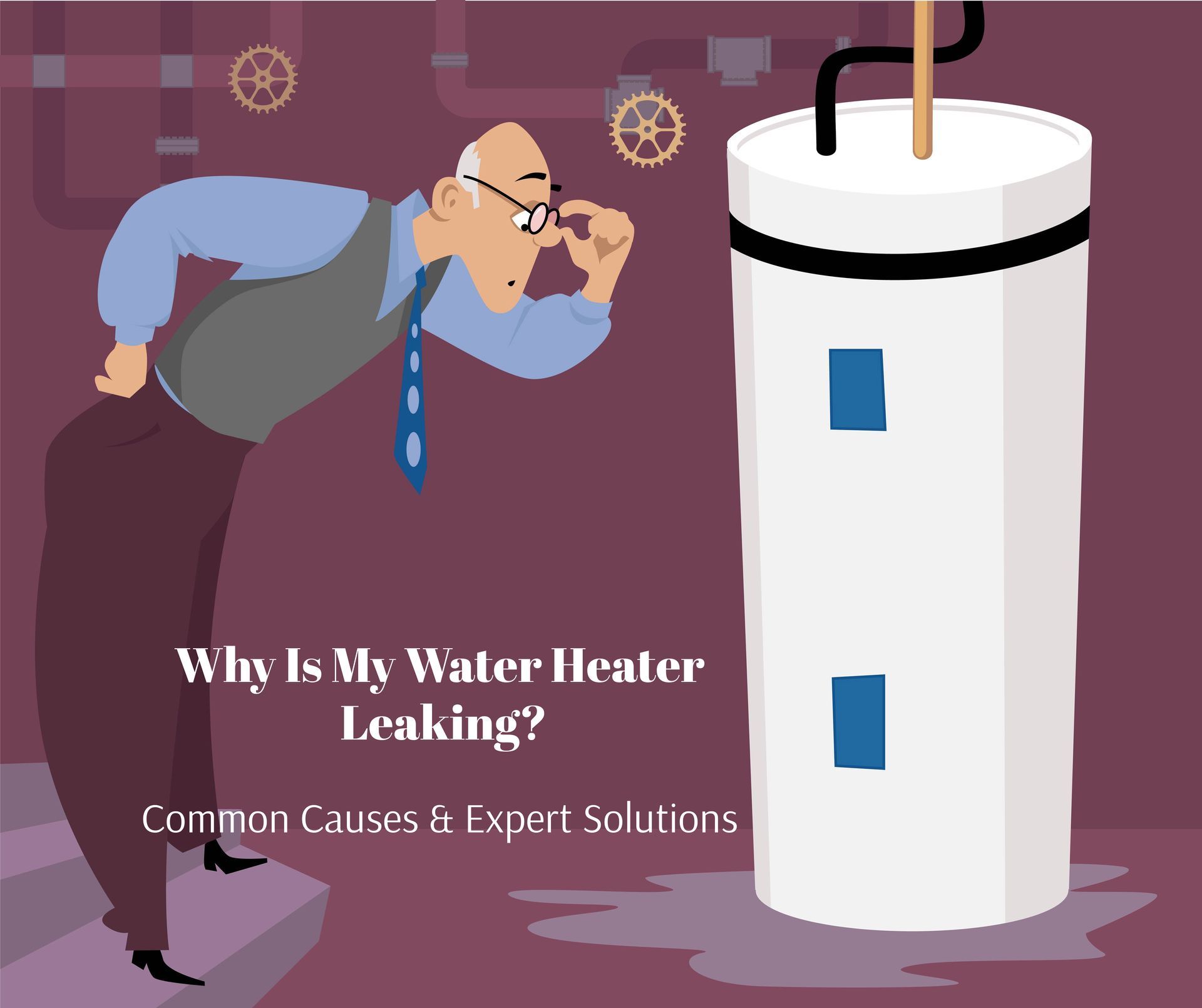
A reliable water heater is a vital component of any home or business, providing hot water for daily activities such as bathing, cooking and cleaning. However, a leaking water heater can quickly turn into a major inconvenience and a cause for concern. As a homeowner or business owner, it's essential to understand the common causes of water heater leaks and the appropriate solutions to address them promptly. In this blog post, we will delve into the various reasons why your water heater may be leaking and provide expert insights on how to resolve these issues effectively.
1. Loose or Faulty Drain Valve:
A loose or faulty drain valve is a common culprit behind water heater leaks. The drain valve, located at the bottom of the tank, is essential for maintenance and flushing out sediment. Over time, mineral deposits or regular use can cause the valve to loosen or develop cracks, resulting in water seepage.
Solution: Gently tighten the drain valve using a wrench. If it remains faulty or damaged, it's best to have a licensed plumber replace it to prevent further leakage.
2. Pressure Relief Valve (PRV):
The pressure relief valve (PRV) serves a crucial safety function by releasing excess pressure from the water heater tank. If the PRV malfunctions or becomes clogged, it can lead to increased pressure inside the tank, causing water to leak from the valve.
Solution: Test the PRV by lifting the lever slightly to check for proper operation. If it doesn't release pressure or continues to leak, have it replaced by a professional plumber to ensure your water heater's safe and efficient operation.
3. Corrosion and Rust:
Corrosion and rust are common issues for water heaters, especially in areas with hard water. Over time, these corrosive elements can weaken the tank, leading to the development of small holes or fractures that result in water leakage.
Solution: Regularly inspect the water heater tank for signs of corrosion or rust, such as discolored patches or flaking metal. If significant corrosion is evident, consider replacing the water heater to avoid potential flooding and extensive water damage.
4. Broken or Damaged Pipe Connections:
Water heaters are connected to your home or business plumbing system through various pipes and fittings. Over time, these connections may become loose or damaged due to age or wear and tear.
Solution: Thoroughly check all pipe connections around the water heater for sings of water leakage. Tighten any loose connections and promptly replace damaged or worn-out pipes and fittings.
5. Excessive Water Pressure:
High water pressure can place undue strain on the water heater and its components, leading to leaks and other issues.
Solution: Use a pressure gauge to measure the water pressure in your home or business. If it exceeds the recommended level (typically 40-80PSI), consider installing a pressure-reducing valve to safeguard your water heater and your plumbing system.
A water heater leak is a concern that requires prompt attention to prevent further damage and potential hazards. Identifying the root cause of the leak is the first step towards finding the right solution. Whether it's a loose valve, a malfunctioning PRV, corrosion, or damaged pipe connections, addressing the issue swiftly and effectively is essential. For complex water heater issues, it's advisable to seek the expertise of a licensed plumber to ensure a safe and long-lasting resolution. Regular maintenance, periodic inspections, and proactive measures can help extend the life of your water heater and keep it functioning efficiently for years to come. With proper care and attention, your water heater will continue to provide you with the comfort and convenience of hot water whenever you need it.
Contact our office at (267)600-8159 to schedule an estimate.
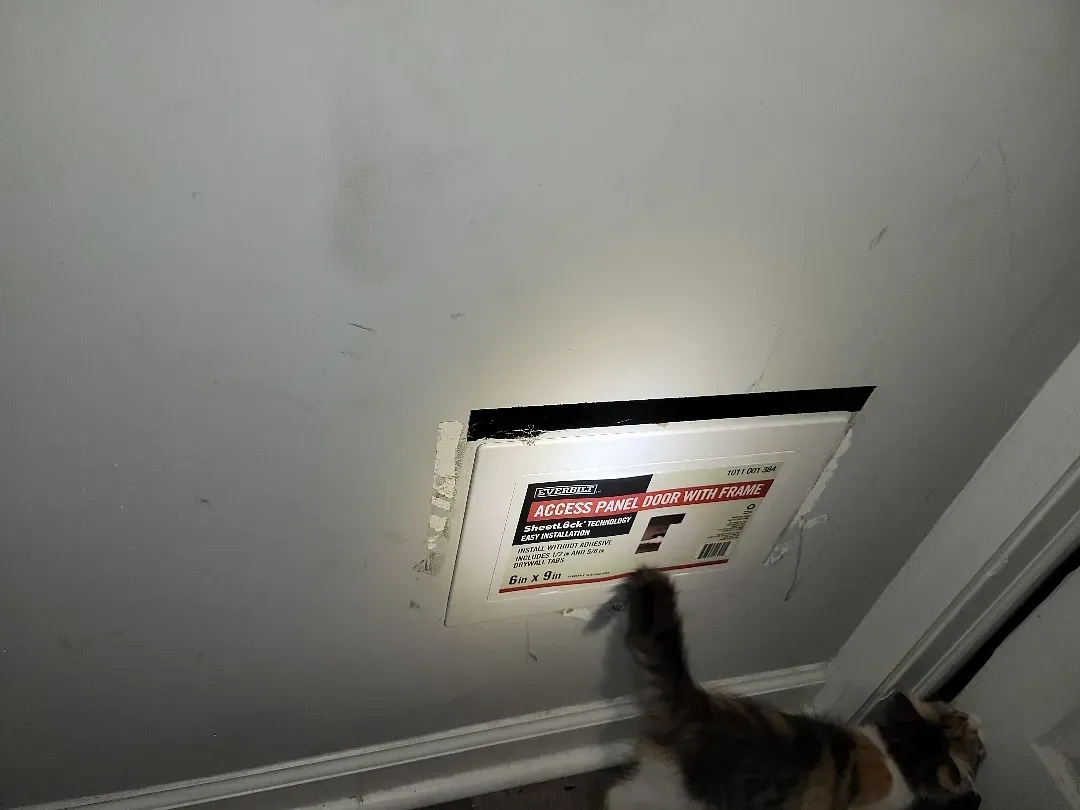
Learn why a plumbing access panel matters during renovations and how proper access to concealed valves, showers, rubs, cleanouts and pumps can prevent unnecessary wall damage and repair costs.
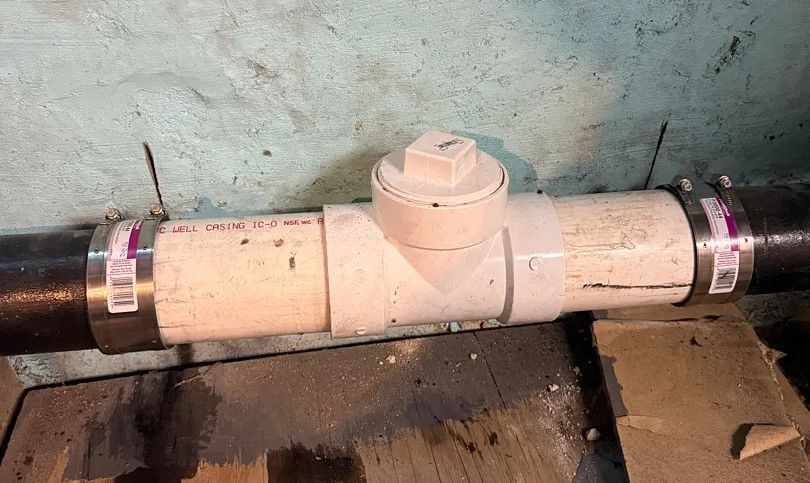
Learn why plumbing cleanouts matter, where to find them, and how they help plumbers clear drain and sewer clogs faster in Philadelphia homes.
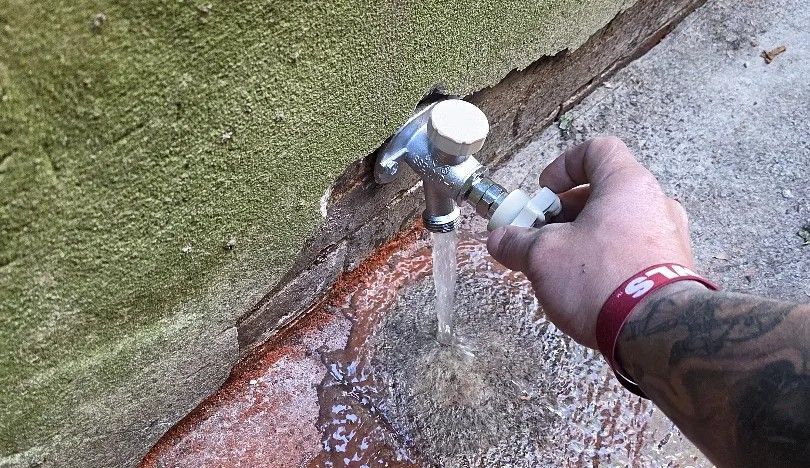
Learn why your outdoor spigot keeps dripping, common hose bib problems, signs of freeze damage, and when repair or replacement may be the best option.
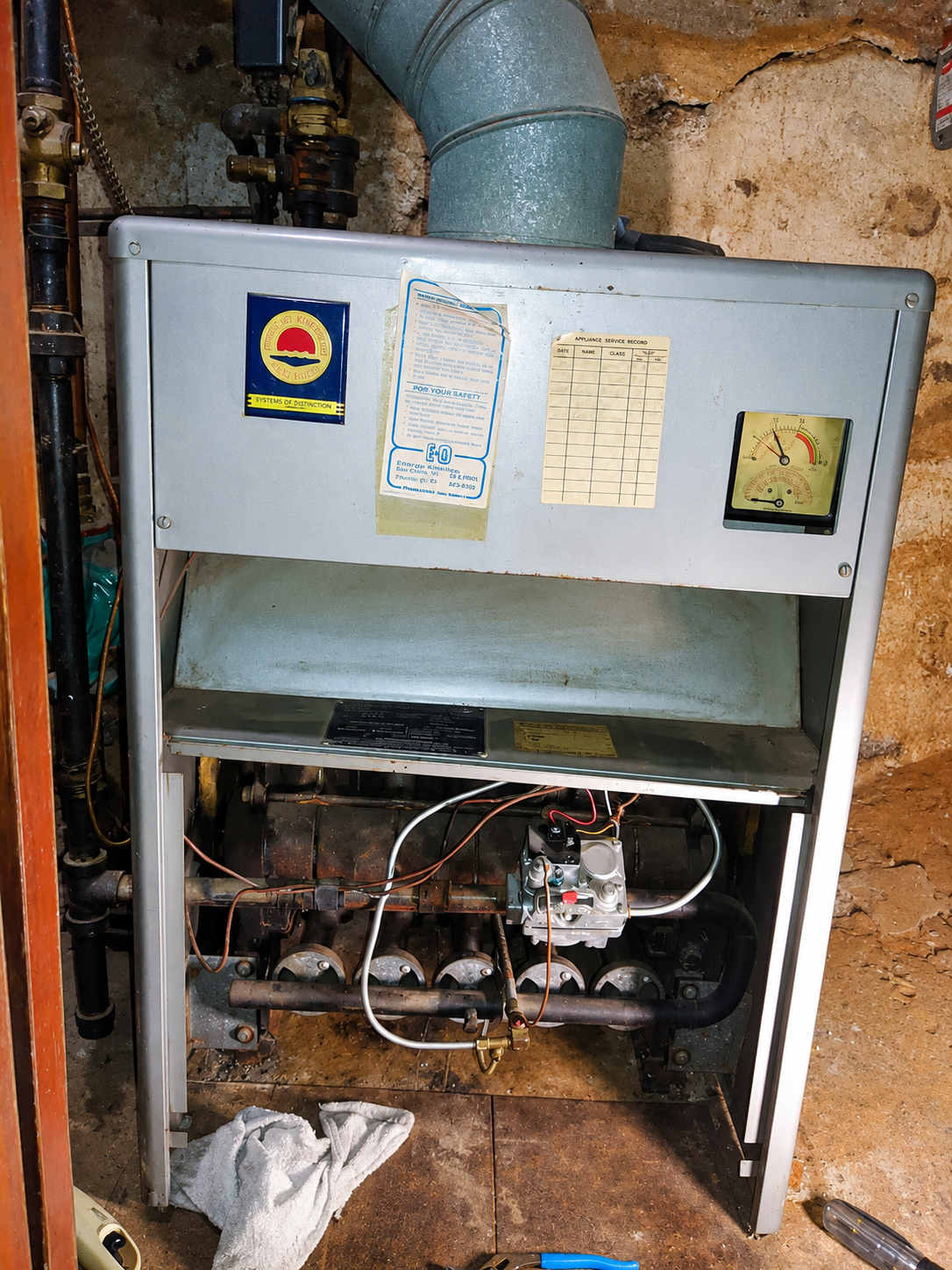
Prepare your Philadelphia home for heating season with this boiler startup checklist covering leaks, pressure, radiators, thermostats and annual service.
Every homeowner should know where their main water shutoff valve is. Learn how to located, identify, label, and safely test it before a plumbing emergency.
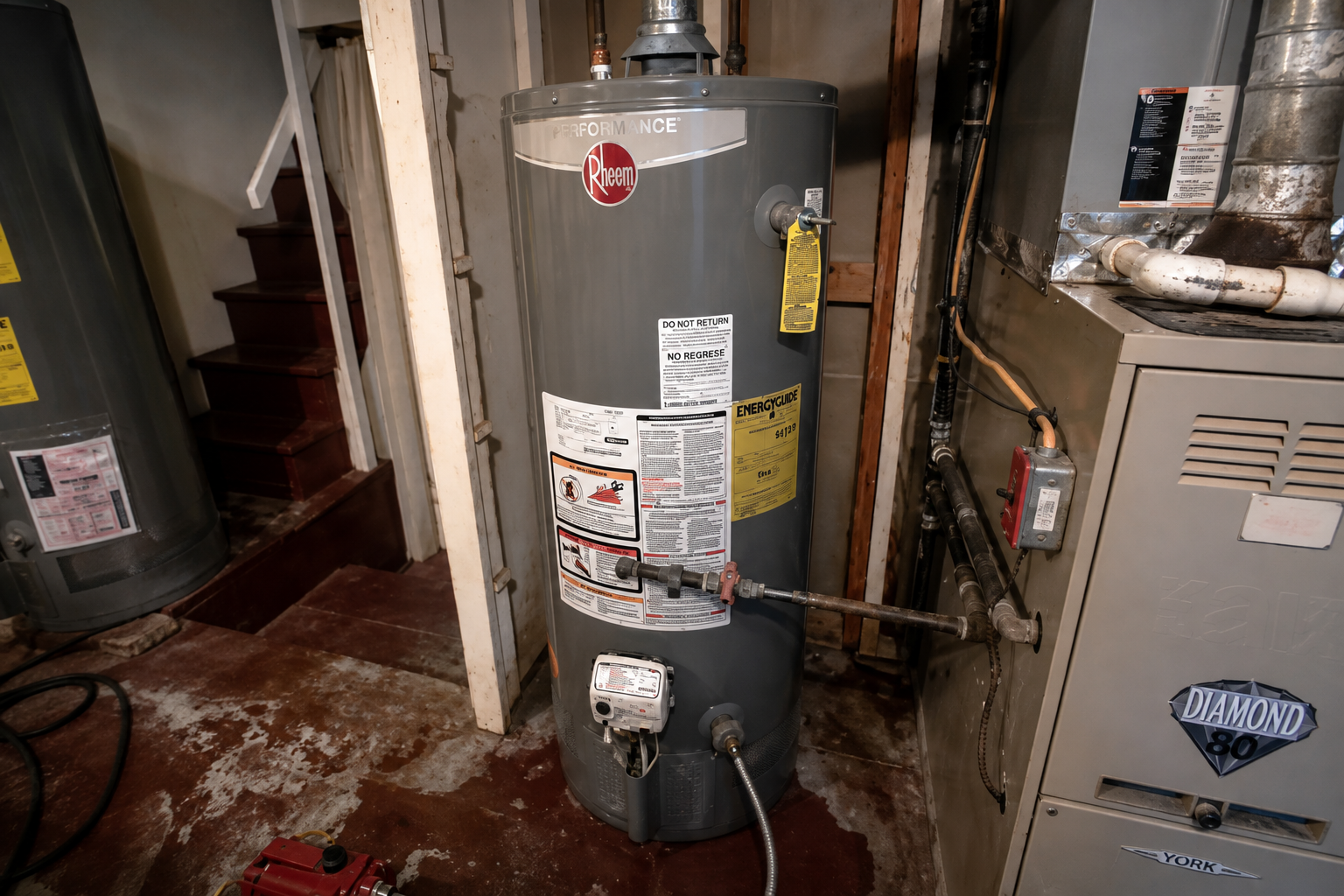
Learn the common reasons water heaters fail, warning signs to watch for, and when to consider repair or replacement. Water heater service in Philadelphia.
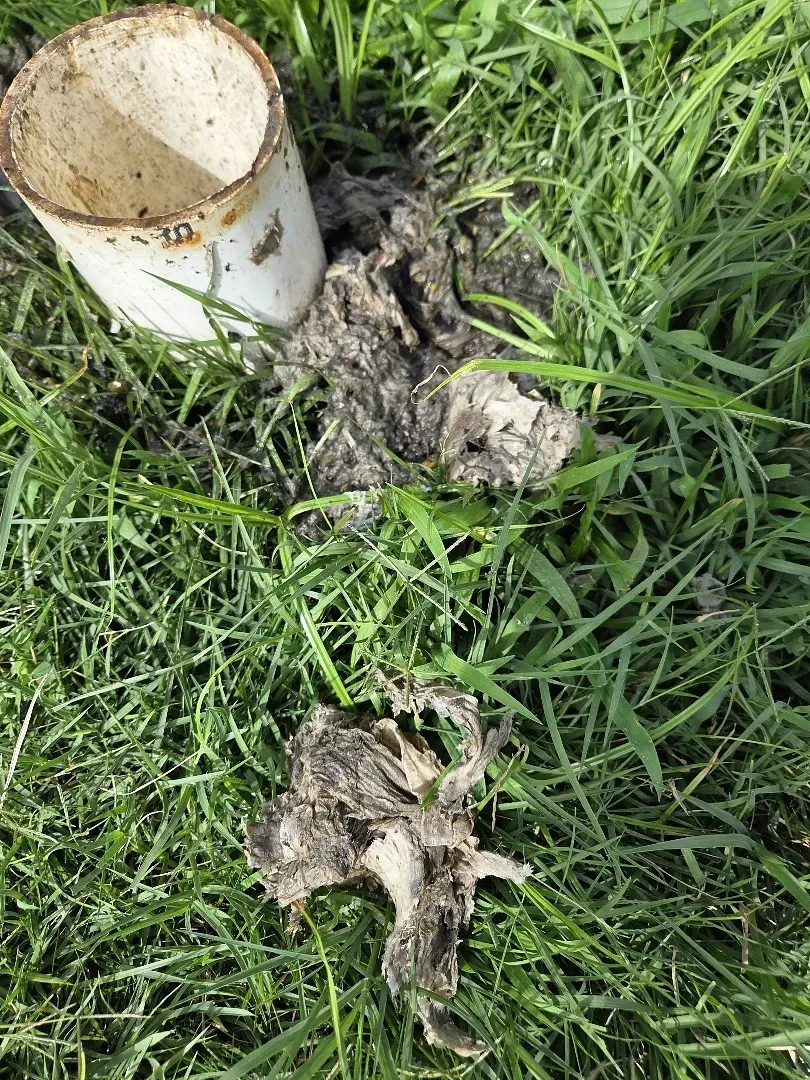
Learn 8 things you should never flush down the toilet and how they can cause clogged drains, sewer backups, and costly plumbing problems.
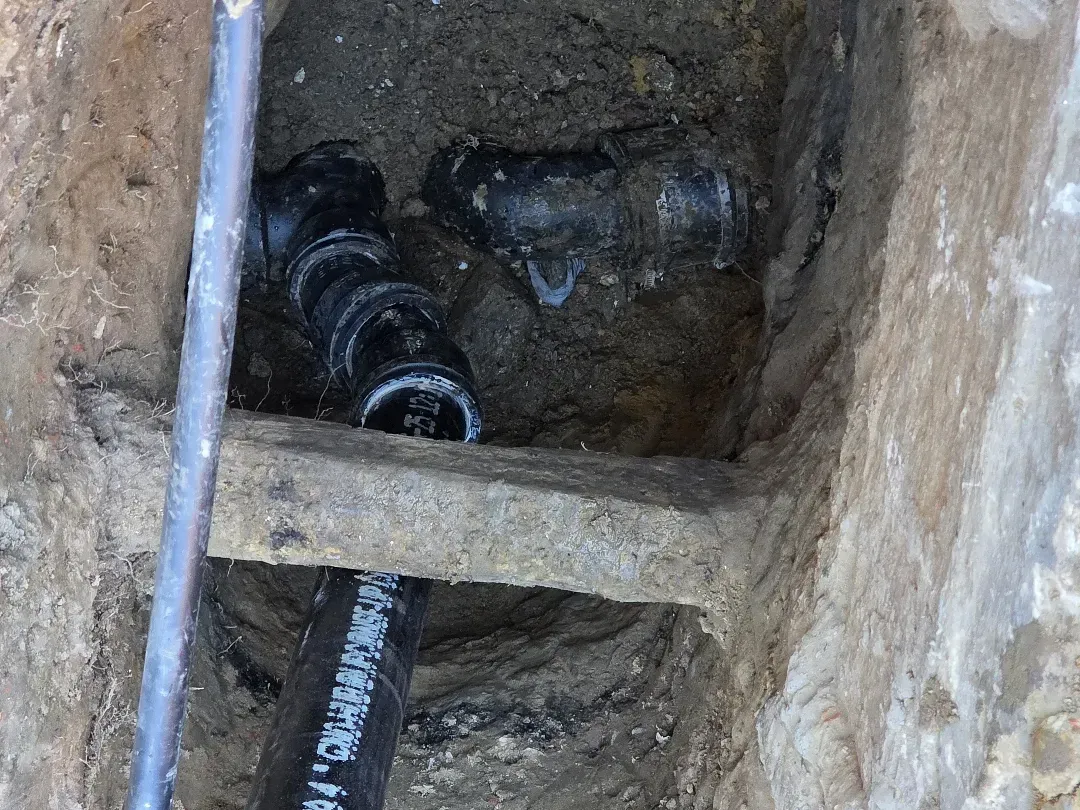
Learn why older cast iron sewer lines fail, the warning signs of deterioration, and when replacement may be the best long-term solution. Aqua Plumbing & Heating, LLC.
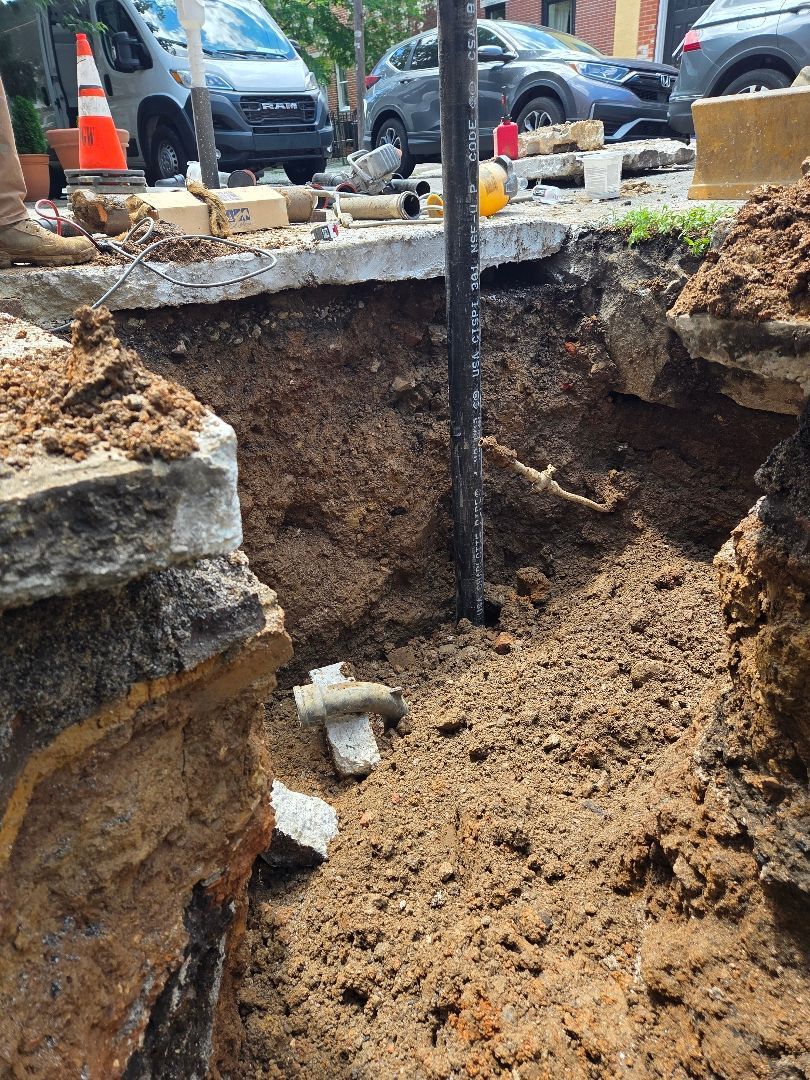
Learn the top three warning signs that your main sewer line may need replacement, including recurring backups, tree root intrusion, and multiple drain clogs. Plus, save $50 on sewer replacements through August 22, 2026.
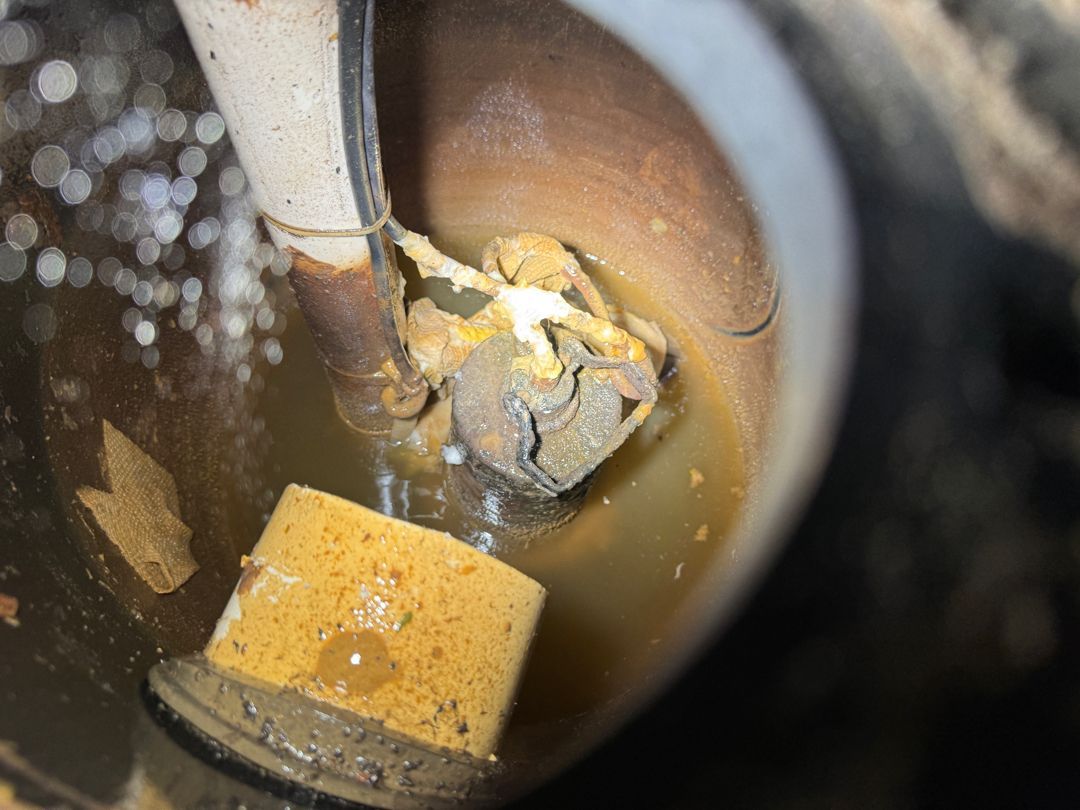
Wondering why your basement smells like sewer? Learn the most common causes, including failed wax seals, dry floor drains, vent problems, and sewer line issues, and when to call a plumber.