Winter Plumbing Emergencies
Aqua Plumbing & Heating, LLC. • October 25, 2023
How To Prepare Your Home for the Cold
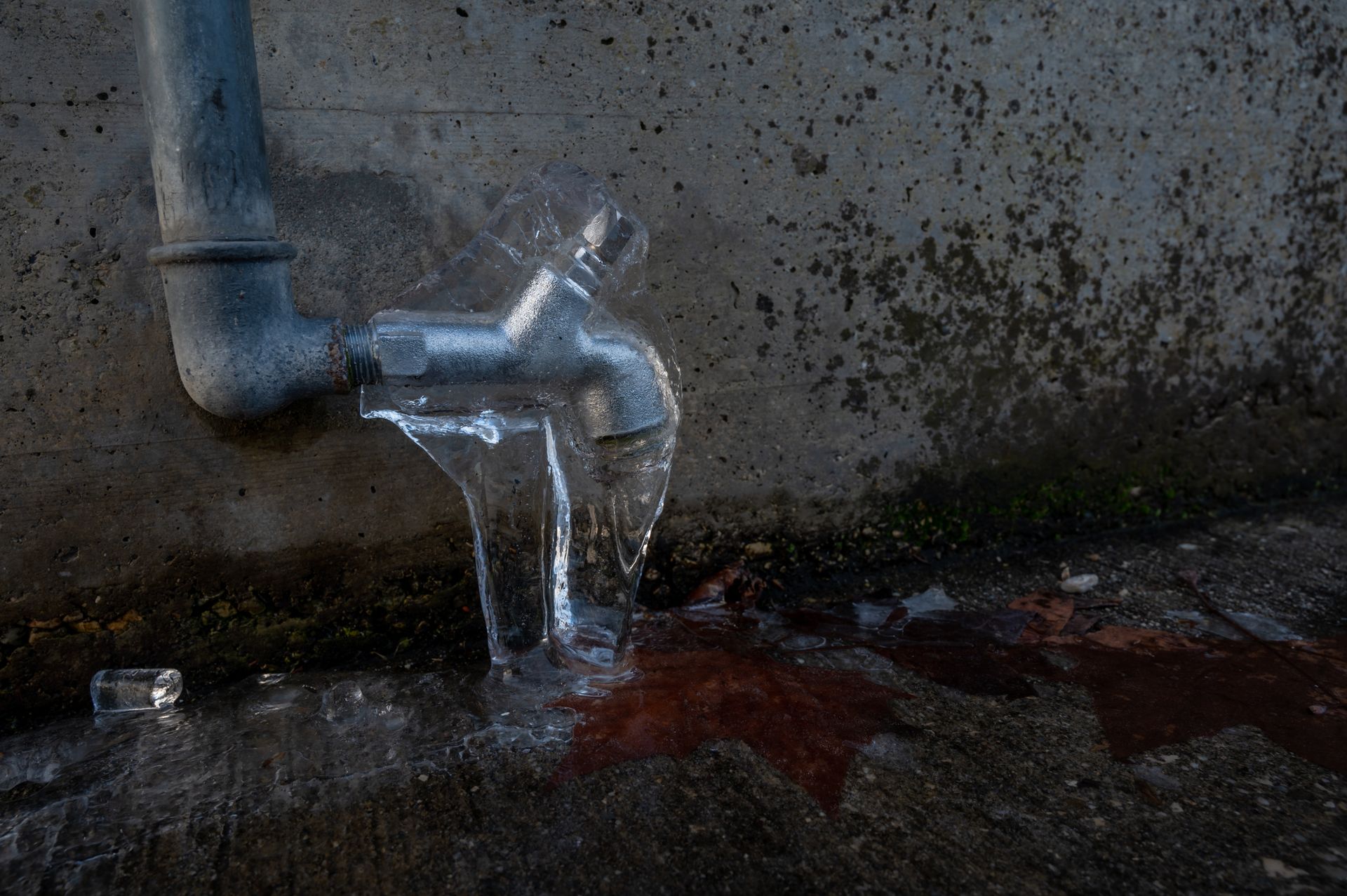
With winter's arrival coming shortly, of course it brings the picturesque landscapes and cozy nights by the fire, but it can also pose serious threats to your home's plumbing. When temperatures plummet, the risk of frozen and burst pipes increases, potentially leading to costly and inconvenient plumbing emergencies. To ensure a warm and worry-free winter season, we've crafted a comprehensive guide on how to prepare for plumbing emergencies in winter while protecting your home.
1. Insulate Your Pipes:
Preventing frozen pipes begins with proper insulation. Use pipe insulation sleeves or heating tape to protect your pipes, paying special attention to those in unheated areas like basements, crawl spaces, and attics. Adequate insulation helps retain heat and keeps water inside your pipes from freezing.
2. Maintain Adequate Heat:
Ensure your home stays sufficiently heated, especially in areas where your plumbing pipes are located. Regularly check that your heating system is in good working condition. During severe cold spells, consider setting your thermostat a bit higher at night to maintain consistent warmth indoors.
3. Drip Your Faucets:
When temperatures dip, allow a small, continuous drip from all faucets. This minimal flow of water can prevent pipes from freezing. While it may seem counterintuitive to waste water, it's a minor expense compared to the potential costs of repairing burst pipes.
4. Seal Leaks and Cracks:
Search your home for gaps, cracks, or openings where cold air can infiltrate. Use weatherstripping or caulk to seal these areas, enhancing both energy efficiency and pipe protection.
5. Disconnect Garden Hoses:
Before the first frost, disconnect and drain all outdoor garden hoses. Keep outdoor valves open to allow any residual water to escape, preventing freezing and potential damage to your indoor plumbing.
6. Open Cabinet Doors:
In extremely cold weather, open cabinet doors under sinks to permit warm air circulation around the pipes. This is especially crucial for plumbing located on exterior walls.
7. Know Your Main Shut-Off Valve's Location:
In the event of a plumbing emergency, familiarity with the main shut-off valve's location is invaluable. Quickly turning off the water supply can significantly reduce damage from a burst pipe.
8. Stock Emergency Supplies:
Maintain a stash of emergency plumbing supplies, including pipe insulation, a pipe wrench, plumber's tape and a bucket. Having these tools readily available can be a lifesaver when making temporary repairs while waiting for a professional to arrive.
9. Professional Inspection:
Consider hiring a professional plumber for a thorough inspection of your plumbing system before winter arrives. They can identify potential issues and perform preventive maintenance, ensuring your plumbing is winter-ready.
10. Plan for Emergencies:
Lastly, develop a plan for plumbing emergencies. Know the contact information for a reputable licensed plumber and keep their number handy. In the event of a burst pipe or other emergency, a swift response can mitigate the damage.
Winter plumbing emergencies can be stressful and expensive, but with proper preparation, you can minimize the risk and protect your home. By following the above tips and staying vigilant, you'll be better equipped to enjoy a warm and worry-free winter season.
Remember, in the event of a plumbing emergency this winter, it's always best to consult a professional plumber for safe and effective solutions. Stay warm, stay prepared, and stay cozy throughout the colder months! Contact Aqua Plumbing & Heating, LLC., for all of your plumbing needs.
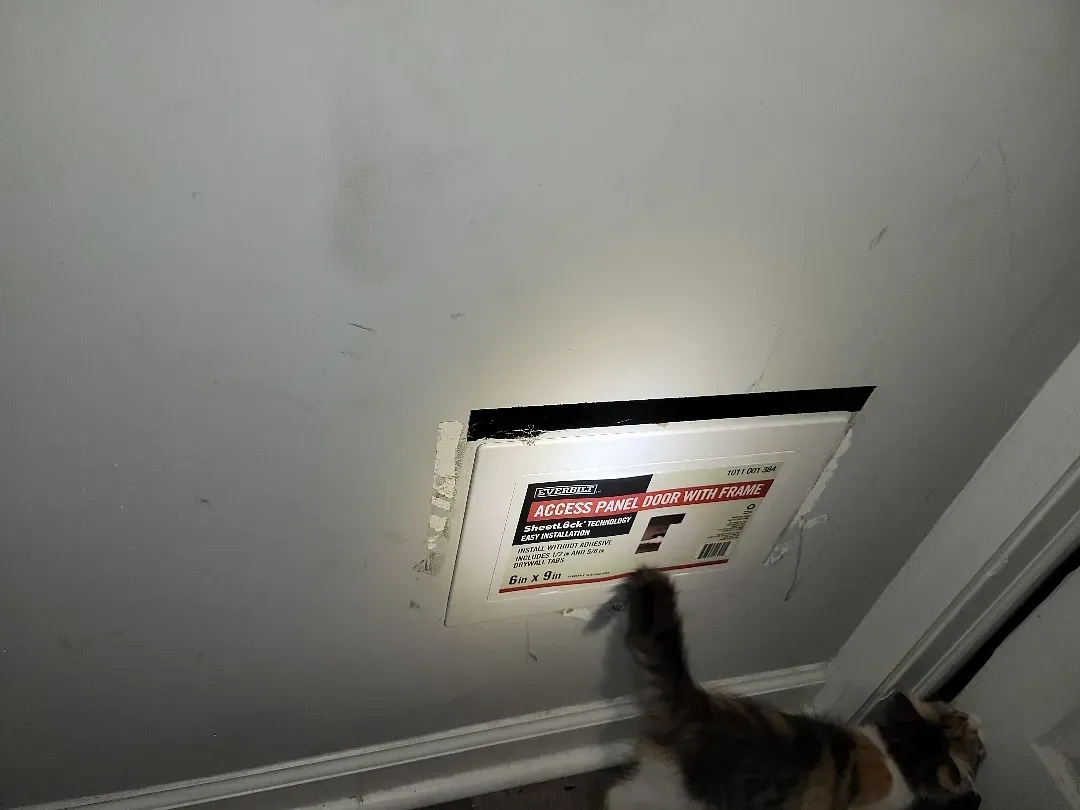
Learn why a plumbing access panel matters during renovations and how proper access to concealed valves, showers, rubs, cleanouts and pumps can prevent unnecessary wall damage and repair costs.
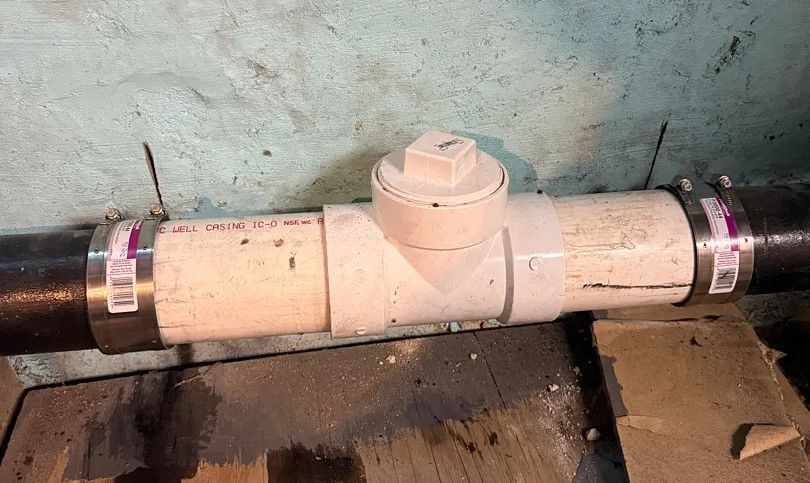
Learn why plumbing cleanouts matter, where to find them, and how they help plumbers clear drain and sewer clogs faster in Philadelphia homes.
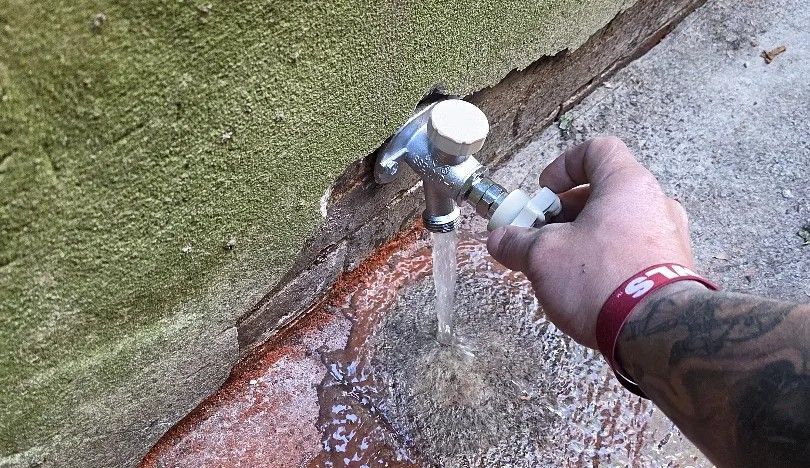
Learn why your outdoor spigot keeps dripping, common hose bib problems, signs of freeze damage, and when repair or replacement may be the best option.
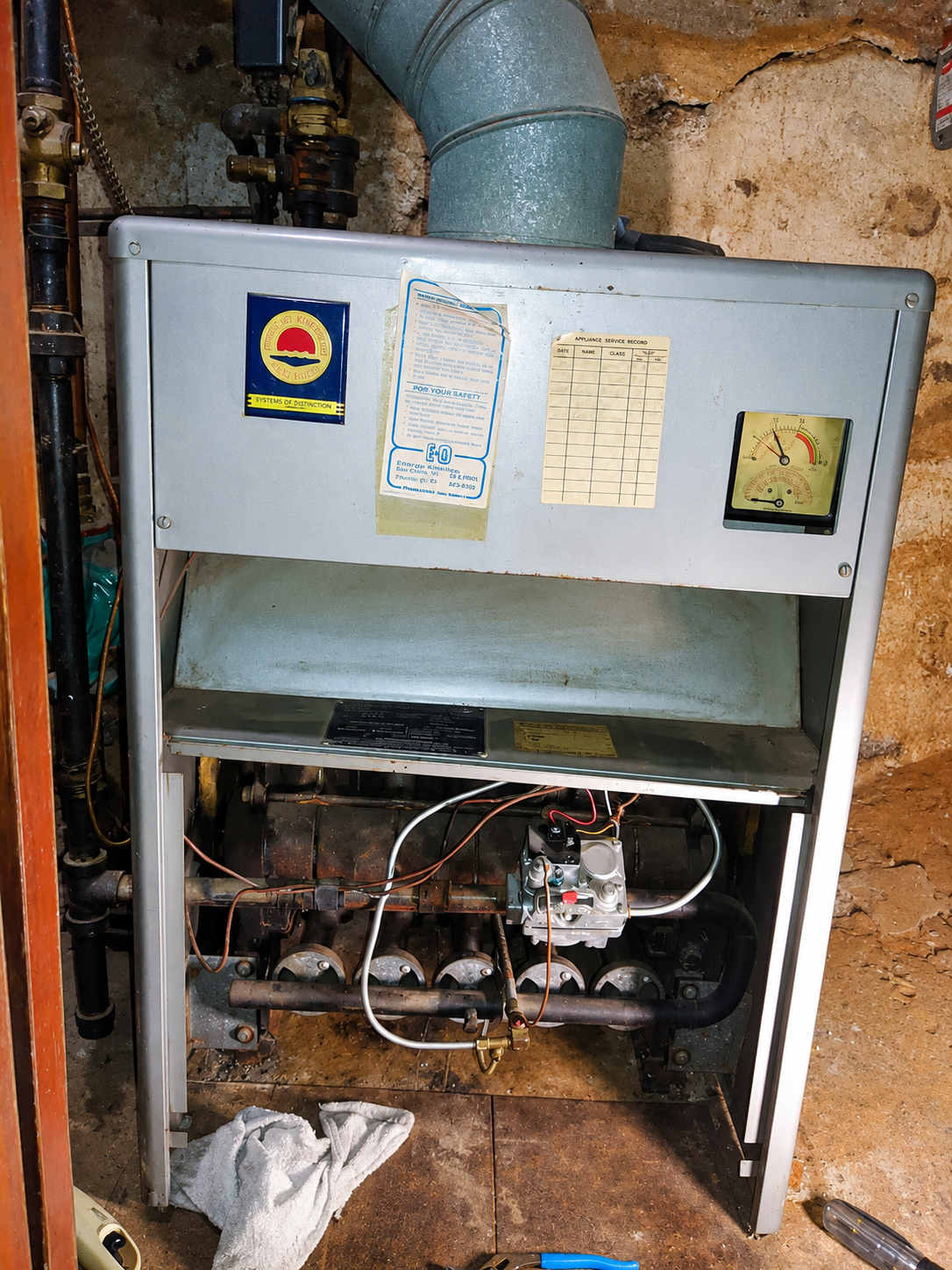
Prepare your Philadelphia home for heating season with this boiler startup checklist covering leaks, pressure, radiators, thermostats and annual service.
Every homeowner should know where their main water shutoff valve is. Learn how to located, identify, label, and safely test it before a plumbing emergency.
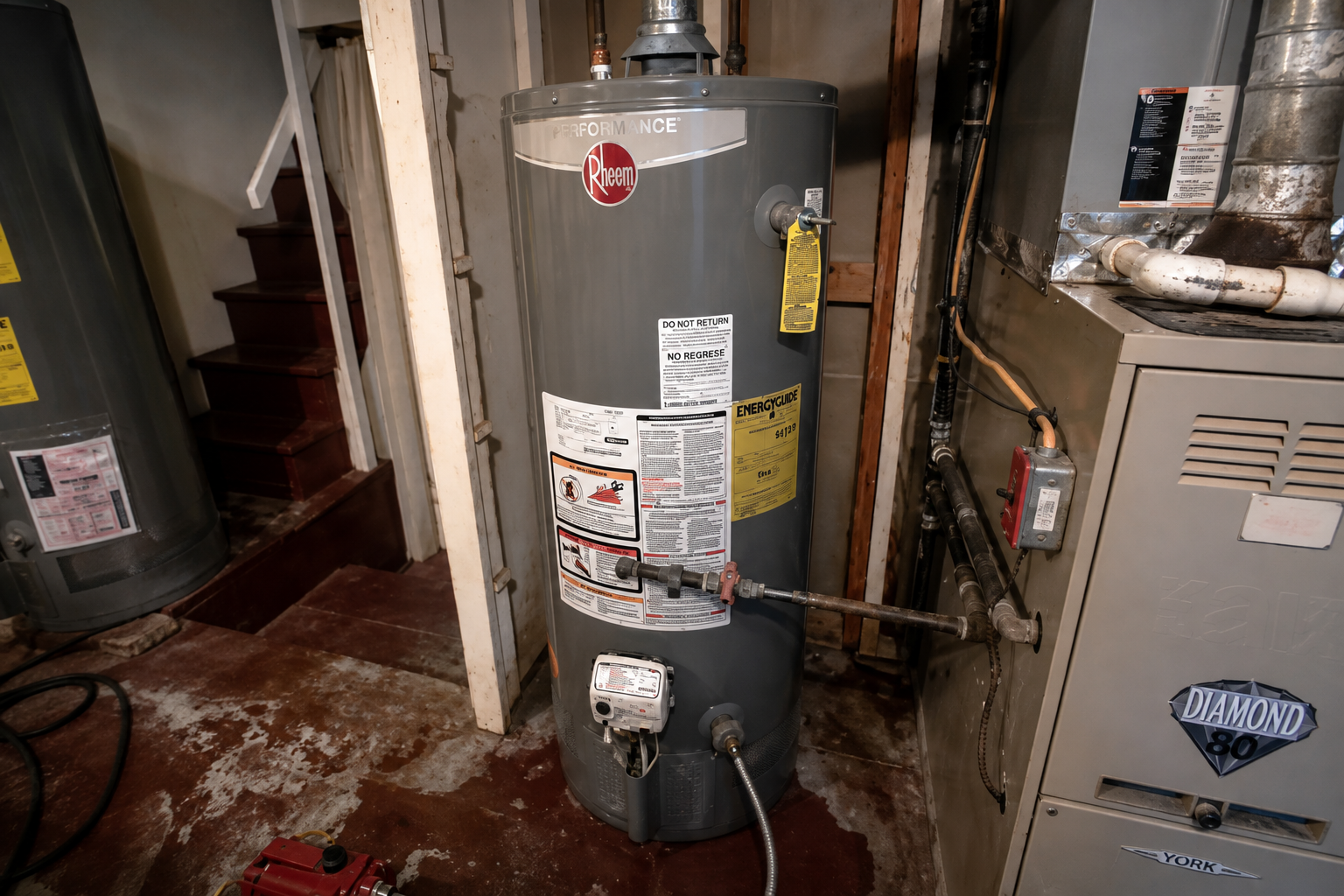
Learn the common reasons water heaters fail, warning signs to watch for, and when to consider repair or replacement. Water heater service in Philadelphia.
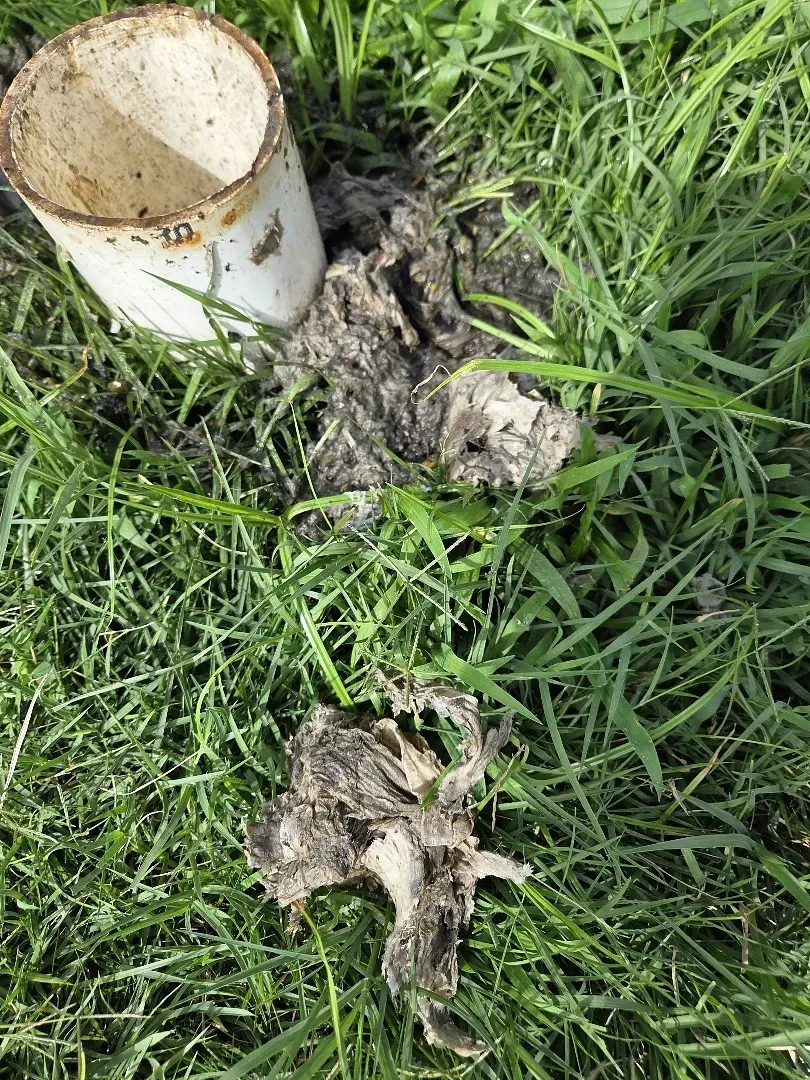
Learn 8 things you should never flush down the toilet and how they can cause clogged drains, sewer backups, and costly plumbing problems.
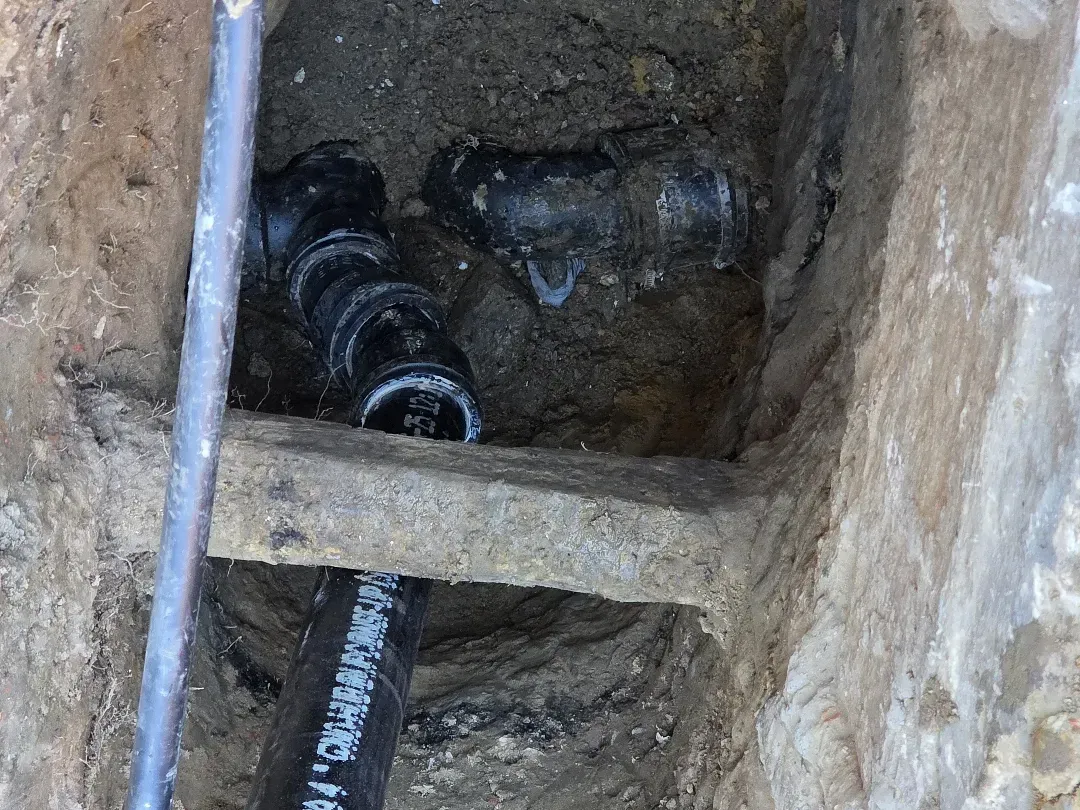
Learn why older cast iron sewer lines fail, the warning signs of deterioration, and when replacement may be the best long-term solution. Aqua Plumbing & Heating, LLC.
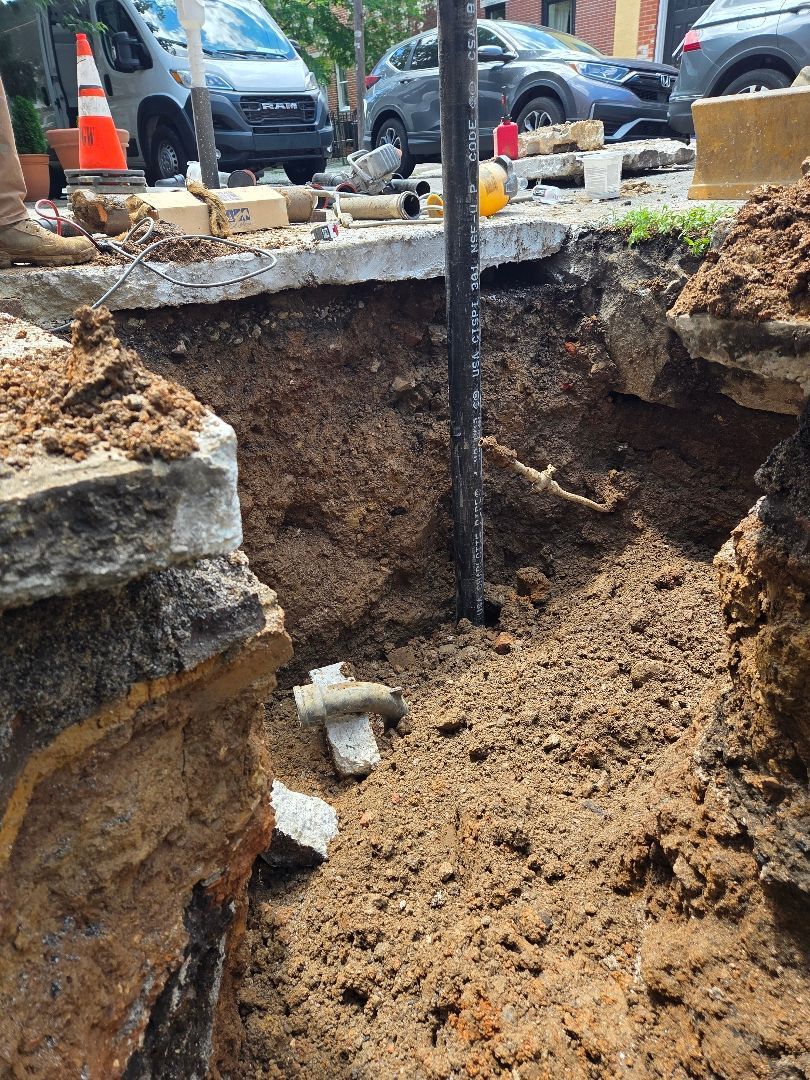
Learn the top three warning signs that your main sewer line may need replacement, including recurring backups, tree root intrusion, and multiple drain clogs. Plus, save $50 on sewer replacements through August 22, 2026.
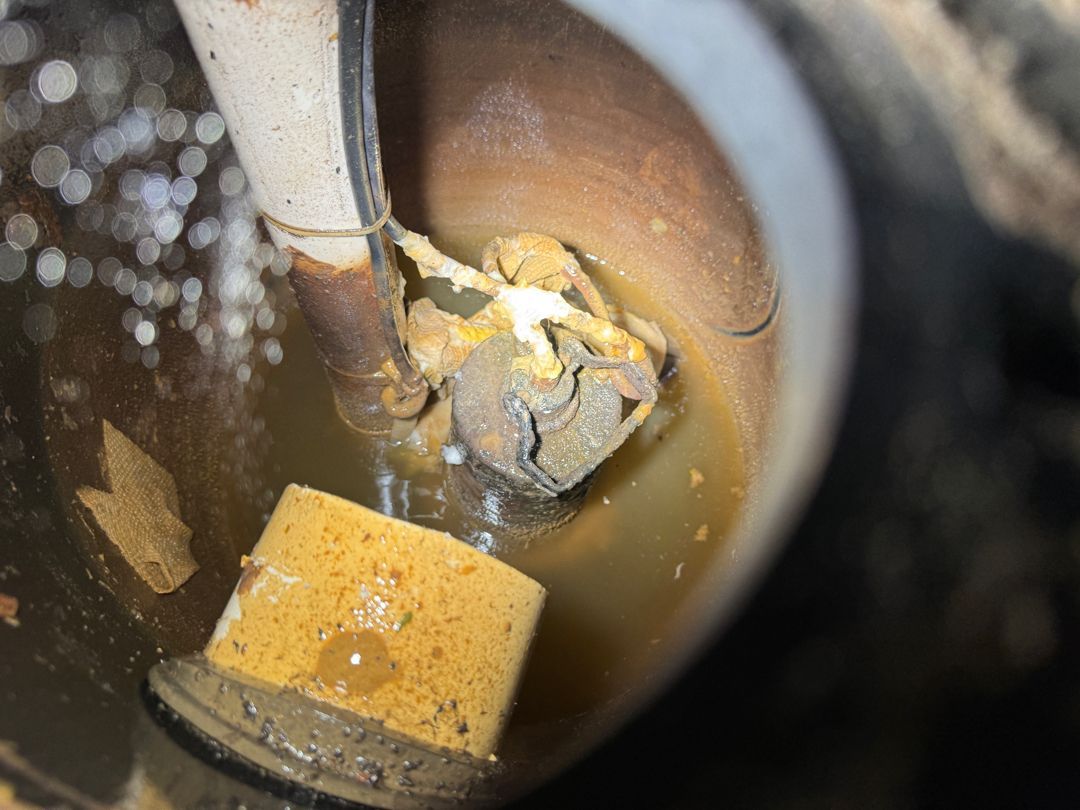
Wondering why your basement smells like sewer? Learn the most common causes, including failed wax seals, dry floor drains, vent problems, and sewer line issues, and when to call a plumber.