Battling Rust in Toilets and Bathtubs
Aqua Plumbing & Heating, LLC. • October 18, 2023
Tips for Healthy Plumbing
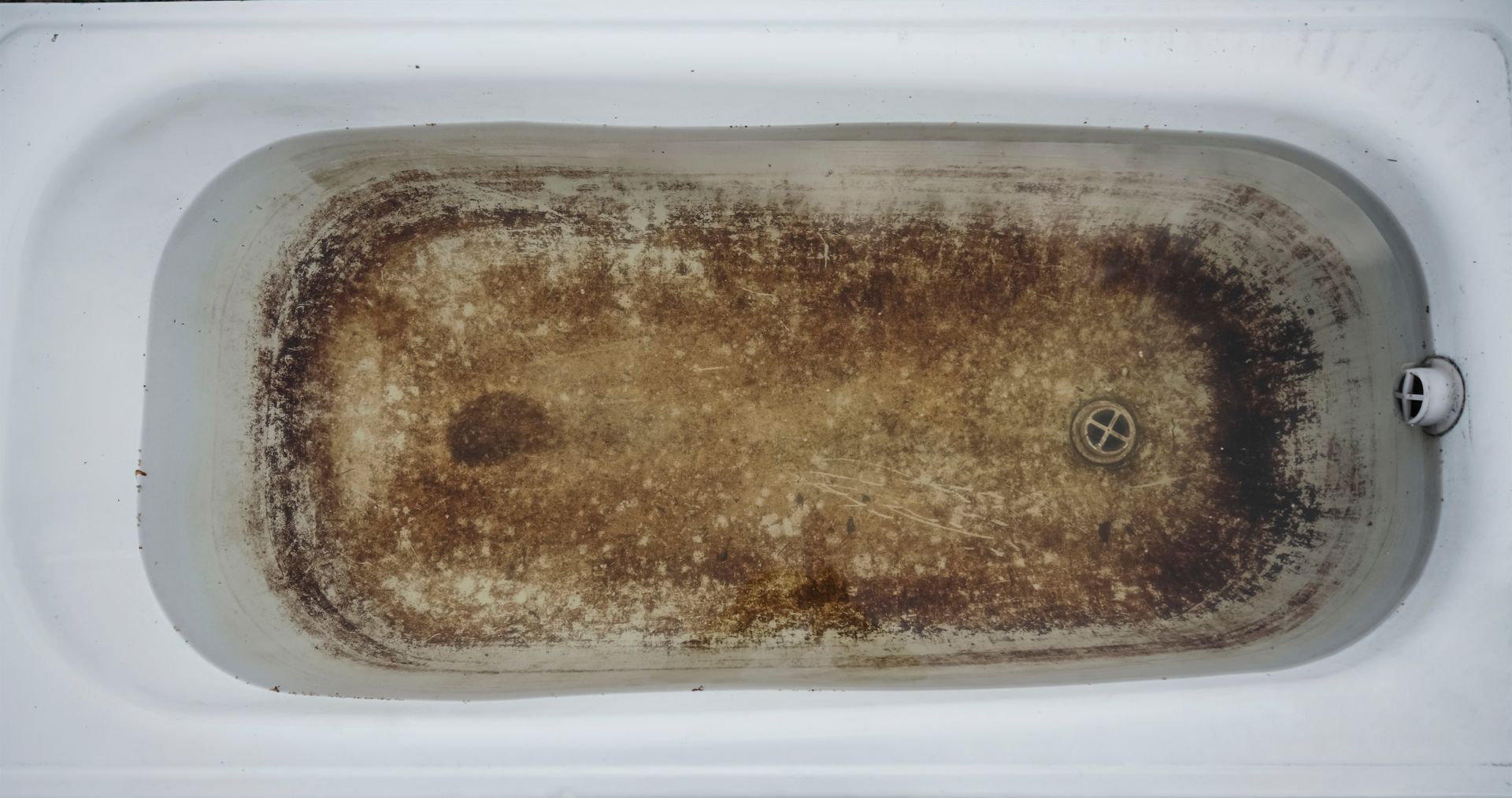
Rust can be an unwelcomed guest in your home's bathrooms, transforming once-pristine porcelain fixtures into unsightly eyesores. Beyond its cosmetic impact, rust can also signify potential plumbing issues. In this blog, we'll look into the reasons rust appears in toilets and bathtubs and share valuable tips on preventing it. By doing so, you can maintain a healthy plumbing system and keep your bathroom looking fresh and clean.
Why Does Rust Develop in Toilets and Bathtubs?
Rust, scientifically known as iron oxide, forms as a result of iron or steel corrosion. It can manifest in your bathroom fixtures for several reasons:
1. Water Quality: When water contains high levels of iron or minerals, it can trigger rust formation as the iron reacts with oxygen.
2. Aging Pipes: Older or corroded iron or steel pipes can release iron particles into the water, leading to rust buildup in your fixtures.
3. Damage Enamel: Chips or cracks in the enamel coating of your toilet or bathtub can expose the underlying metal, making it susceptible to rust.
The Risks Associated with Rust in Plumbing
While rust may appear minor, it can have more significant implications for your plumbing system:
1. Reduced Lifespan: Rust can corrode pipes and fixtures, potentially shortening their lifespan and necessitating costly replacement.
2. Water Quality Issues: Rust can alter the taste and odor of your water, making it less appealing for drinking and bathing.
3. Increased Maintenance Cost: Addressing rust-related issues can lead to frequent plumbing repairs and maintenance expenses.
Tips to Prevent Rust and Maintain Plumbing Health
Here are a few practical steps that you can take to prevent rust and ensure the health of your plumbing system:
1. Install a Water Softener: A water softener can help reduce mineral content in your water, lowering the risk of rust formation.
2. Regular Cleaning: Clean your toilet and bathtub regularly using non-abrasive cleaners to prevent rust stain accumulation.
3. Repair Enamel Damage: Promptly repair or refinish any chips or cracks in your fixtures' enamel to prevent rust from taking hold.
4. Replace Aging Pipes: Consider replacing older iron or steel pipes with corrosion-resistant materials like PVC or copper.
5. Use Rust Inhibitors: Certain commercial products can help prevent rust formation. These can be applied to your fixtures or introduced into your water supply.
6. Schedule Annual Plumbing Inspections: Arrange for an annual plumbing inspection to catch any rust-related issues early and address them proactively.
7. Ensure Clean Drinking Water: If you observe rust in your water supply, contemplate installing a water filter for drinking and cooking purposes.
Rust in your toilets and bathtubs isn't merely a cosmetic inconvenience; it can serve as a warning sign of underlying plumbing concerns. By understanding the root cause of rust, taking preventative measures, and promptly addressing any issues that arise, you can maintain a healthy plumbing system, extend the lifespan of your fixtures, and enjoy clean, rust-free water in your home. Regular maintenance and water quality management are key to achieving a rust-free, fully functional plumbing system.
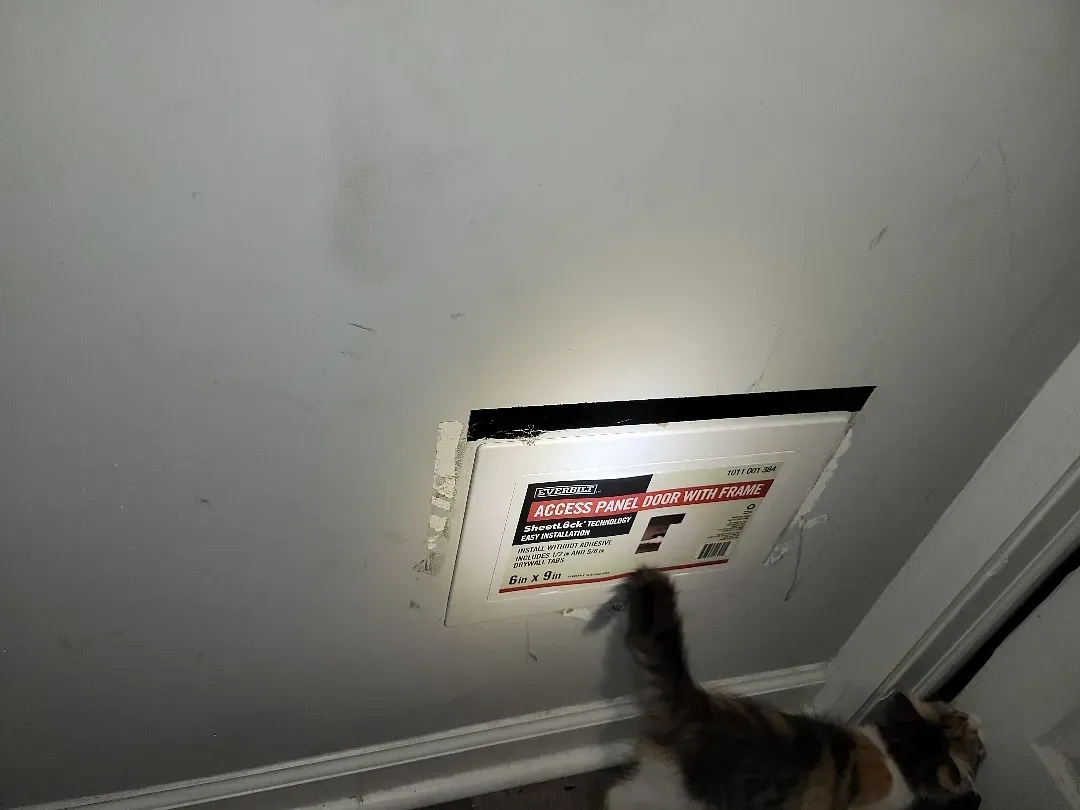
Learn why a plumbing access panel matters during renovations and how proper access to concealed valves, showers, rubs, cleanouts and pumps can prevent unnecessary wall damage and repair costs.
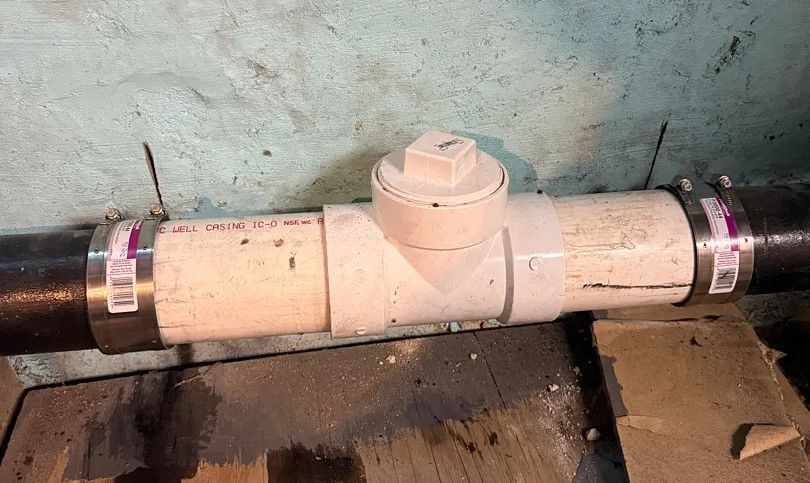
Learn why plumbing cleanouts matter, where to find them, and how they help plumbers clear drain and sewer clogs faster in Philadelphia homes.
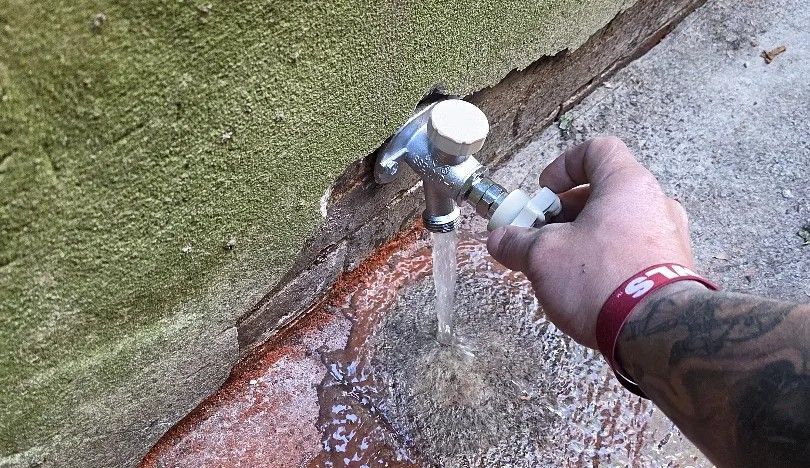
Learn why your outdoor spigot keeps dripping, common hose bib problems, signs of freeze damage, and when repair or replacement may be the best option.
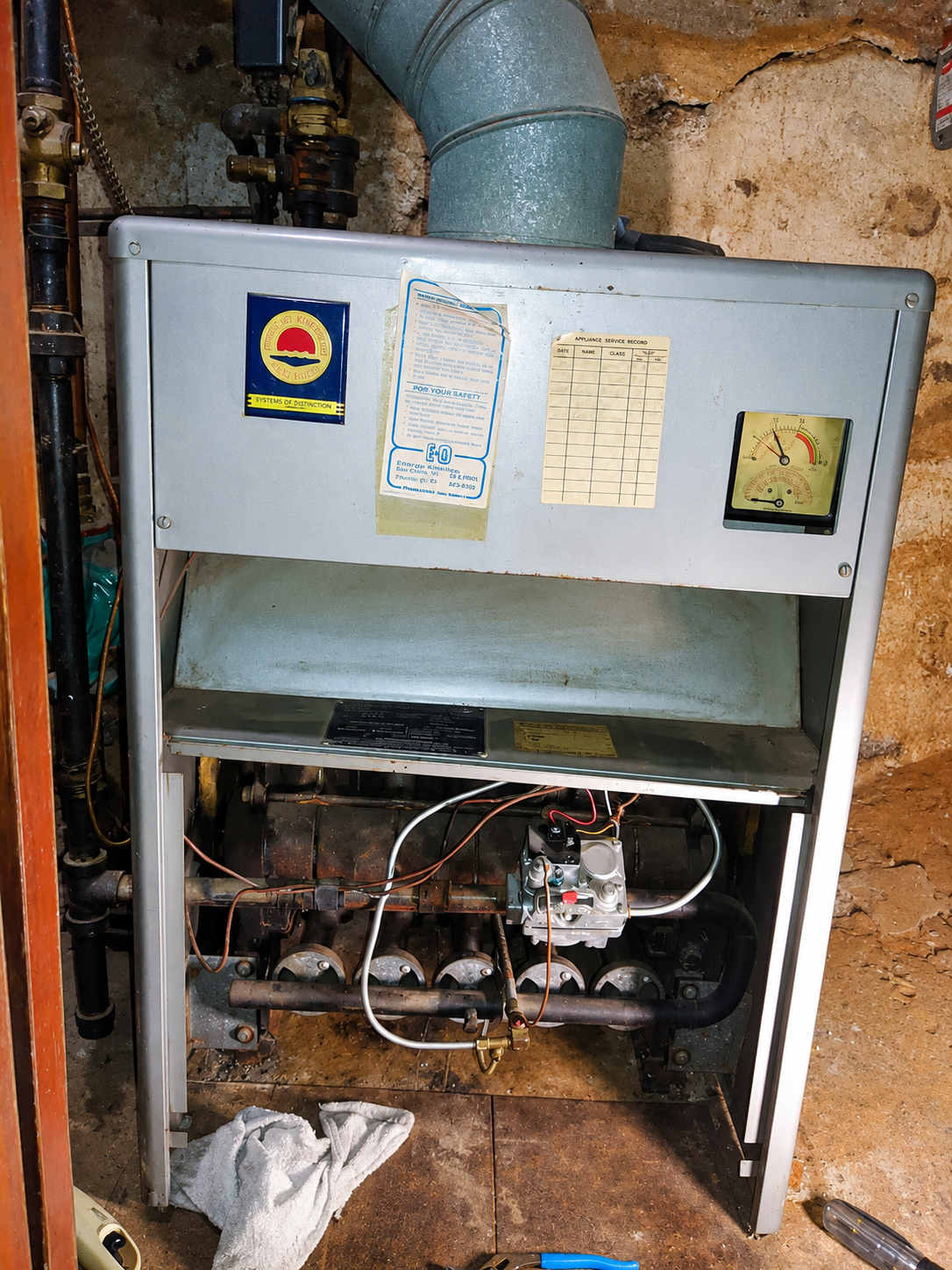
Prepare your Philadelphia home for heating season with this boiler startup checklist covering leaks, pressure, radiators, thermostats and annual service.
Every homeowner should know where their main water shutoff valve is. Learn how to located, identify, label, and safely test it before a plumbing emergency.
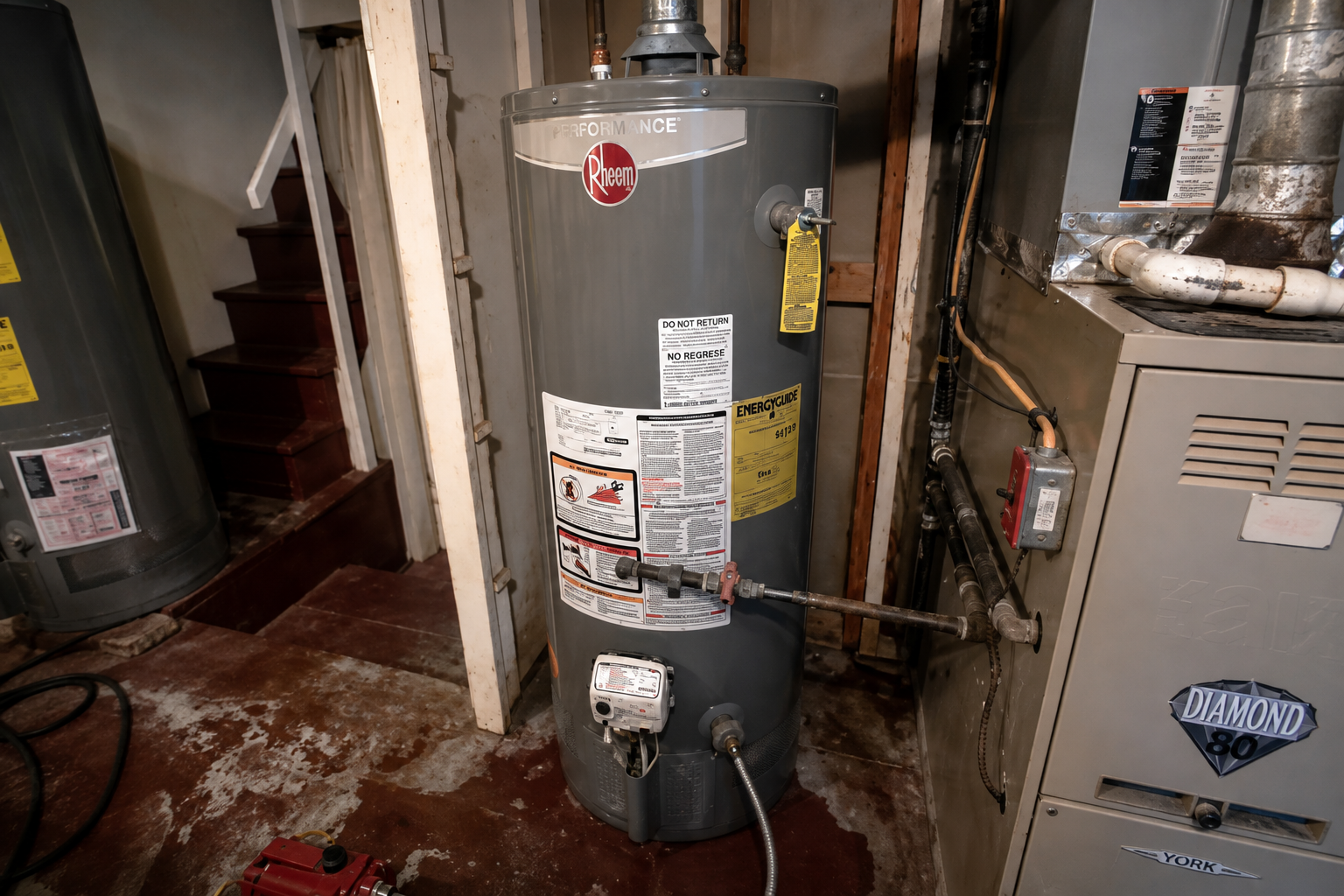
Learn the common reasons water heaters fail, warning signs to watch for, and when to consider repair or replacement. Water heater service in Philadelphia.
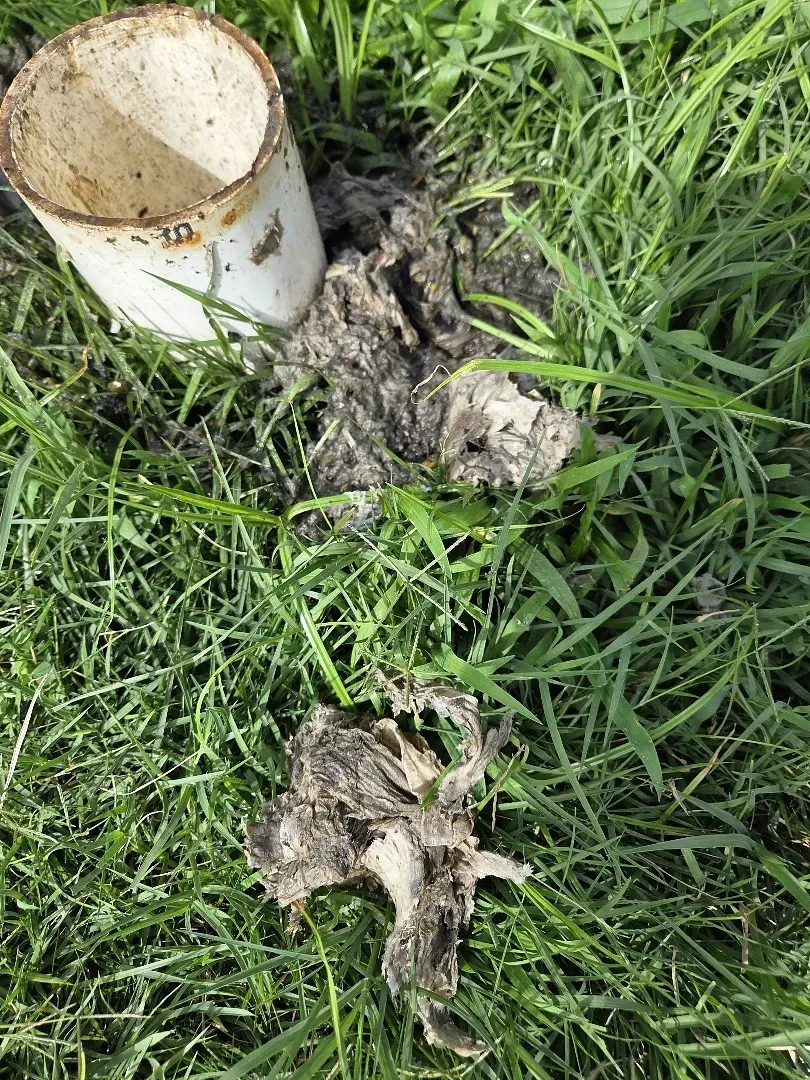
Learn 8 things you should never flush down the toilet and how they can cause clogged drains, sewer backups, and costly plumbing problems.
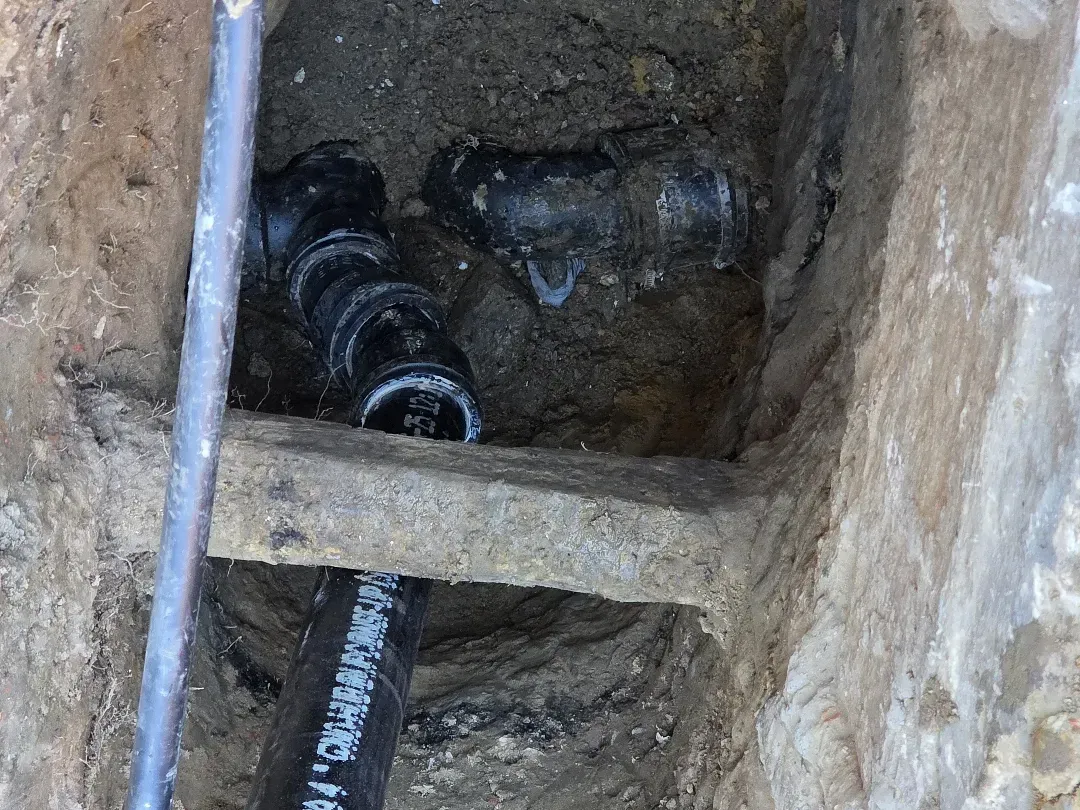
Learn why older cast iron sewer lines fail, the warning signs of deterioration, and when replacement may be the best long-term solution. Aqua Plumbing & Heating, LLC.
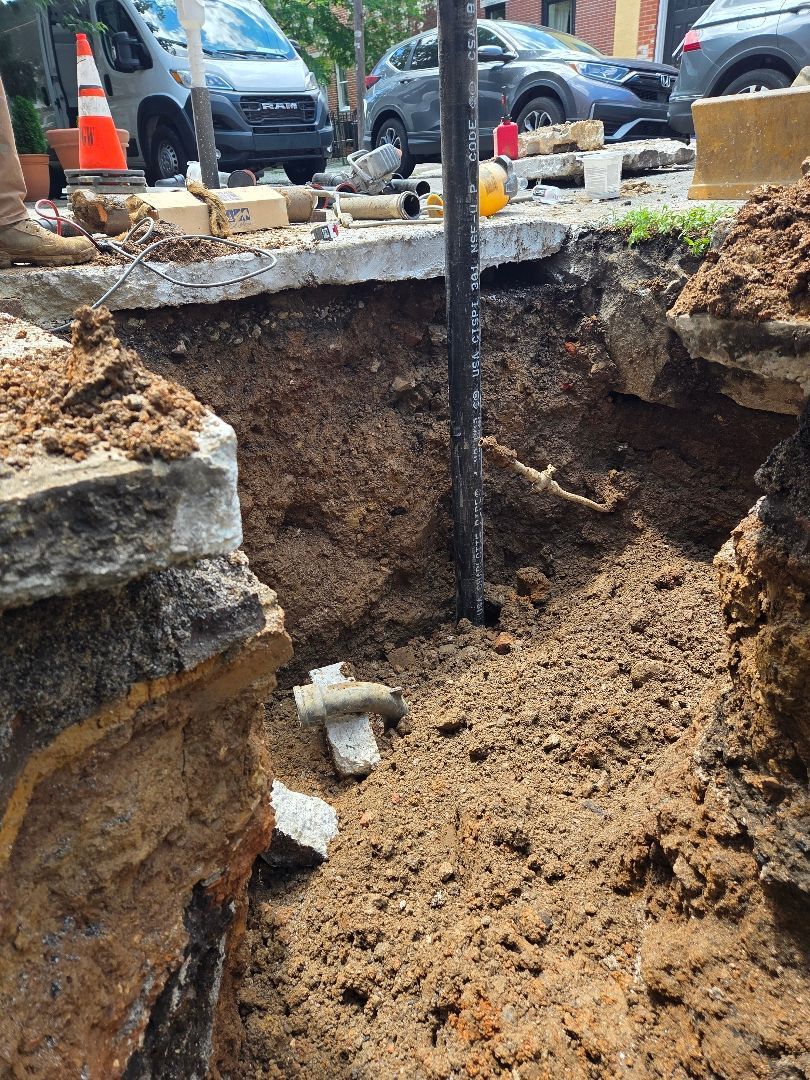
Learn the top three warning signs that your main sewer line may need replacement, including recurring backups, tree root intrusion, and multiple drain clogs. Plus, save $50 on sewer replacements through August 22, 2026.
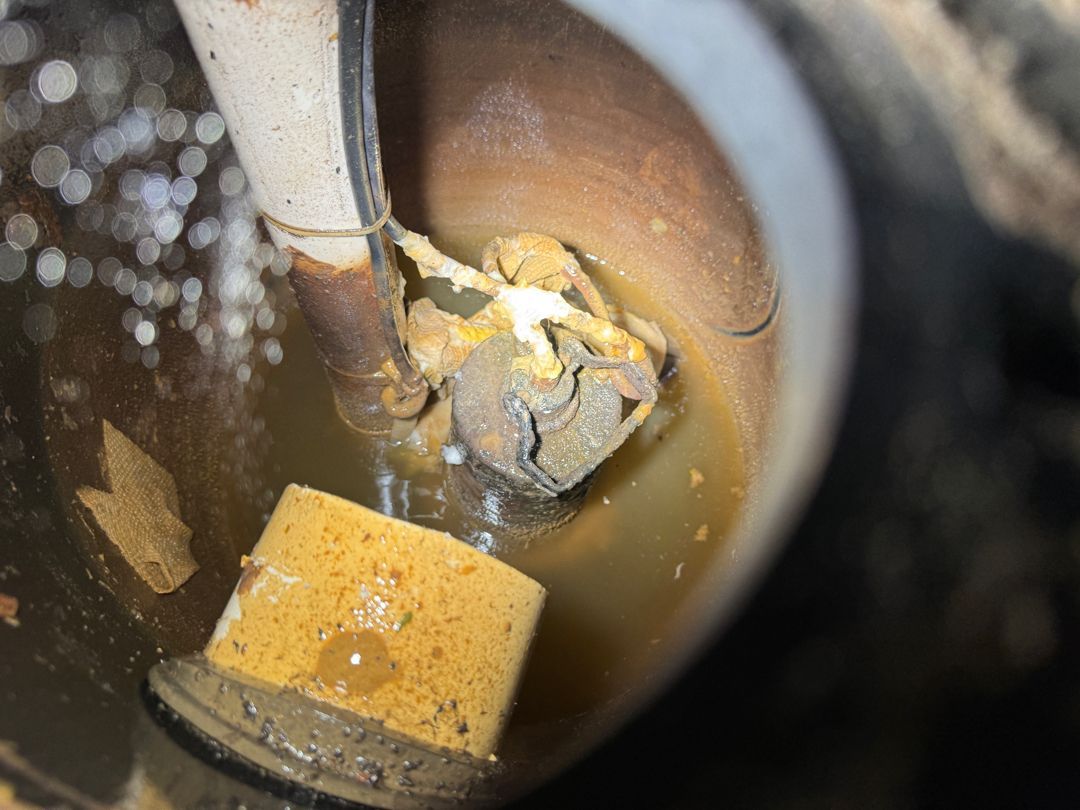
Wondering why your basement smells like sewer? Learn the most common causes, including failed wax seals, dry floor drains, vent problems, and sewer line issues, and when to call a plumber.