The Greasy Truth
Aqua Plumbing & Heating, LLC. • October 11, 2023
Why Pouring Grease Down Your Drain Spells Trouble and When to Summon a Plumber
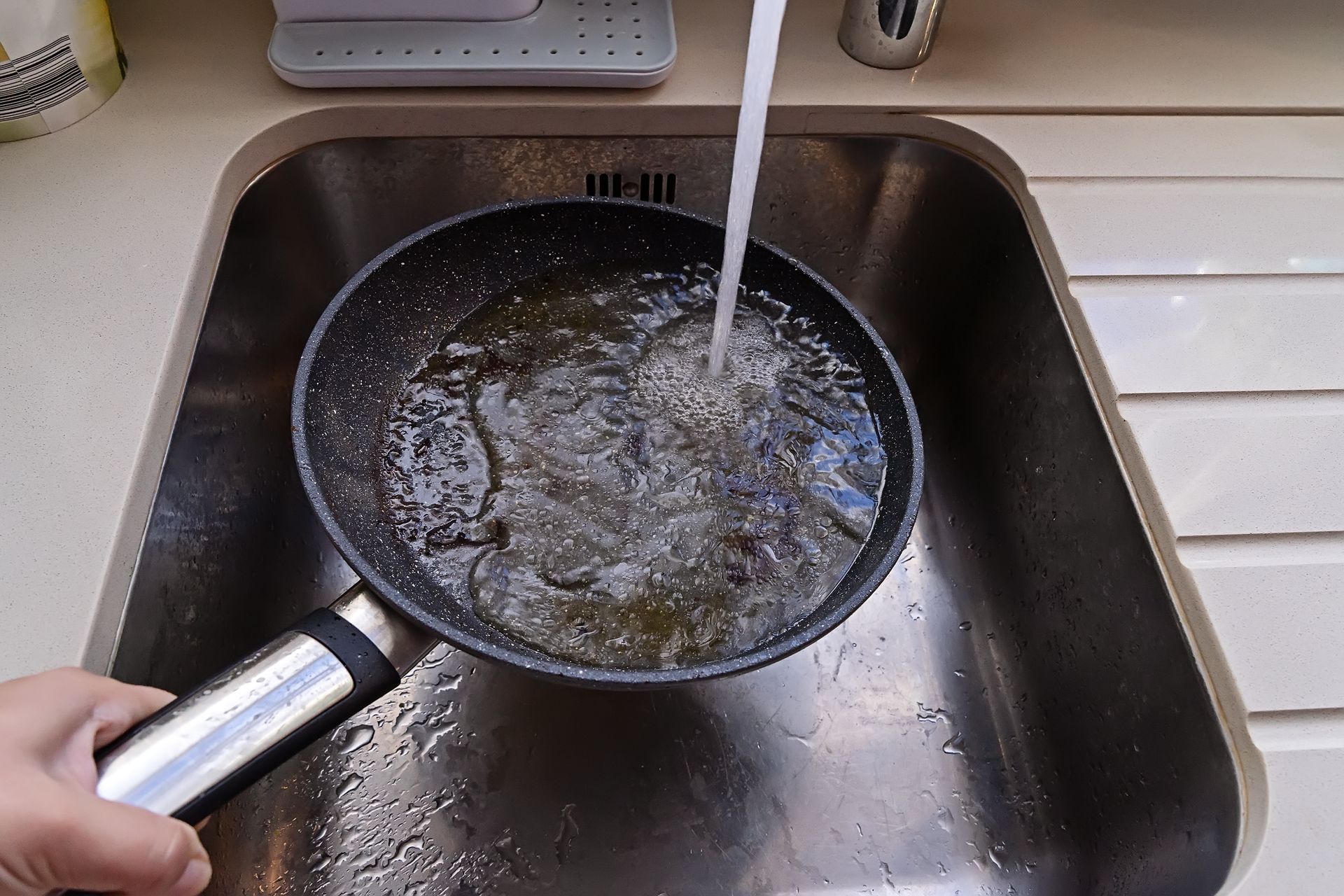
Pouring grease down your drain may seem like the most convenient way to dispose of cooking byproducts, but it can lead to costly and messy plumbing issues. In this comprehensive guide, we will list a few reasons as to why you should steer clear of this kitchen convenience, the dire consequences it can bring, and crucially, when it's time to enlist the expertise of a professional plumber to tackle plumbing issues arising from grease buildup.
Part One: The Perils of Pouring Grease Down the Drain
1. Pipe Clogs: When grease is nonchalantly introduced to your plumbing system, it may start as a liquid, but as it cools, it undergoes a transformative process, solidifying into a troublesome menace. Over time, this solidified grease can accumulate within your pipes, forging stubborn clogs that hinder the flow of wastewater. These clogs can be responsible for the aggravating ordeal of slow-draining sinks, showers, and toilets.
2. Foul Odors: As grease builds up and decays within your pipes, it doesn't just create blockages; it produces a noxious stench that can infiltrate every nook and cranny of your home. Eliminating these odors can be an arduous task, and their presence can significantly impact your indoor air quality.
3. Damage to Plumbing System: Grease isn't just an inconvenience; it's a corrosive force that can wreak havoc on your plumbing pipes and fixtures. Over time, it gnaws away at the structural integrity of your plumbing system, potentially leading to leaks and necessitating costly repairs.
4. Environmental Impact: Once introduced to the sewer system, grease combines with other substances to form ominous "fatbergs". These monstrous accumulations of grease and debris can obstruct sewage pipes and trigger sewage overflows, constituting significant environmental hazards.
Part Two: Alternatives to Disposing of Grease
Instead of taking the ill-fated path of pouring grease down the drain, consider these alternative methods for disposing of it safely:
1. Use a Grease Container: Adopt the responsible approach and embrace the practice of keeping a designated container, such as an empty glass jar or metal can to collect cooled grease. Once it solidifies, securely seal the container and deposit it in the trash, steering clear of plumbing issues.
2. Wipe Cookware: Prudent precaution prior to commencing your dishwashing routine by employing the habit of wiping away excess grease and food particles from pots, pans, and plates using a paper towel. This simple action will diminish the volume of grease that infiltrates your plumbing system.
3. Recycling: Environmentally conscious disposal in certain regions have recycling programs that exist and accept used cooking oil and grease. It's worth your while to investigate whether your local recycling center provides such services.
Part Three: When to Call a Professional Plumber
Despite your best efforts to shield your plumbing from the perils of grease, challenges may still arise. Keep an eye out for these telltale signs that it's time to summon a professional plumber:
1. Slow Drainage: If you notice sluggish drainage across multiple sinks, showers, or toilets, this may indicate that a significant clog is lurking deep within your plumbing system.
2. Foul Odors: Foul odors emanating from your drains, despite your best cleaning efforts, could be a clear sign of a grease buildup within your pipes.
3. Repeated Clogs: Clogs occurring within the same drain may point to a chronic issue that necessitates professional intervention.
4. Water Leaks: If you suspect that grease has corroded your pipes and induced leaks, prompt action is imperative to prevent water damage.
5. Sewage Back-Ups: In severe cases, grease build up can culminate in sewage backups. If you witness sewage resurfacing through your drains, seek professional assistance immediately to avert a plumbing disaster.
While pouring grease down your drain may offer a momentary convenience, the long-term risks far outweigh the short-lived benefits. The consequences include clogs, persistent odors, plumbing damage, and serious environmental issues. Instead, adopt responsible disposal practices to safeguard your plumbing system and the environment. Should you encounter persistent plumbing issues stemming from grease, do not hesitate to contact the pros at Aqua Plumbing & Heating, LLC. Armed with expertise and specialized tools, we are able to diagnose and address these issues, ensuring the health and longevity of your plumbing system.
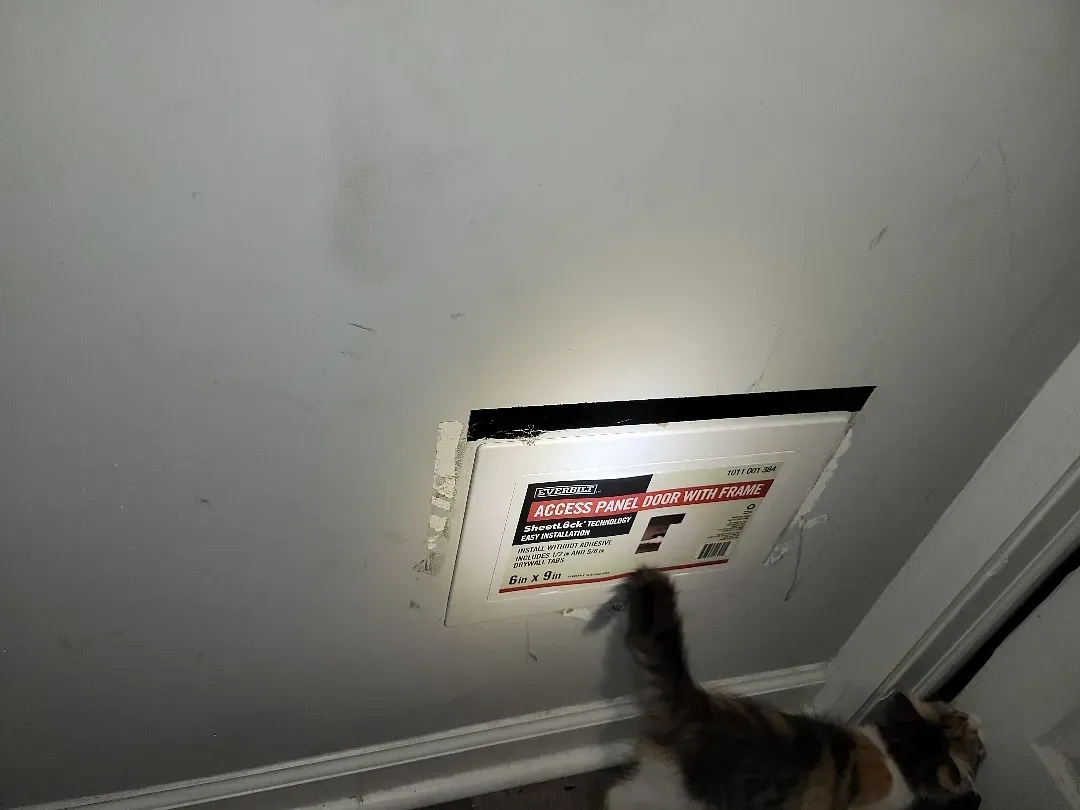
Learn why a plumbing access panel matters during renovations and how proper access to concealed valves, showers, rubs, cleanouts and pumps can prevent unnecessary wall damage and repair costs.
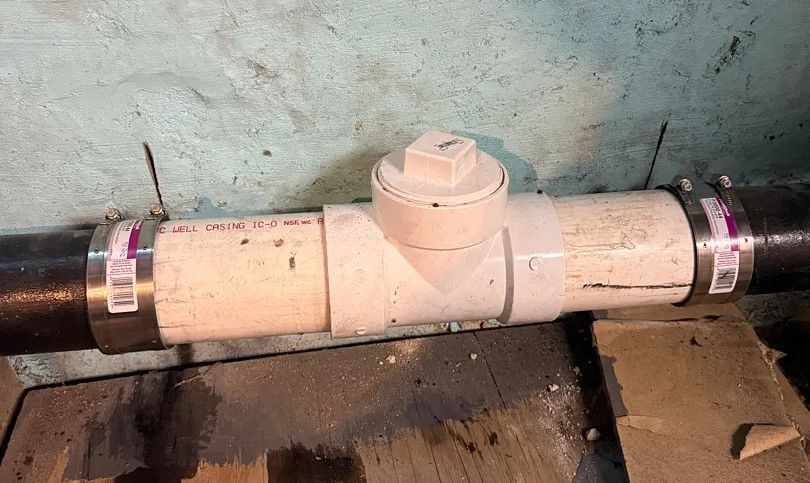
Learn why plumbing cleanouts matter, where to find them, and how they help plumbers clear drain and sewer clogs faster in Philadelphia homes.
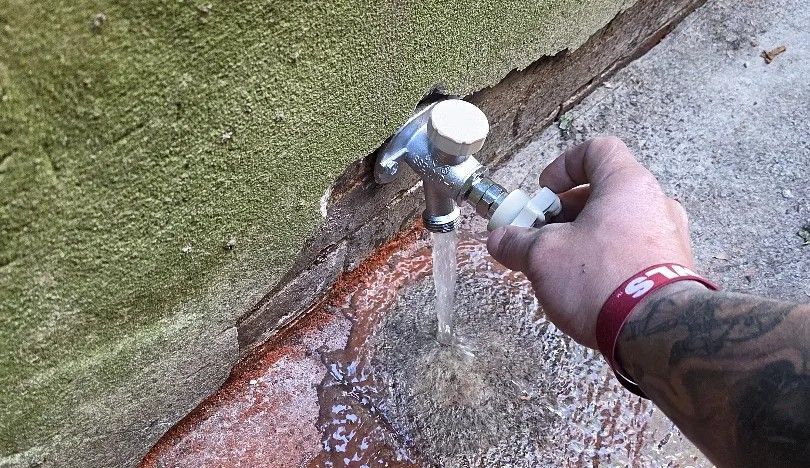
Learn why your outdoor spigot keeps dripping, common hose bib problems, signs of freeze damage, and when repair or replacement may be the best option.
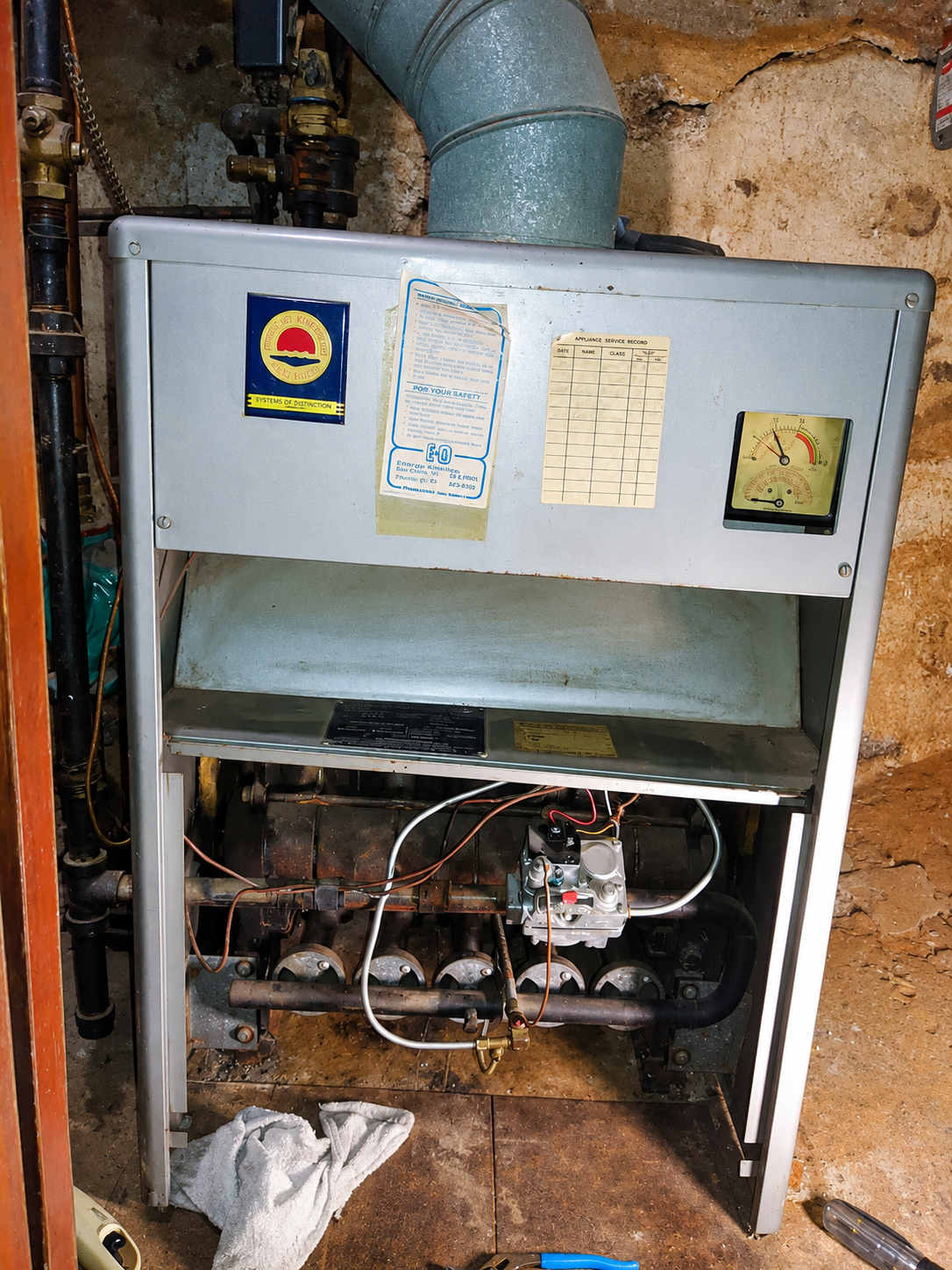
Prepare your Philadelphia home for heating season with this boiler startup checklist covering leaks, pressure, radiators, thermostats and annual service.
Every homeowner should know where their main water shutoff valve is. Learn how to located, identify, label, and safely test it before a plumbing emergency.
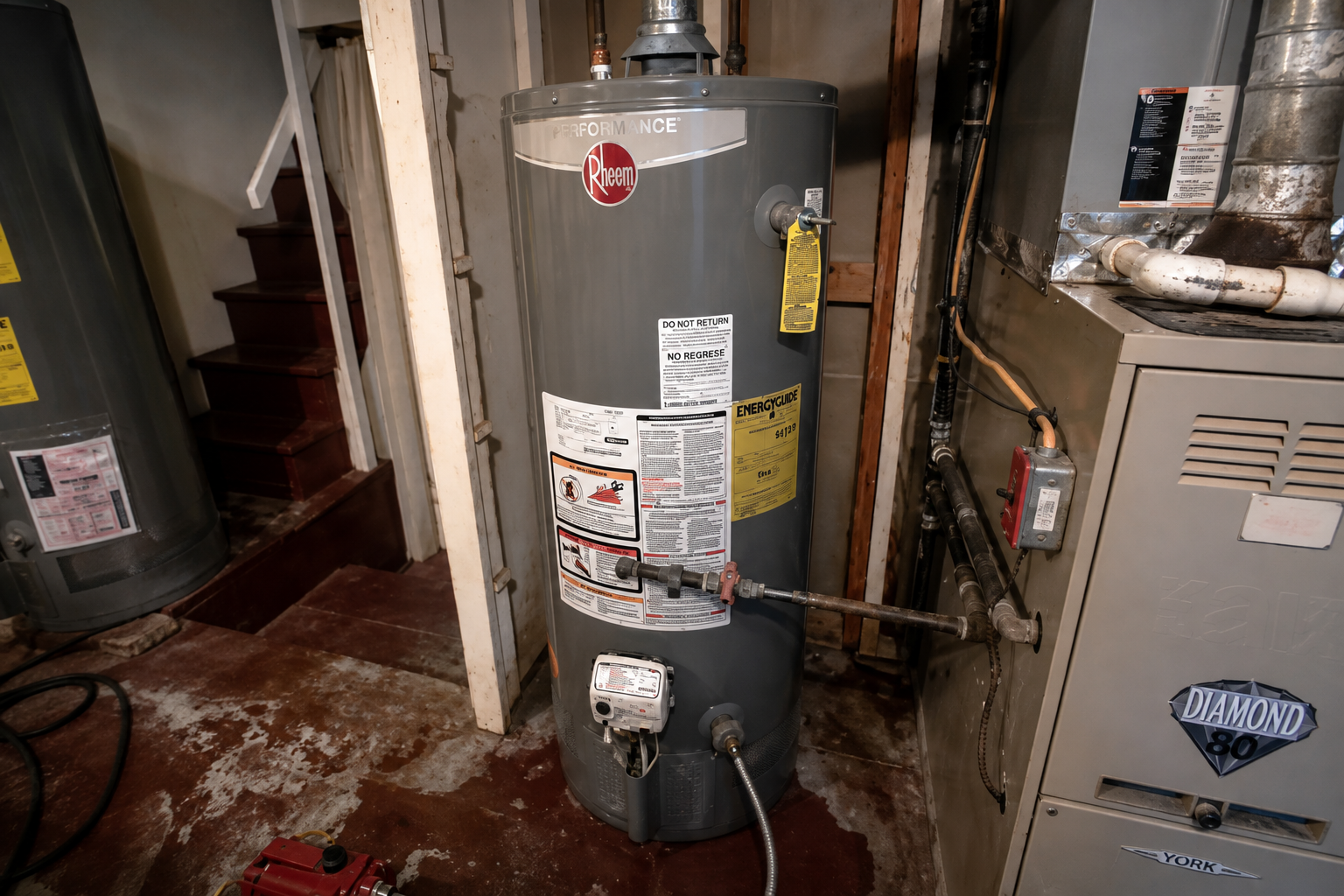
Learn the common reasons water heaters fail, warning signs to watch for, and when to consider repair or replacement. Water heater service in Philadelphia.
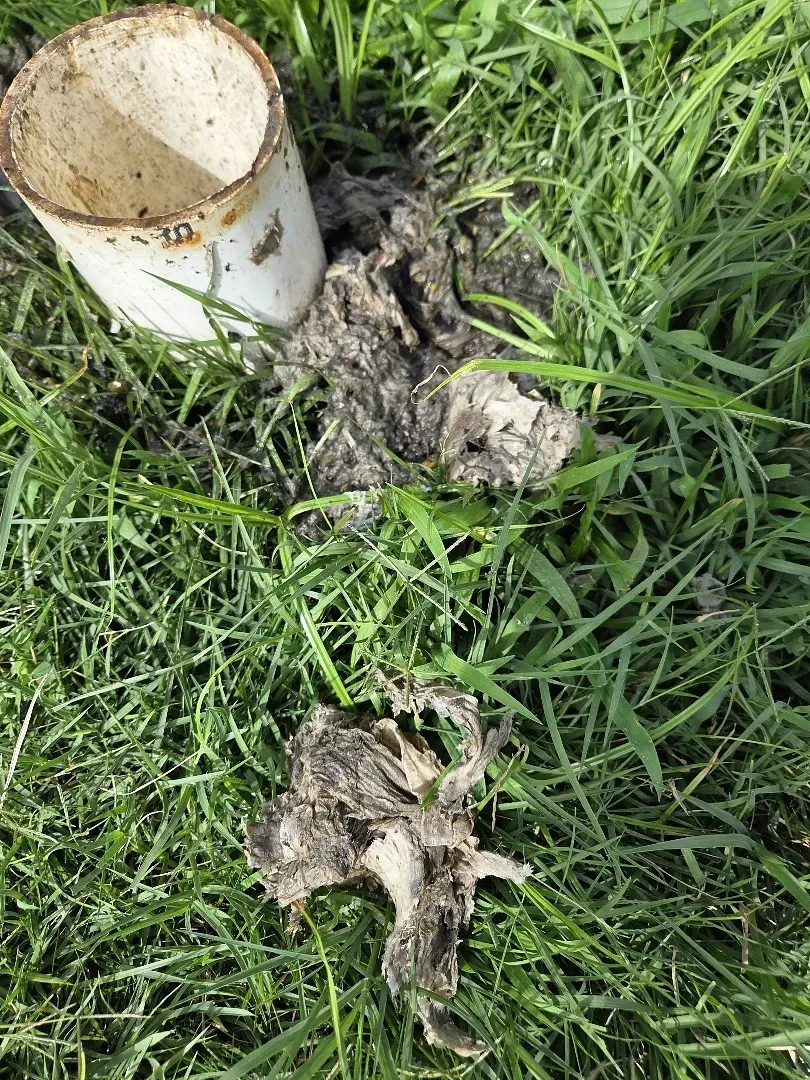
Learn 8 things you should never flush down the toilet and how they can cause clogged drains, sewer backups, and costly plumbing problems.
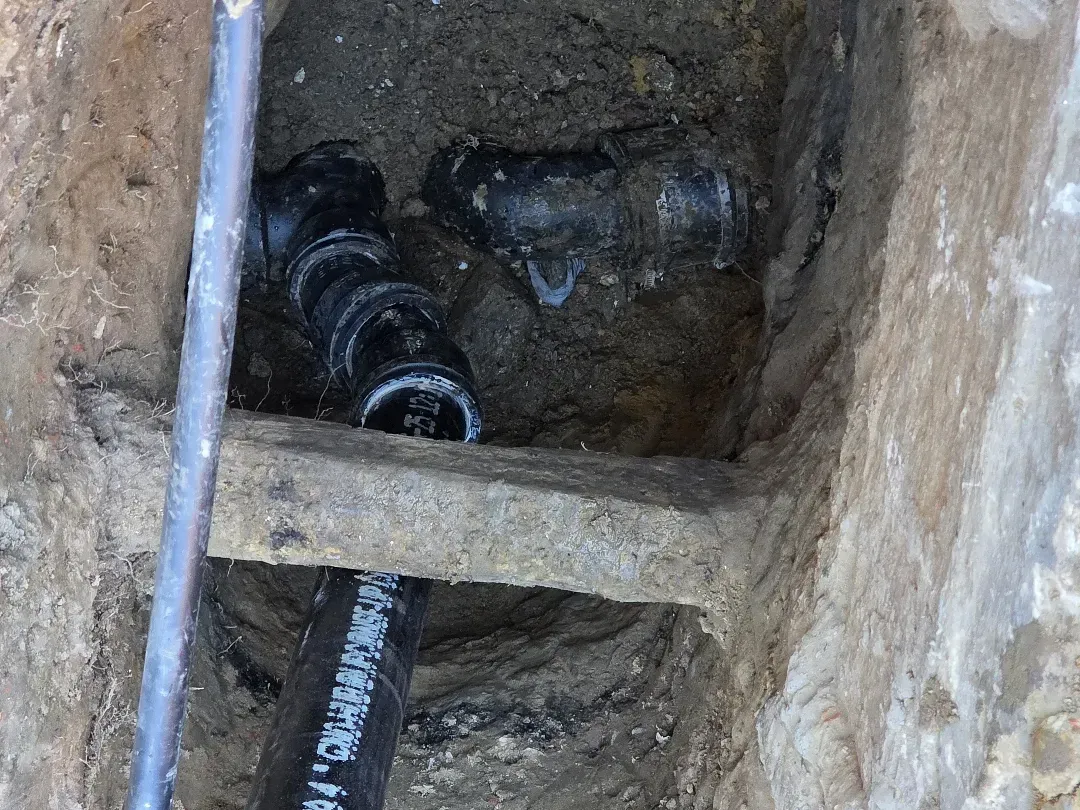
Learn why older cast iron sewer lines fail, the warning signs of deterioration, and when replacement may be the best long-term solution. Aqua Plumbing & Heating, LLC.
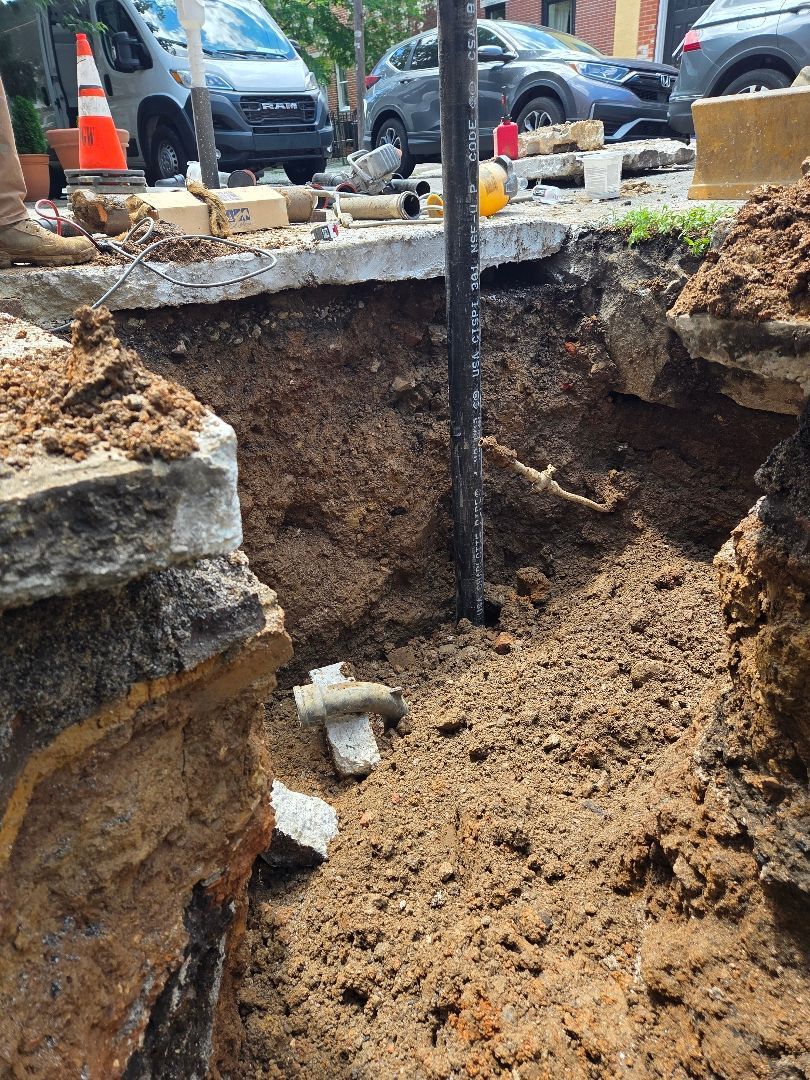
Learn the top three warning signs that your main sewer line may need replacement, including recurring backups, tree root intrusion, and multiple drain clogs. Plus, save $50 on sewer replacements through August 22, 2026.
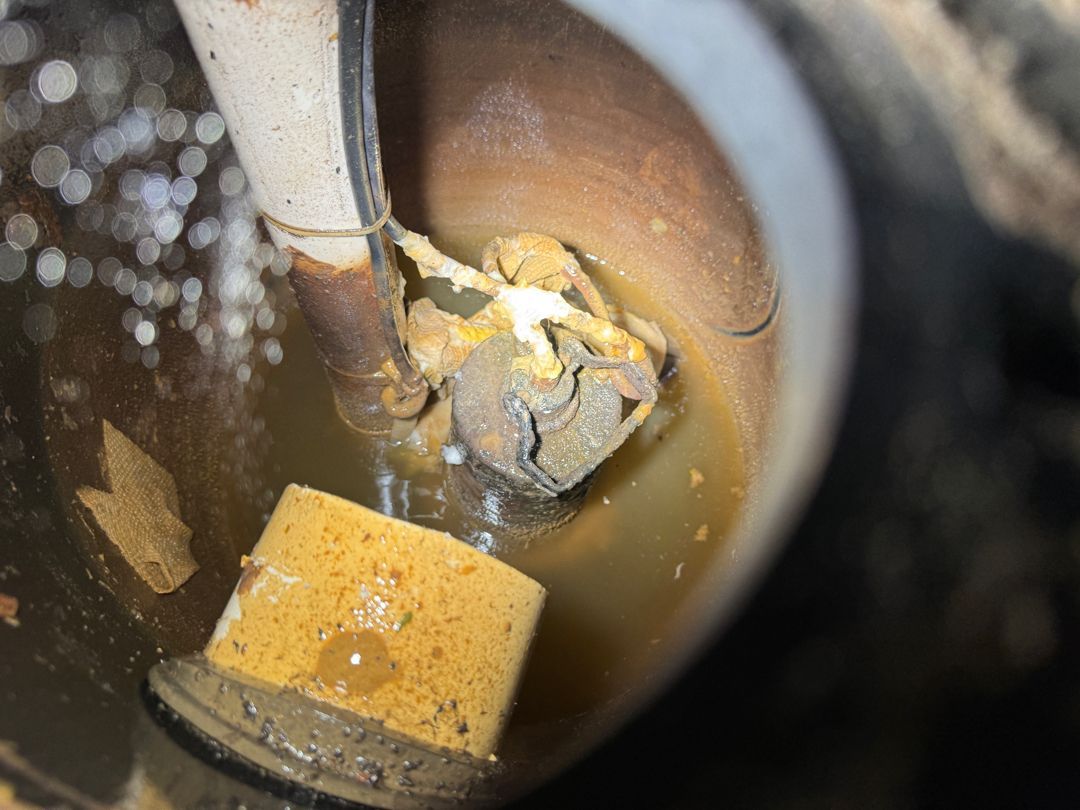
Wondering why your basement smells like sewer? Learn the most common causes, including failed wax seals, dry floor drains, vent problems, and sewer line issues, and when to call a plumber.