Decoding Water Quality: What You Must Know
Aqua Plumbing & Heating, LLC. • November 15, 2023

Water, the elixir of life, is a fundamental necessity for our well-being. The water we use and consume daily directly influences our health. However, the water that flows from our taps isn't always pristine. Various factors can influence water quality, and comprehending these elements is crucial for ensuring safe and clean water. In this blog, we embark on a journey to unravel the key factors that impact the quality of the water you use in your home.
The Source of Your Water
The origin of your water plays a pivotal role in shaping its quality. Water can be sourced from various reservoirs:
1. Surface Water: This includes water from rivers, lakes, and reservoirs. However, surface water quality can be marred by pollution, agricultural runoff, and natural contaminants.
2. Groundwater: Wells tap into underground aquifers. Groundwater is generally less prone to contamination from surface pollutants but may contain naturally occurring minerals.
3. Municipal Supply: Urban areas often receive water from a municipal supply, which is treated to meet safety standards. Yet, the quality can still be influenced by aging infrastructure and distribution systems.
The Culprits: Contaminants
Contaminants are substances that taint water, making it impure or unsafe. They can stem from various sources, including industrial processes, agricultural runoff, and household activities. Common contaminants comprise:
1. Microorganisms: Bacteria, viruses, and parasites can render water unsafe to drink. Water treatment processes are employed to address these concerns.
2. Chemicals: These may include pesticides, heavy metals, pharmaceuticals, and industrial chemicals. They often find their way into the water supply from agricultural and industrial activities.
3. Sediment and Turbidity: Soil erosion, construction, and storms can escalate sediment levels in water, rendering it cloudy or turbid.
4. Minerals: Natural minerals such as calcium, magnesium, and iron can influence the taste, appearance, and even the functionality fo water-using appliances.
5. Chlorine and Disinfection Byproducts: Chlorine is a common disinfectant in water treatment, but it can react with organic matter to form disinfection byproducts, potentially posing health risks.
6. Lead and Other Metals: Aging plumbing systems can release lead and other metals into the water, raising grave health concerns.
Environmental Forces at Play
Natural environmental factors also exert an influence on water quality. These include:
1. Drought: Reduced water flow in riveers and streams can lead to the concentration of pollutants and reduced dilution.
2. Flooding: Excessive rainfall can overwhelm wastewater treatment facilities, culminating in the contamination of water sources.
3. Climate Change: Altered weather patterns, rising temperatures, and shifting precipitation levels can impact water quality.
The Aging Infrastructure Factor
The quality of water can be compromised as it traverses aging infrastructure. Old pipes have the potential to leach contaminants into the water, and deteriorating systems may result in leaks and contamination.
Proactive Measures for Pristine Water
To ensure the water in your home is of the highest quality, consider implementing the following steps:
1. Regular Testing: Periodically test your water for contaminants, especially if you have concerns about specific issues.
2. Filtration Systems: Invest in water filtration systems to remove common contaminants and enhance taste.
3. Boil Water Advisories: If you rely on well water, adhere to boil water advisories during adverse conditions such as flooding.
4. Replace Aging Pipes: If your home has antiquated plumbing, contemplate replacing pipes that may contain lead.
5. Enviromental Responsibility: Be mindful of your environmental impact. Avoid overusing chemicals and pesticides that can contaminate groundwater.
6. Advocate for Water Quality: Support policies and initiatives that safeguard and enhance water quality in your community.
Understanding the factors that impact your water quality is the initial step in securing access to clean and safe water. By staying well-informed and taking proactive measures, you can significantly contribute to the preservation of your health and the environment.
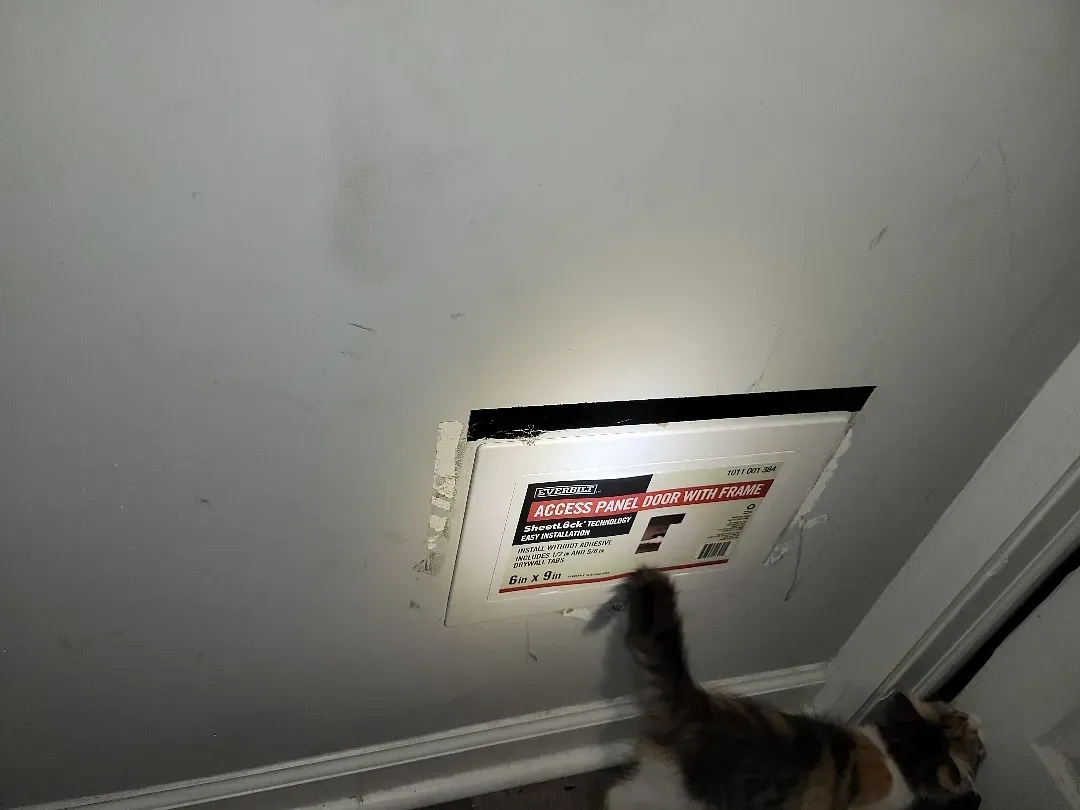
Learn why a plumbing access panel matters during renovations and how proper access to concealed valves, showers, rubs, cleanouts and pumps can prevent unnecessary wall damage and repair costs.
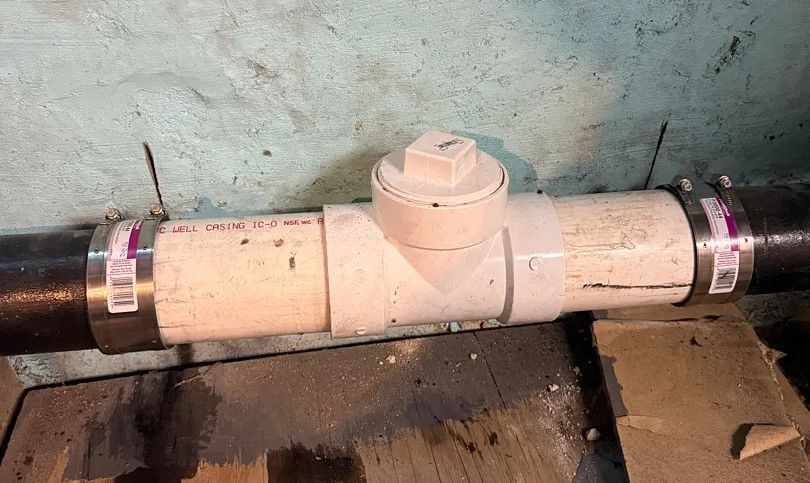
Learn why plumbing cleanouts matter, where to find them, and how they help plumbers clear drain and sewer clogs faster in Philadelphia homes.
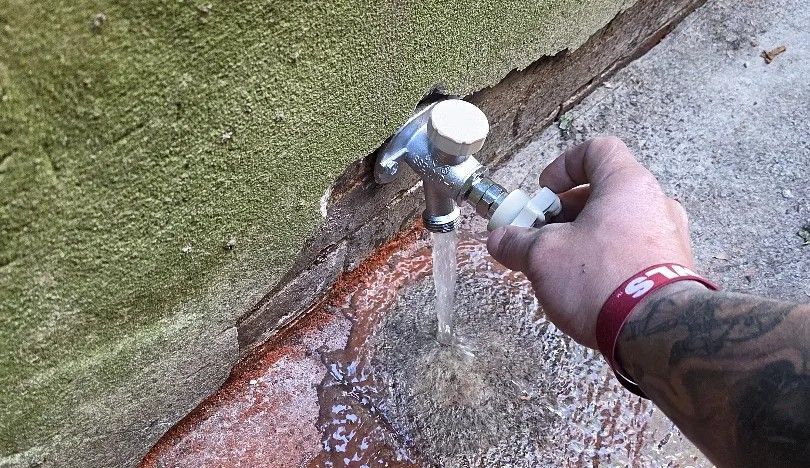
Learn why your outdoor spigot keeps dripping, common hose bib problems, signs of freeze damage, and when repair or replacement may be the best option.
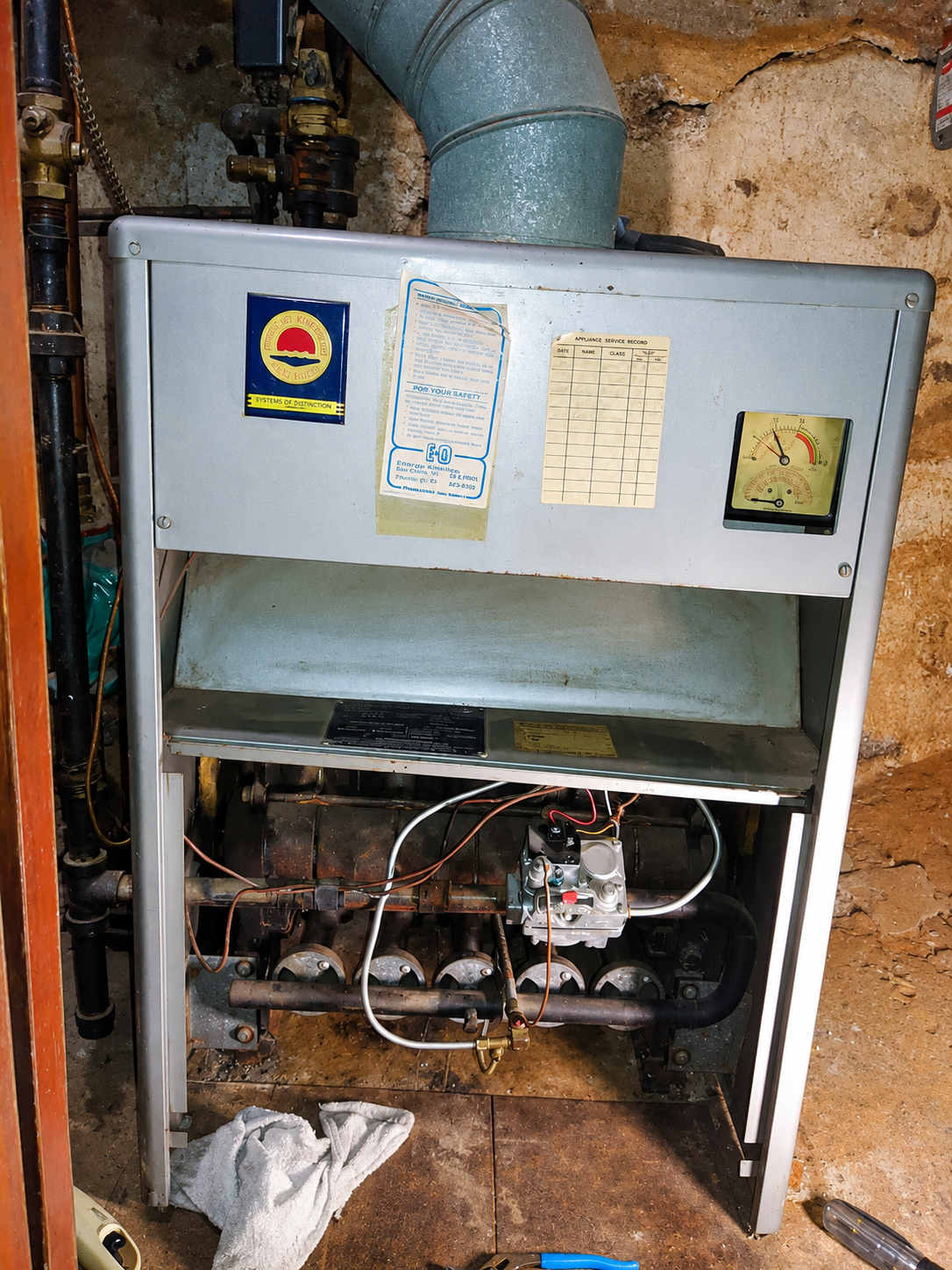
Prepare your Philadelphia home for heating season with this boiler startup checklist covering leaks, pressure, radiators, thermostats and annual service.
Every homeowner should know where their main water shutoff valve is. Learn how to located, identify, label, and safely test it before a plumbing emergency.
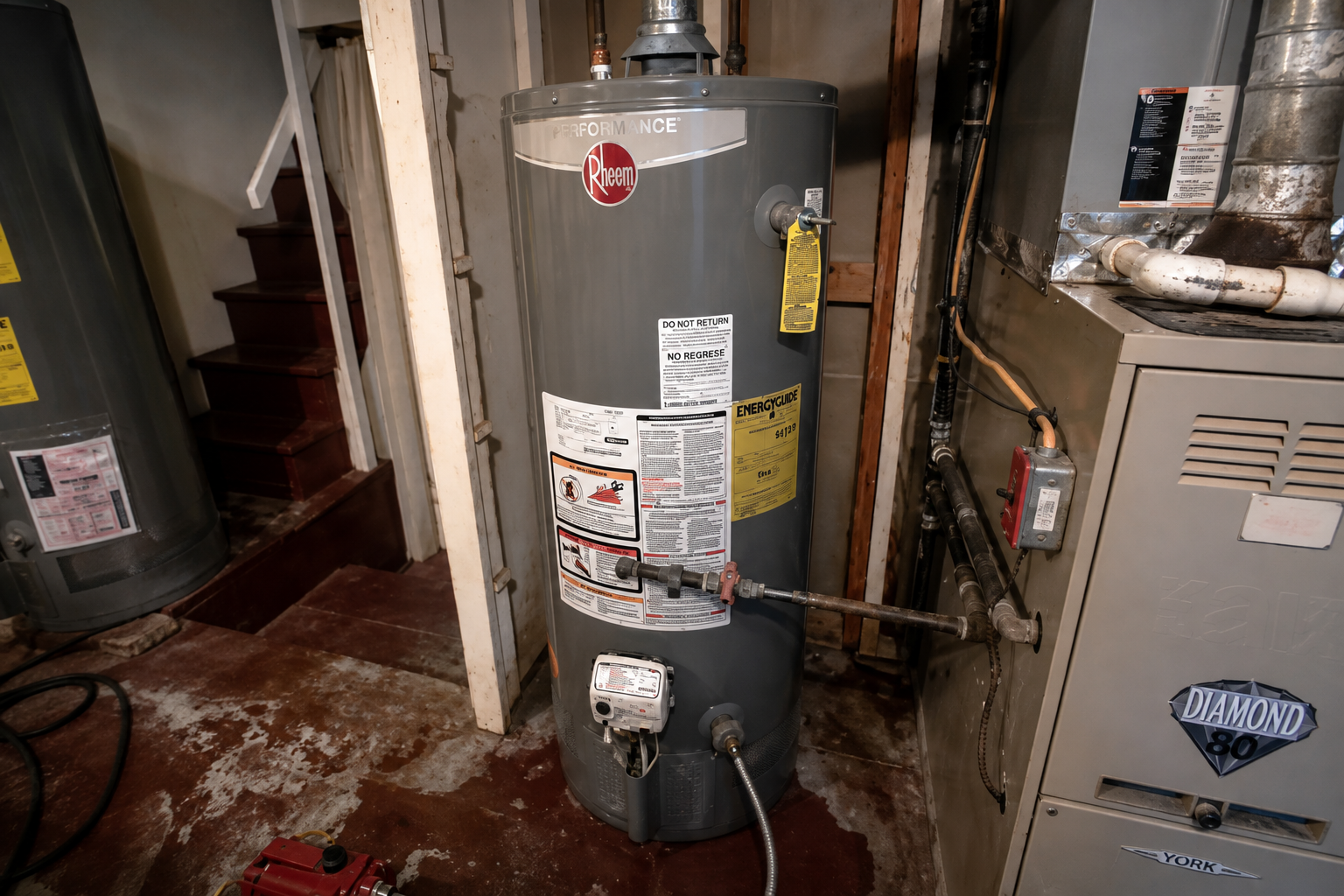
Learn the common reasons water heaters fail, warning signs to watch for, and when to consider repair or replacement. Water heater service in Philadelphia.
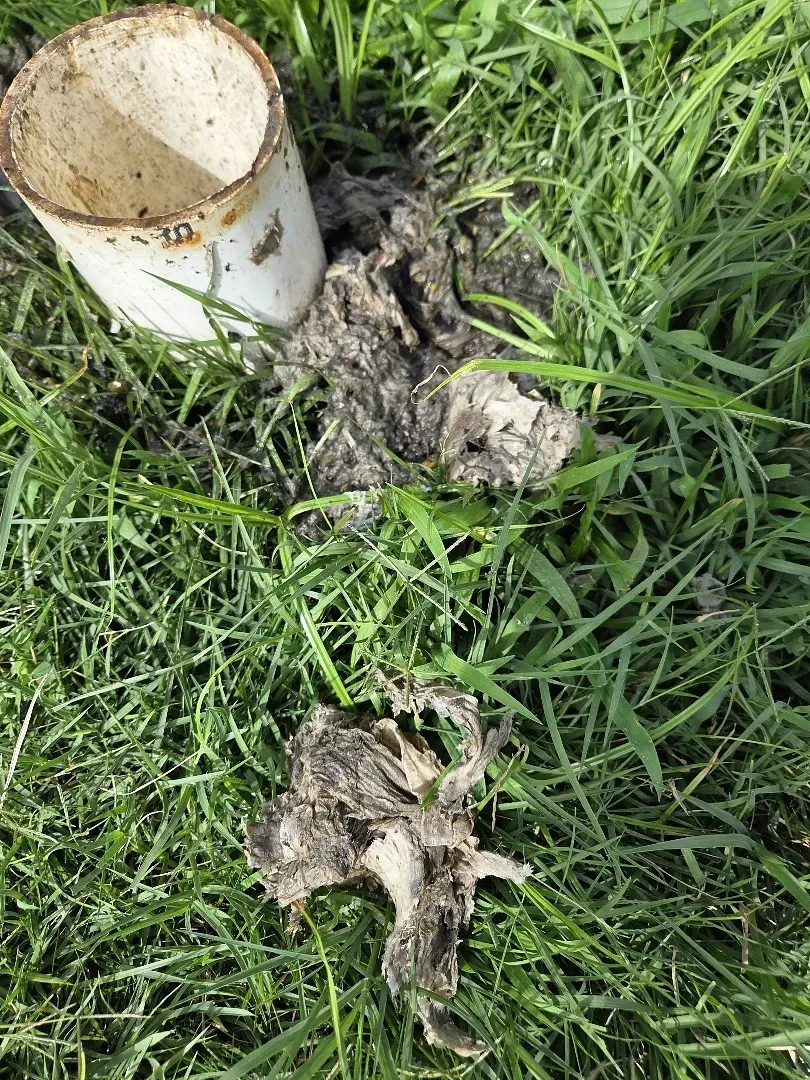
Learn 8 things you should never flush down the toilet and how they can cause clogged drains, sewer backups, and costly plumbing problems.
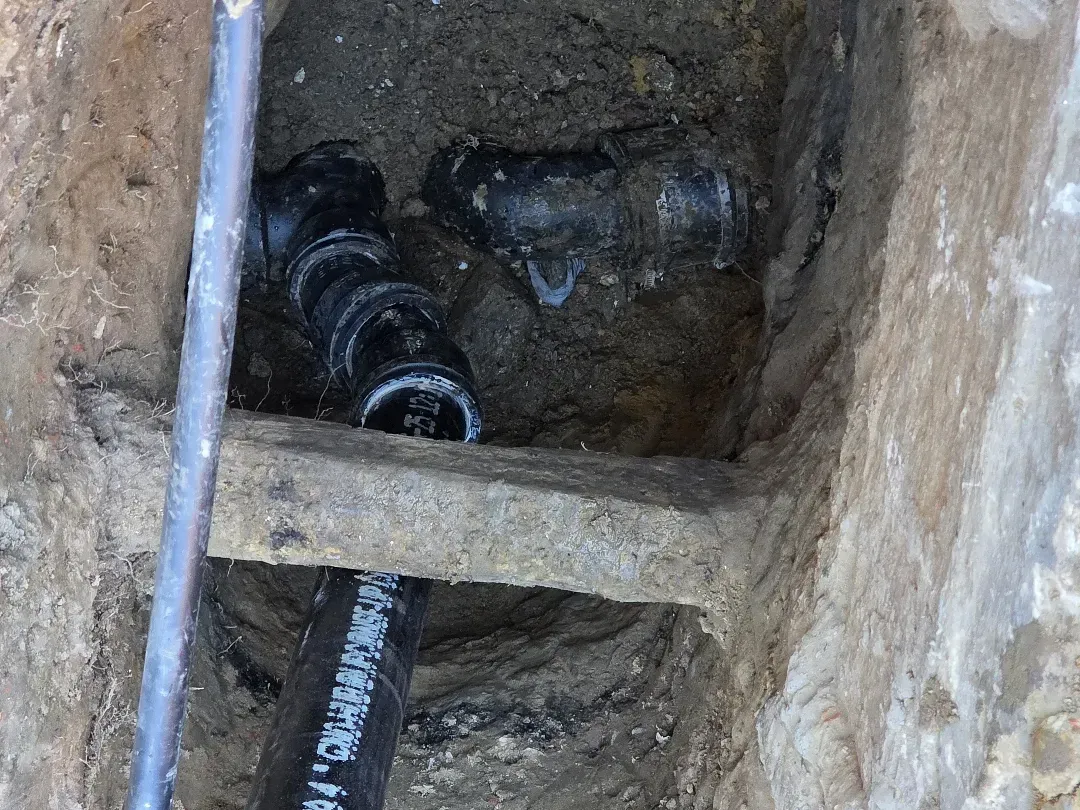
Learn why older cast iron sewer lines fail, the warning signs of deterioration, and when replacement may be the best long-term solution. Aqua Plumbing & Heating, LLC.
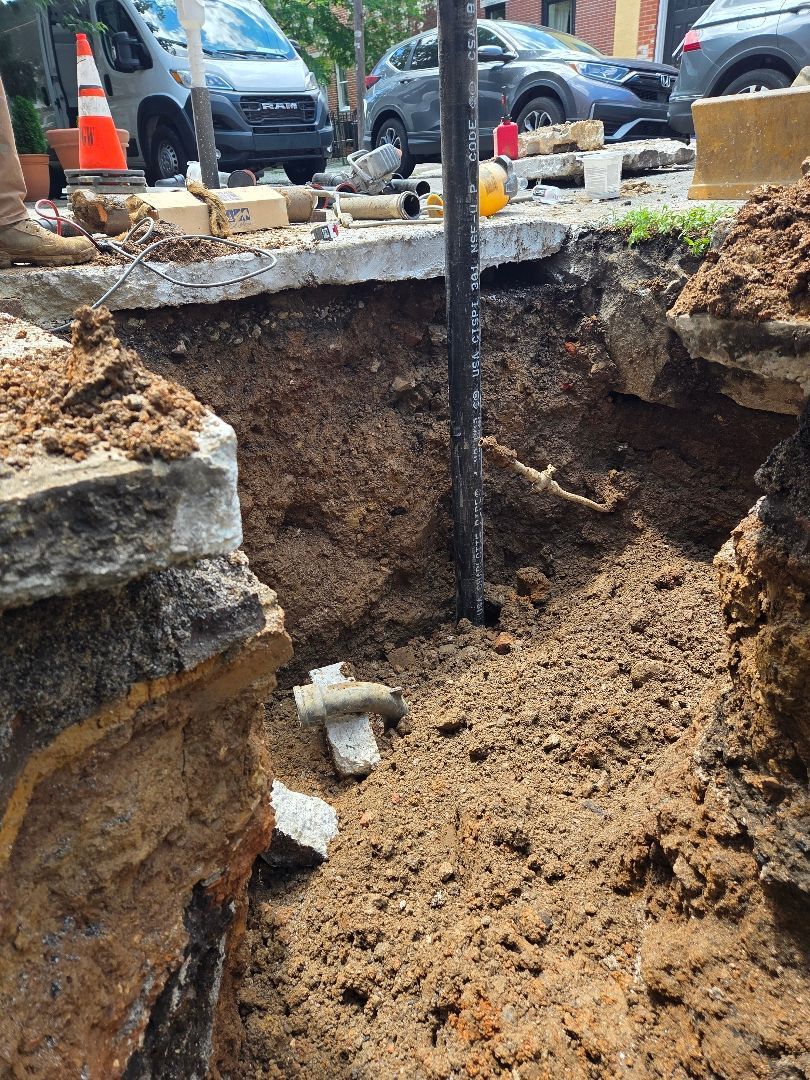
Learn the top three warning signs that your main sewer line may need replacement, including recurring backups, tree root intrusion, and multiple drain clogs. Plus, save $50 on sewer replacements through August 22, 2026.
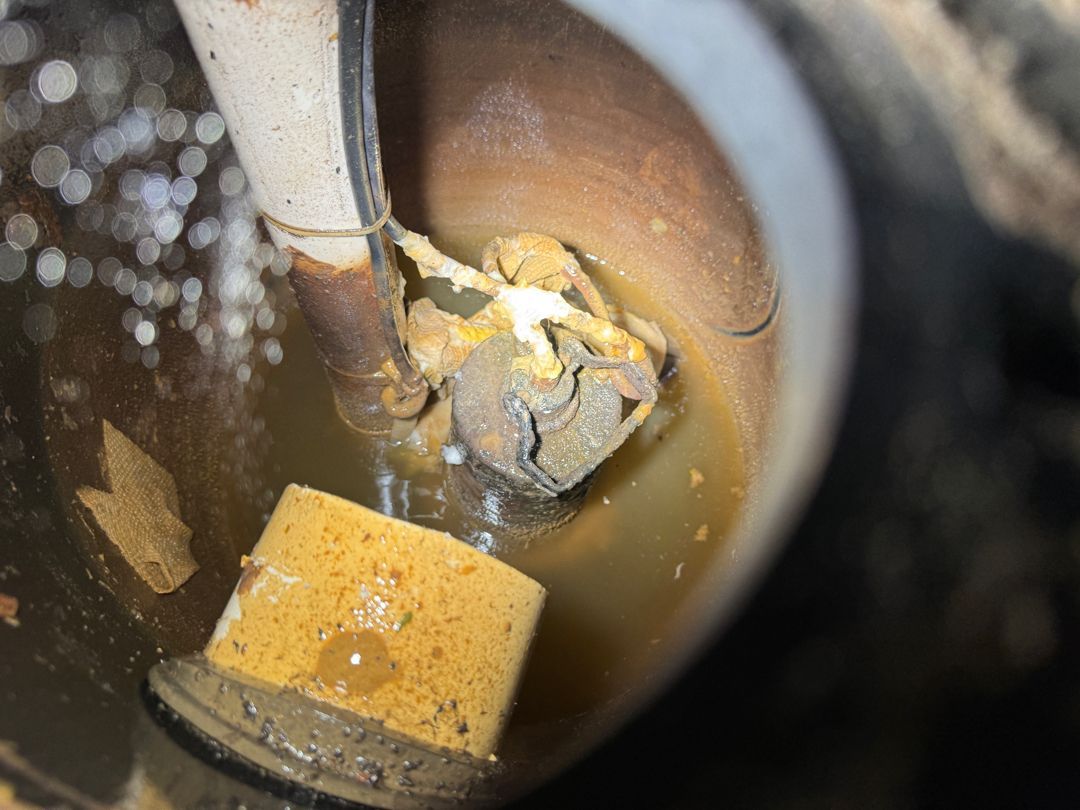
Wondering why your basement smells like sewer? Learn the most common causes, including failed wax seals, dry floor drains, vent problems, and sewer line issues, and when to call a plumber.