Uncover the Mysteries of Plumbing Pipe Corrosion
Aqua Plumbing & Heating, LLC. • November 8, 2023
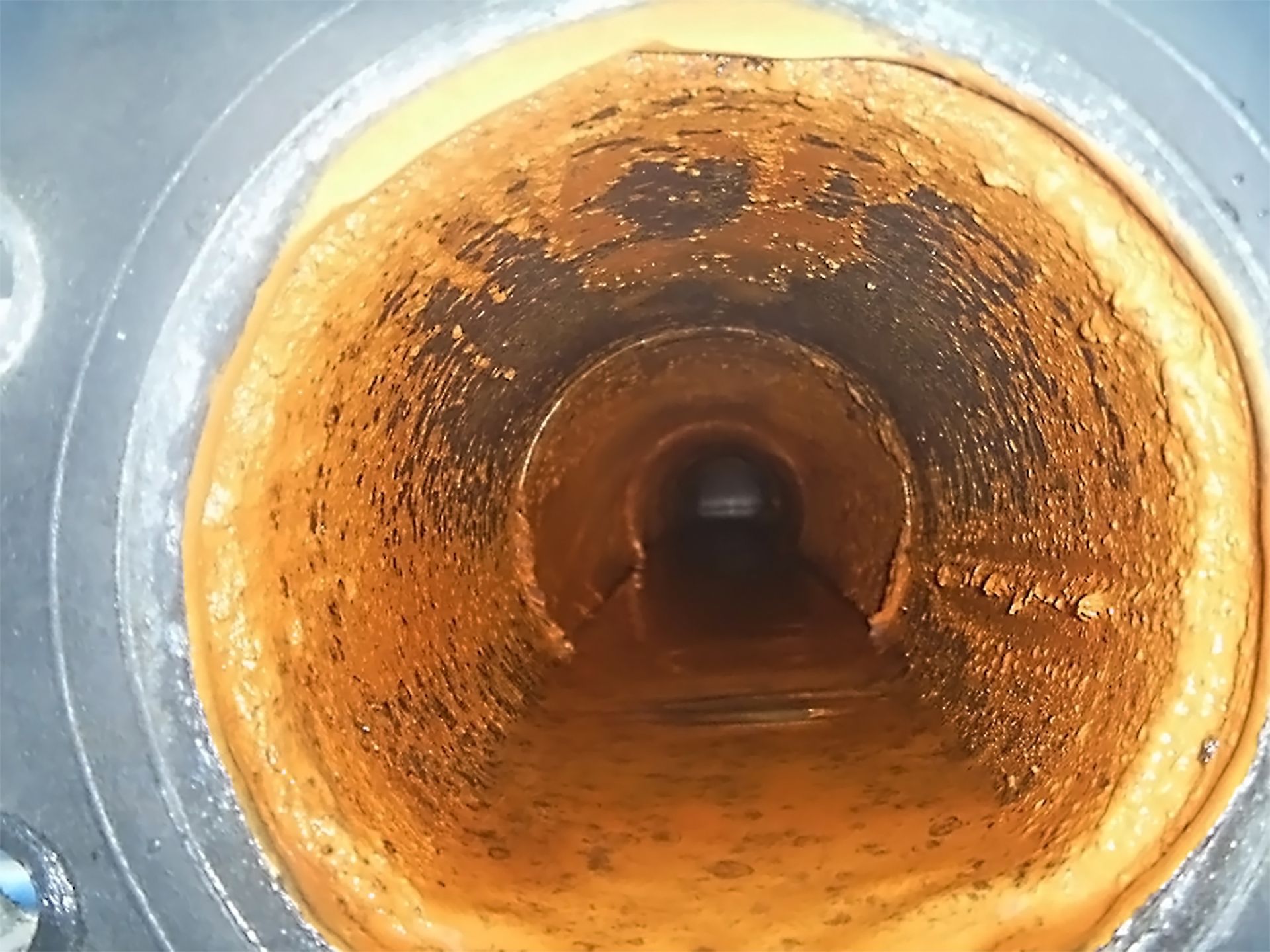
Plumbing, the unsung hero of our home, quietly ensure the flow of clean water in and the removal of wastewater out. But when plumbing pipes begin to corrode, the harmony is disrupted. In this blog, let's explore the world of plumbing pipe corrosion, understanding its mechanisms, causes, and the crucial steps to prevent it.
Demystifying Corrosion
Corrosion, a natural process, unfolds when metals react with their environment, gradually breaking down over time. In the plumbing realm, it primarily targets metal pipes like copper and iron. Let's delve into the most common types of corrosion:
1. Galvanic Corrosion
This corrosion unfolds when two different metals converge within the plumbing system. When these metals exhibit varying electrochemical potentials, it sparks an electrochemical reaction, intensifying corrosion. To counteract this, plumbers employ dielectric unions or specialized fittings to isolate dissimilar metals.
2. Pitting Corrosion
Pitting corrosion manifests as localized damage, forming small pits or holes on a pipe's surface. This stealthy villain often thrives in the presence of chlorine or specific waterborne chemicals, remaining undetectable until it culminates in a troublesome leak.
3. Erosion Corrosion
Erosion corrosion takes root in the high-speed flow of water laden with abrasive materials, such as sand and debris. Over time, it grinds away at the pipe's inner surface, rendering it vulnerable and weakened.
The Culprits Behind Corrosion
1. Water Chemistry: The composition of water coursing through your pipes is a significant influence on corrosion. Water with high acidity, low pH, or laden with minerals and chemicals can expedite this process.
2. Dissolved Oxygen: Oxygen in the water can react with metal pipes, inducing rust. This is why corrosion often kickstarts near the top of vertical pipes, where water and air meet.
3. Galvanic Mismatch: When different metals intersect, a galvanic reaction can set corrosion in motion. Careful selection of compatible materials during plumbing installation is paramount.
4. Water Velocity: High-speed water flow, particularly in bends and elbows, can lead to erosion corrosion. To counter this, proper pipe sizing and flow control are essential.
5. Temperature Extremes: Piping hot water can expedite corrosion, particularly in copper pipes. Maintaining appropriate water heater temperature is vital.
Safeguarding Against Corrosion
Preventing plumbing pipe corrosion is a proactive endeavor to preserve your plumbing system. Here are vital strategies to shield your pipes.
• Regular Inspections: Conduct routine checks to detect early signs of corrosion, including discolored water, stains, or visible rust.
• Water Quality Testing: Periodically examine your water pH levels, mineral content, and other potential corrosive elements. Installing water softeners or pH-adjusting systems may be necessary.
• Proper Installation: Ensure that your plumbing is installed correctly, using compatible materials and incorporating protective measures.
• Cathodic Protection: For underground metal pipes, consider installing cathodic protection systems to ward off corrosion.
• Temperature Management: Avoid subjecting your pipes to extremely high-water temperatures, as this can hasten corrosion.
Corrosion is a natural process, but with vigilance, maintenance, and preventive measures, you can keep your plumbing system in pristine condition for years to come. If you suspect corrosion or require assistance with plumbing maintenance, don't hesitate to consult the pros at Aqua Plumbing & Heating, LLC. A little prevention today can spare you from confronting significant plumbing problems in the future.
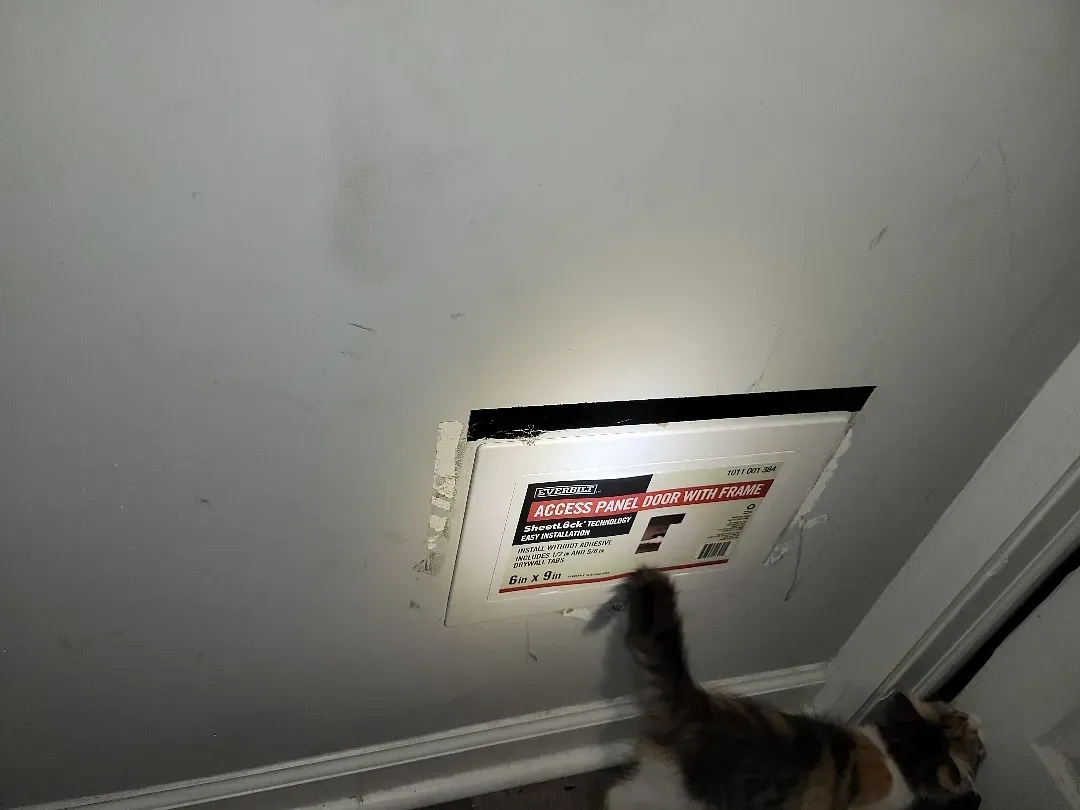
Learn why a plumbing access panel matters during renovations and how proper access to concealed valves, showers, rubs, cleanouts and pumps can prevent unnecessary wall damage and repair costs.
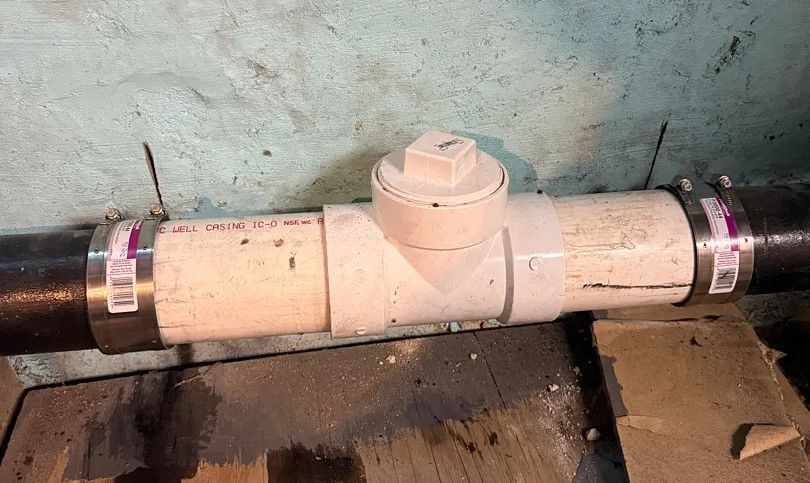
Learn why plumbing cleanouts matter, where to find them, and how they help plumbers clear drain and sewer clogs faster in Philadelphia homes.
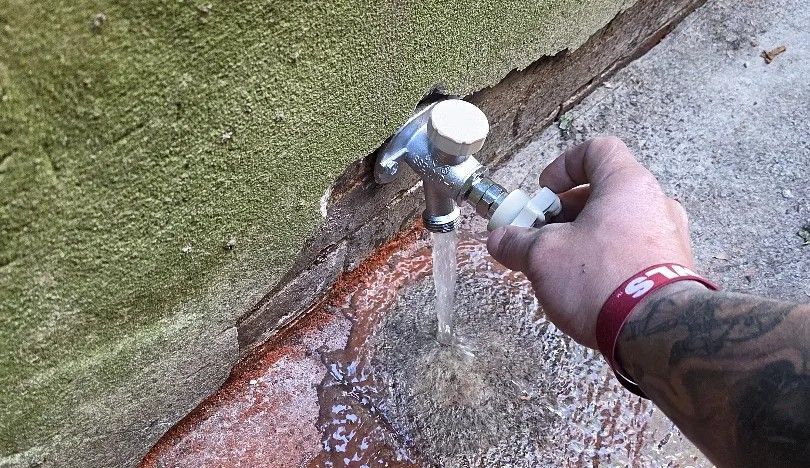
Learn why your outdoor spigot keeps dripping, common hose bib problems, signs of freeze damage, and when repair or replacement may be the best option.
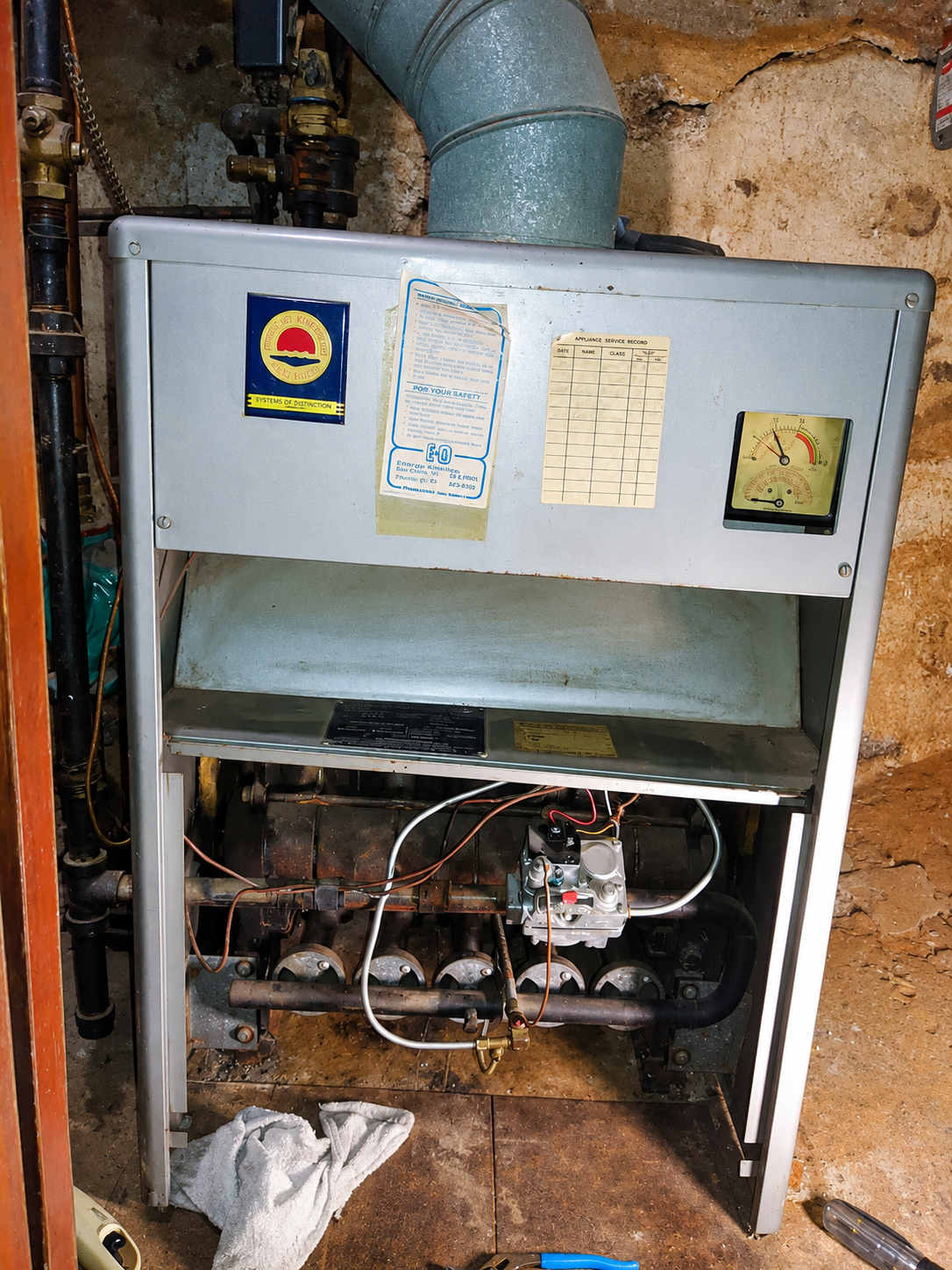
Prepare your Philadelphia home for heating season with this boiler startup checklist covering leaks, pressure, radiators, thermostats and annual service.
Every homeowner should know where their main water shutoff valve is. Learn how to located, identify, label, and safely test it before a plumbing emergency.
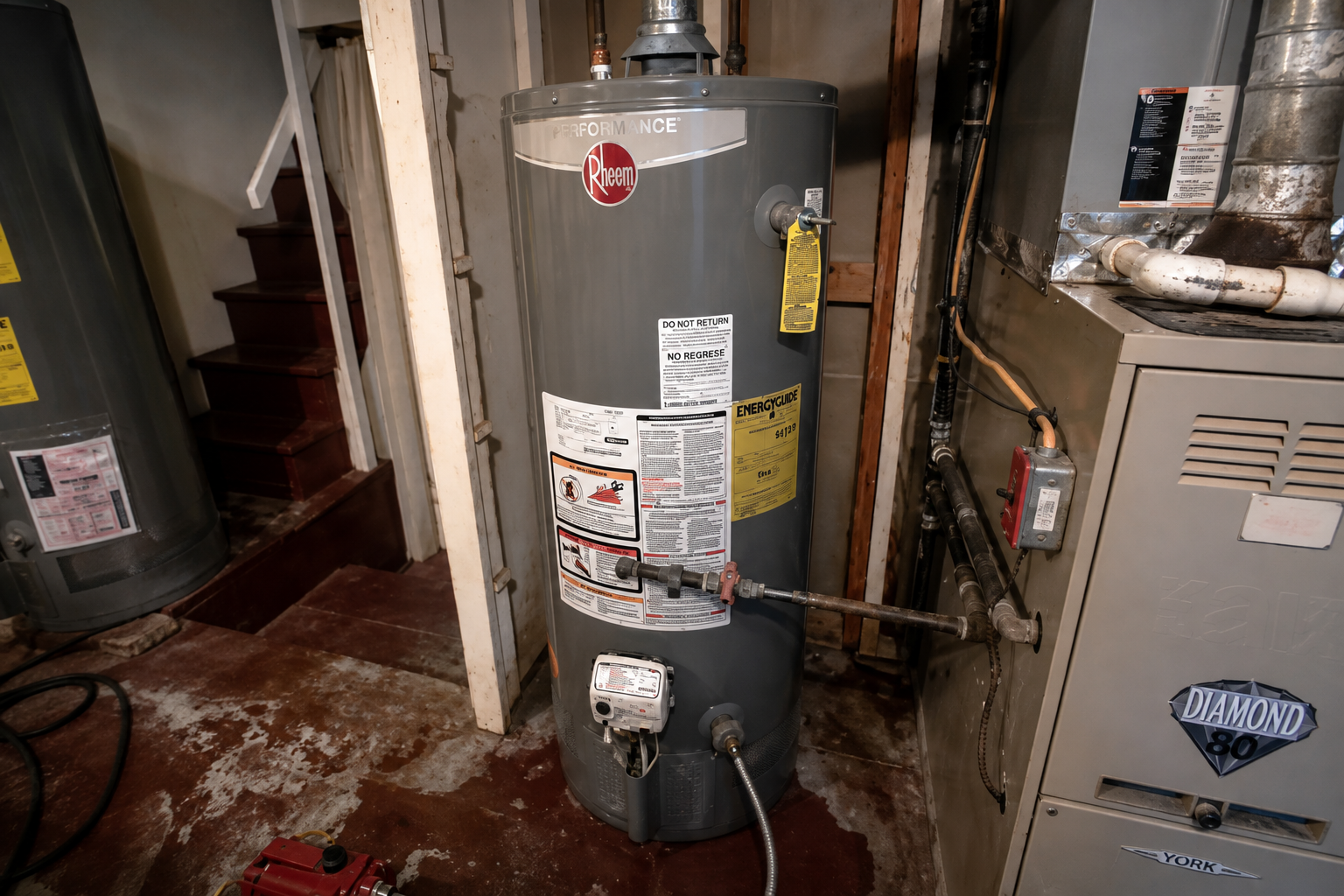
Learn the common reasons water heaters fail, warning signs to watch for, and when to consider repair or replacement. Water heater service in Philadelphia.
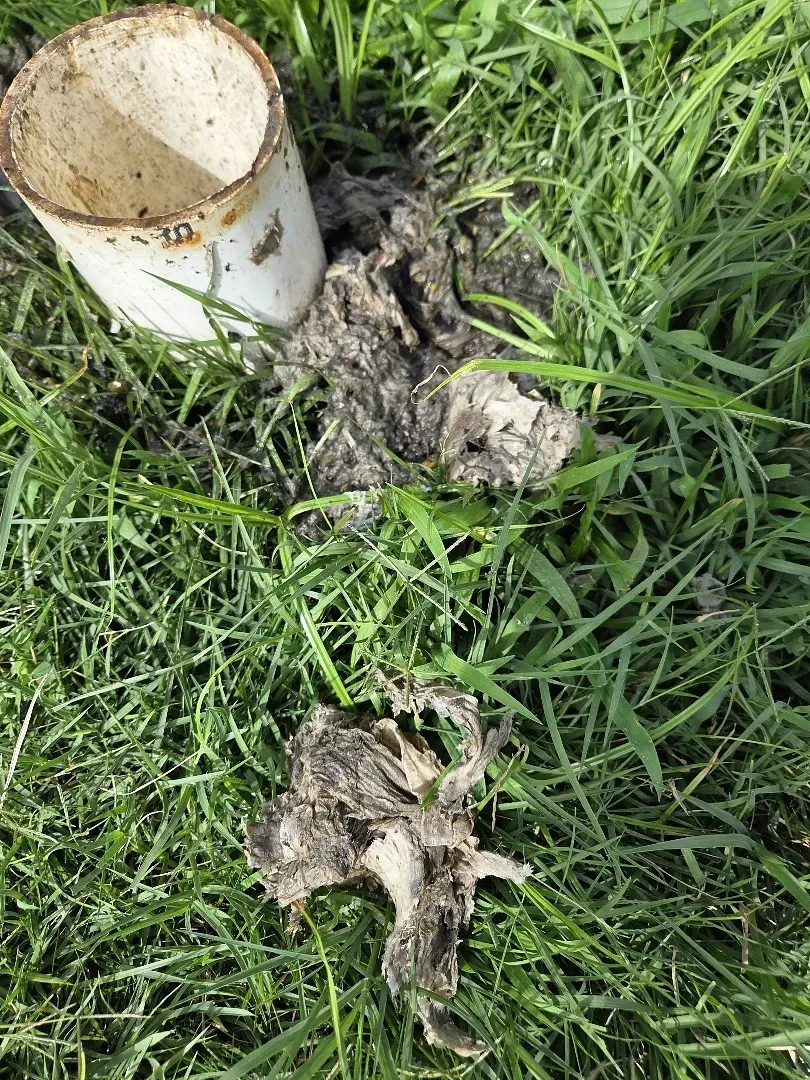
Learn 8 things you should never flush down the toilet and how they can cause clogged drains, sewer backups, and costly plumbing problems.
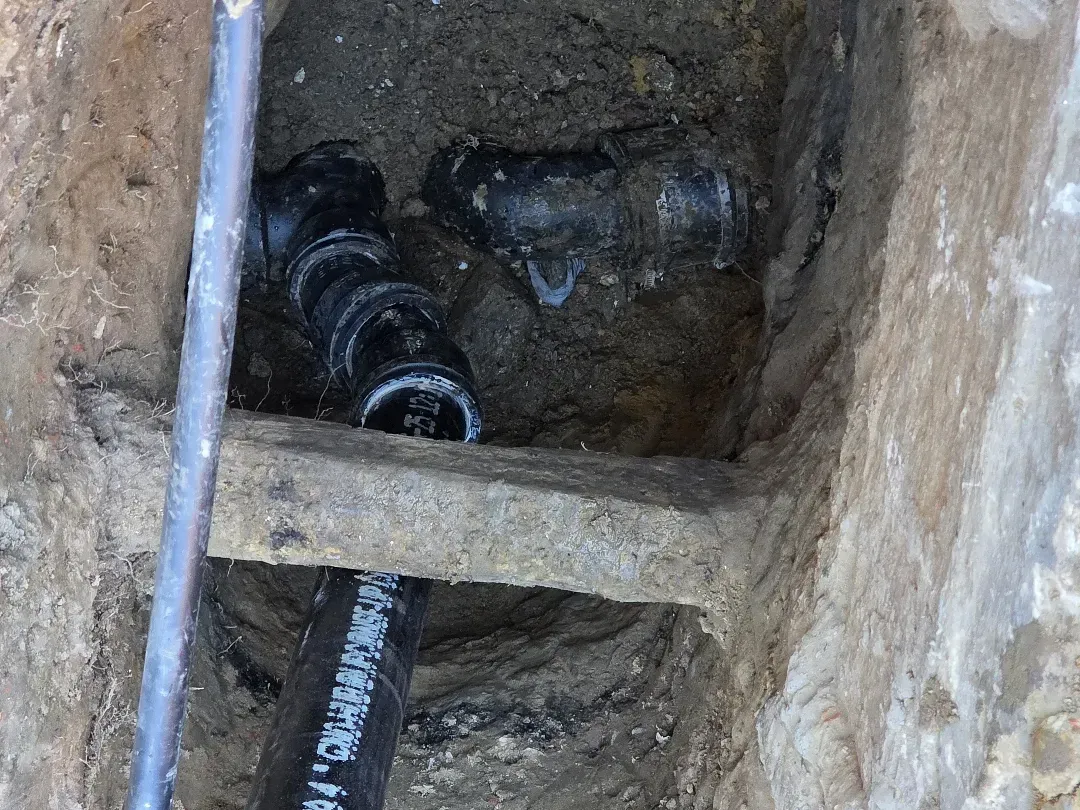
Learn why older cast iron sewer lines fail, the warning signs of deterioration, and when replacement may be the best long-term solution. Aqua Plumbing & Heating, LLC.
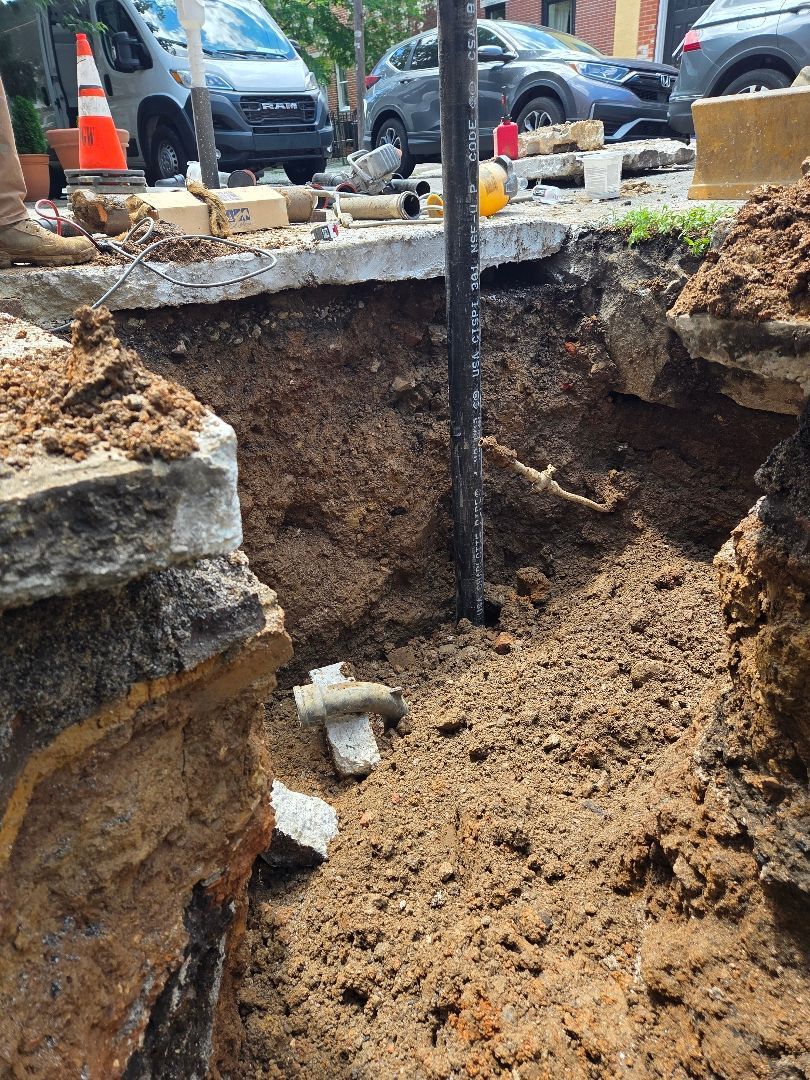
Learn the top three warning signs that your main sewer line may need replacement, including recurring backups, tree root intrusion, and multiple drain clogs. Plus, save $50 on sewer replacements through August 22, 2026.
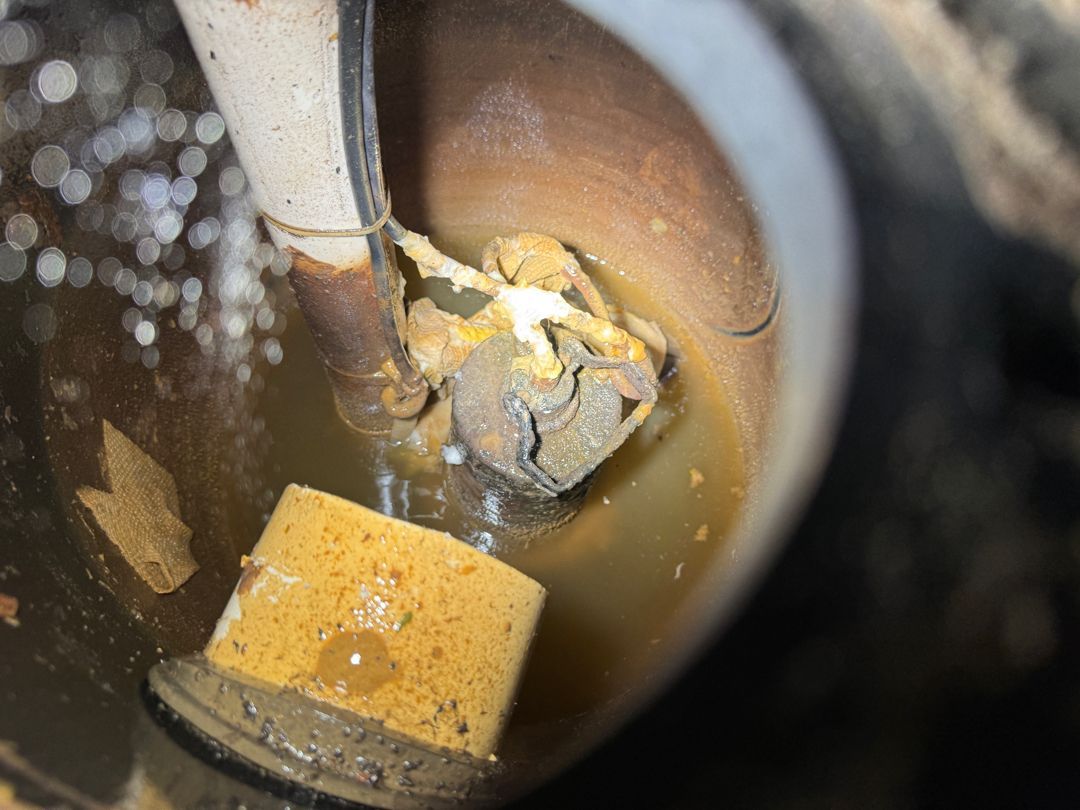
Wondering why your basement smells like sewer? Learn the most common causes, including failed wax seals, dry floor drains, vent problems, and sewer line issues, and when to call a plumber.