Signs of Hard Water: How to Tell If Your Plumbing is Affected
Aqua Plumbing & Heating, LLC. • September 27, 2023
Hard water is a common issue that many homeowners face, and early detection is key to safeguarding your plumbing system. Hard water contains elevated levels of minerals, primarily calcium and magnesium, which can lead to a host of problems, including clogged pipes and damaged appliances. In this blog, we will look into the unmistakable signs of hard water in your home and offer solutions to tackle this issue head-on.
1. Stiff, Scratchy Laundry and Dull Clothing: One of the most conspicuous indicators of hard water is its impact on your laundry. Garments washed in hard water tend to feel rigid, scratchy, and may lose their vibrant colors over time. The minerals in hard water can also impede the effectiveness of detergents and soaps, resulting in the buildup of unsightly soap scum.
2. Soap Scum and Lathering Challenges: Hard water often leaves behind soap scum, a pesky problem in households. When hard water minerals interact with soap or shampoo, they form a sticky residue that accumulates on surfaces such as bathtubs, shower walls, and glass doors. You may also notice that generating a rich lather with soap becomes more challenging, leading to increased soap consumption.
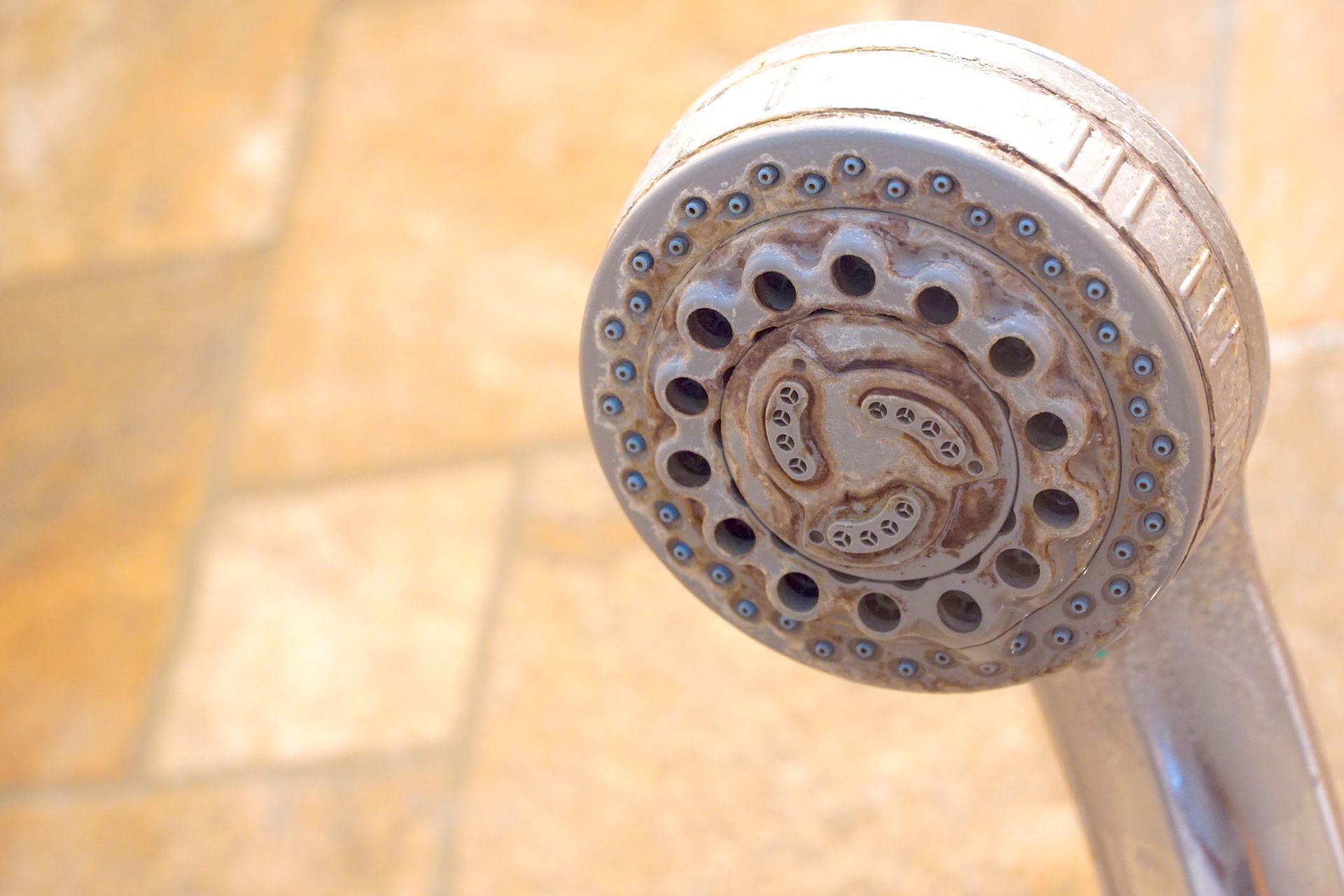
3. Scaling on Faucets and Fixtures: Inspect your faucets, showerheads, and other plumbing fixtures for the presence of white or chalky deposits. These mineral deposits, referred to as scale or limescale, gradually accumulate and can lead to decreased water flow and pressure. Scaling can also affect appliances that rely on water, such as coffee makers and dishwashers.
4. Reduced Water Flow and Pressure:
The buildup of scale inside pipes and fixtures can restrict water flow and diminish water pressure. If you've noticed a gradual decline in the strength of your shower or faucets, hard water may be the underlying cause.
5. Clogged Pipes and Plumbing Issues: Over time, hard water minerals can accumulate within your plumbing pipes, resulting in clogs and various plumbing issues. You might encounter slow drains, heightened instances of pipe corrosion, and an increased need for plumbing repairs.
6. Spots and Streaks on Dishes and Glassware: Hard water can leave unsightly spots and streaks on your dishes and glassware, even after they've been through the dishwasher. These blemishes are caused by mineral deposits that persist on the surface as water evaporates during the drying process.
7. Reduced Appliance Lifespan: Appliances that rely on water, such as water heaters, dishwashers, and washing machines, may experience a shortened lifespan when exposed to hard water. The accumulation of minerals can lead to reduced efficiency and more frequent repair needs.
8. Dry, Itchy Skin, and Brittle Hair: Hard water can be harsh on your skin and hair. The minerals present in hard water can strip away natural oils, leaving your skin feeling dry and your hair feeling brittle. You may also notice an increase in skin issues, including conditions such as eczema.
9. Increased Energy Bills: The presence of scaling inside your water heater can diminish its efficiency, causing it to consume more energy in the process of heating water. This can result in higher energy bills, which indirectly reflect the consequences of hard water.
If any of the above signs of hard water are familiar to you, it's imperative to take action. Water softeners are a widely adopted solution to mitigate the effects of hard water and preserve the integrity of your plumbing system and appliances. By staying vigilant and performing regular maintenance, you can ensure that your plumbing remains in top-notch condition and your water quality stays pristine. Don't wait; address hard water issues promptly for a trouble-free plumbing experience.
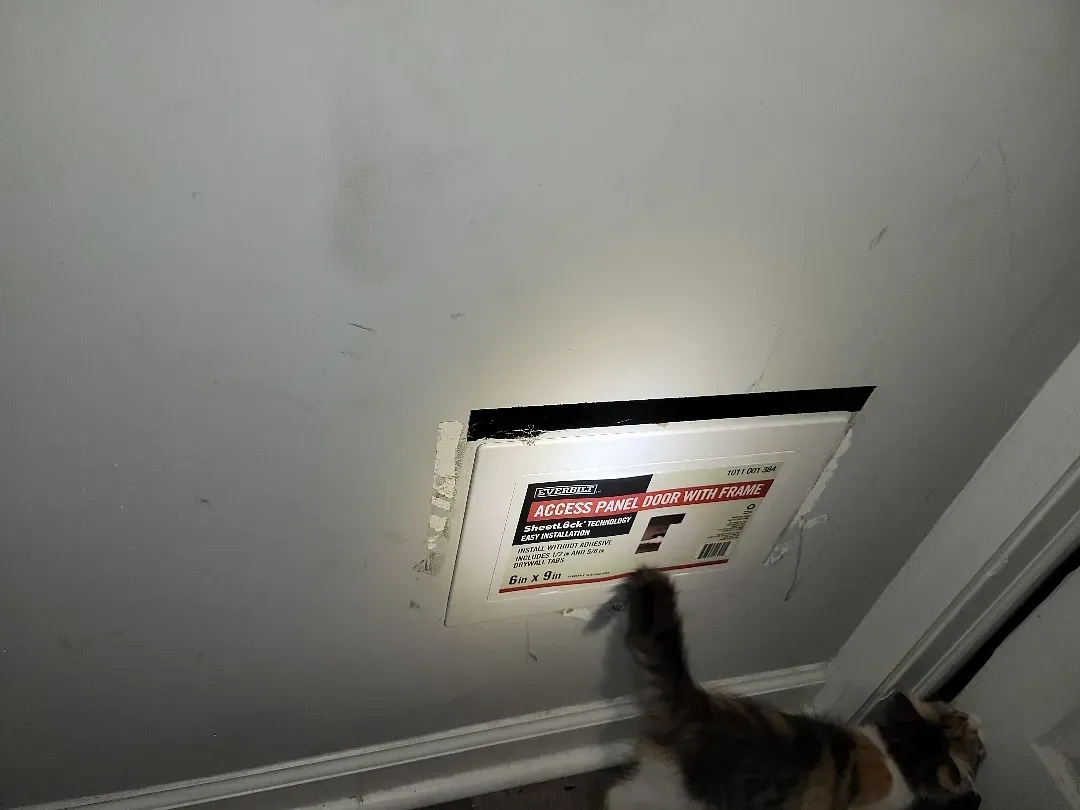
Learn why a plumbing access panel matters during renovations and how proper access to concealed valves, showers, rubs, cleanouts and pumps can prevent unnecessary wall damage and repair costs.
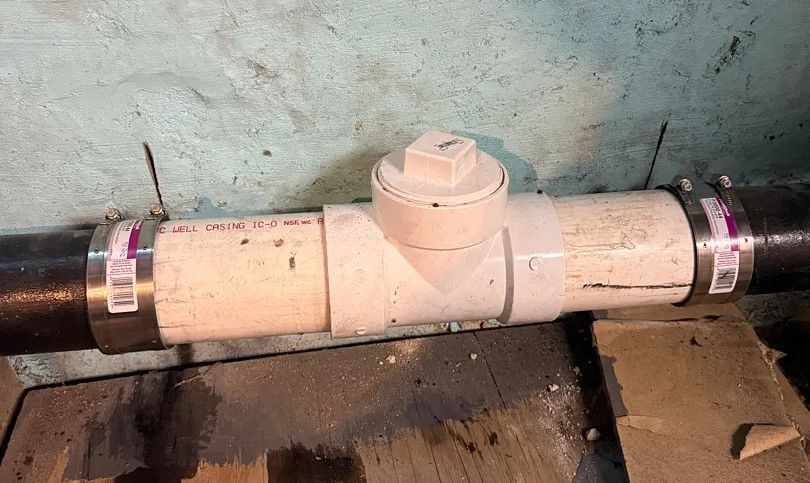
Learn why plumbing cleanouts matter, where to find them, and how they help plumbers clear drain and sewer clogs faster in Philadelphia homes.
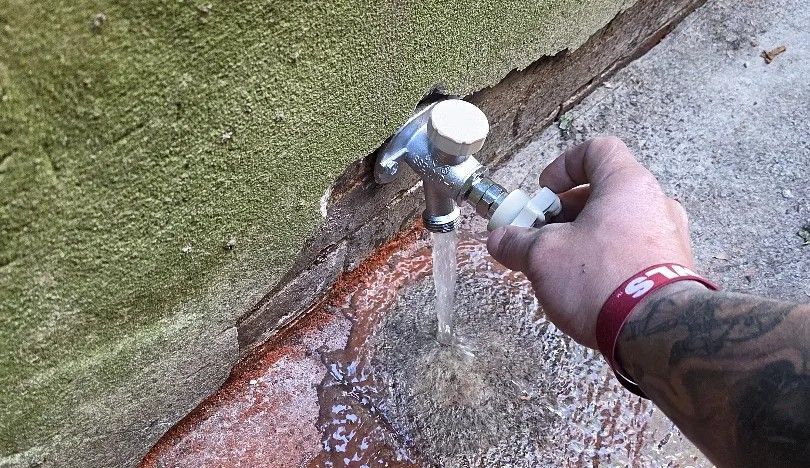
Learn why your outdoor spigot keeps dripping, common hose bib problems, signs of freeze damage, and when repair or replacement may be the best option.
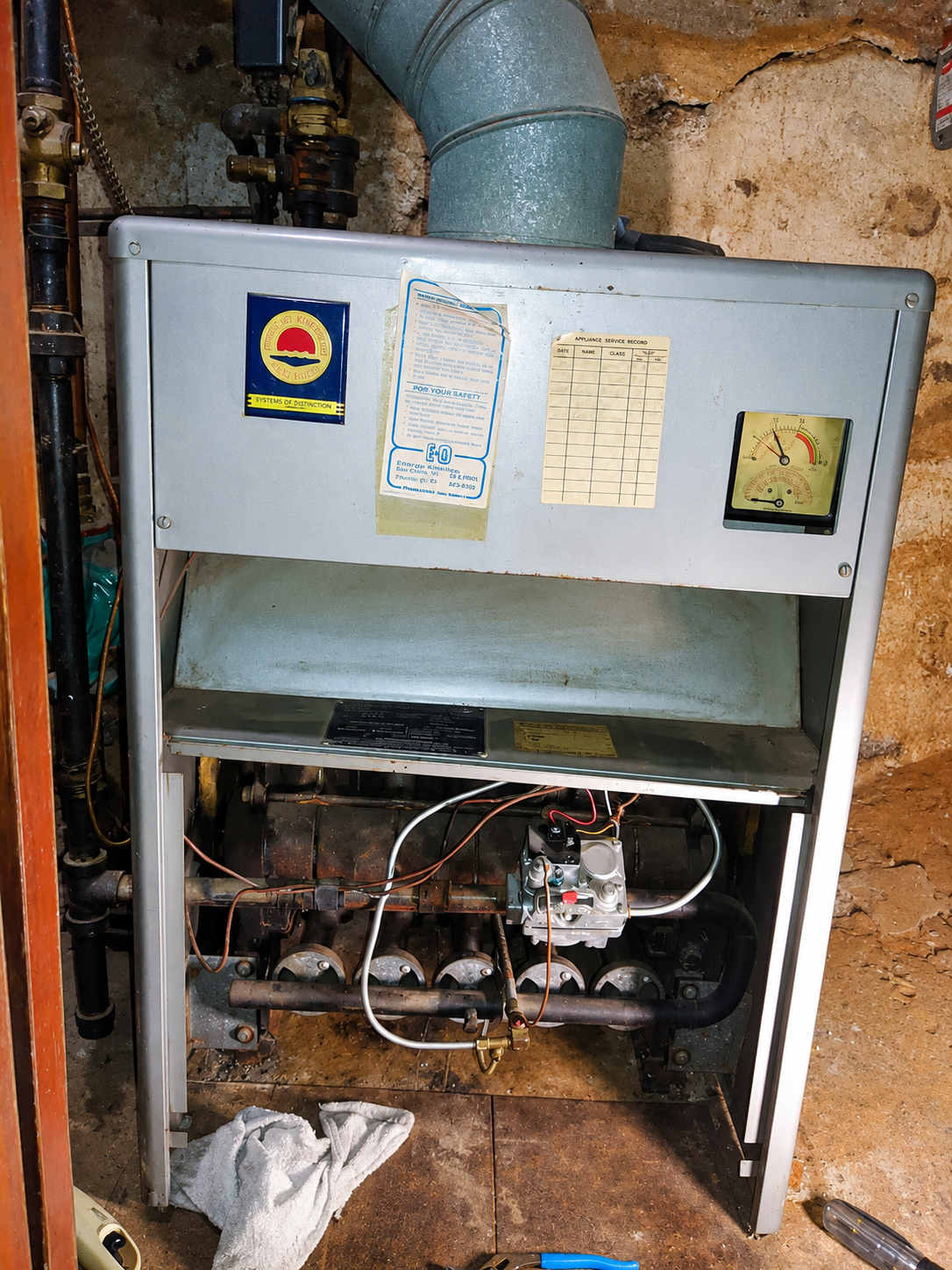
Prepare your Philadelphia home for heating season with this boiler startup checklist covering leaks, pressure, radiators, thermostats and annual service.
Every homeowner should know where their main water shutoff valve is. Learn how to located, identify, label, and safely test it before a plumbing emergency.
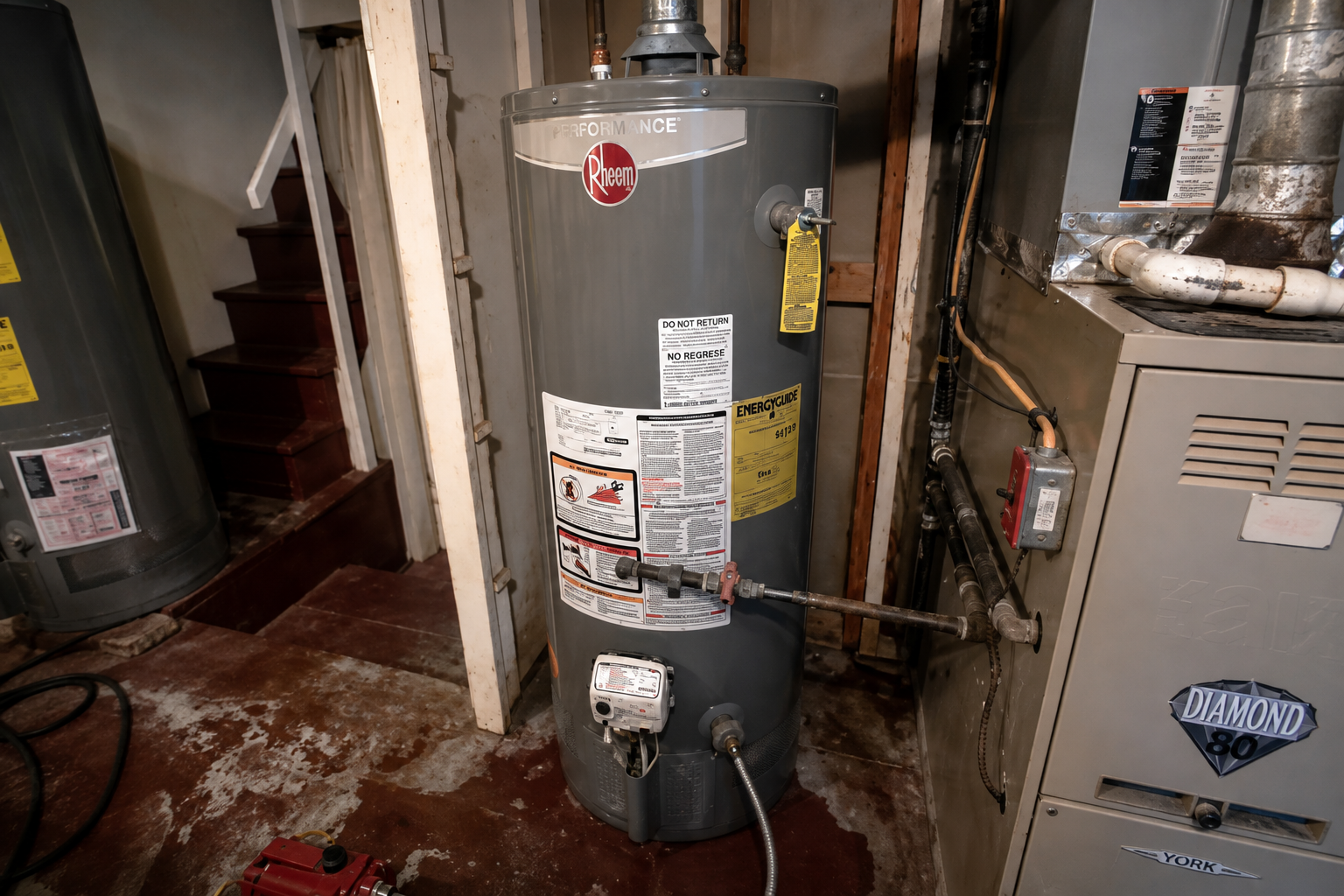
Learn the common reasons water heaters fail, warning signs to watch for, and when to consider repair or replacement. Water heater service in Philadelphia.
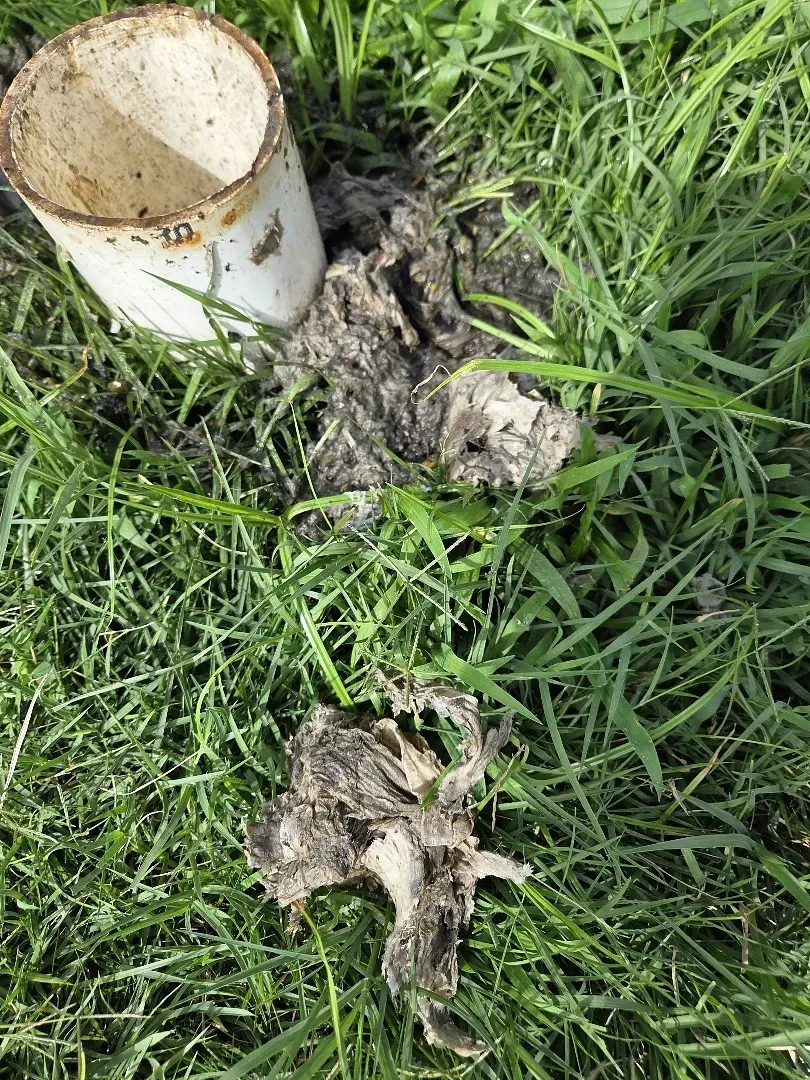
Learn 8 things you should never flush down the toilet and how they can cause clogged drains, sewer backups, and costly plumbing problems.
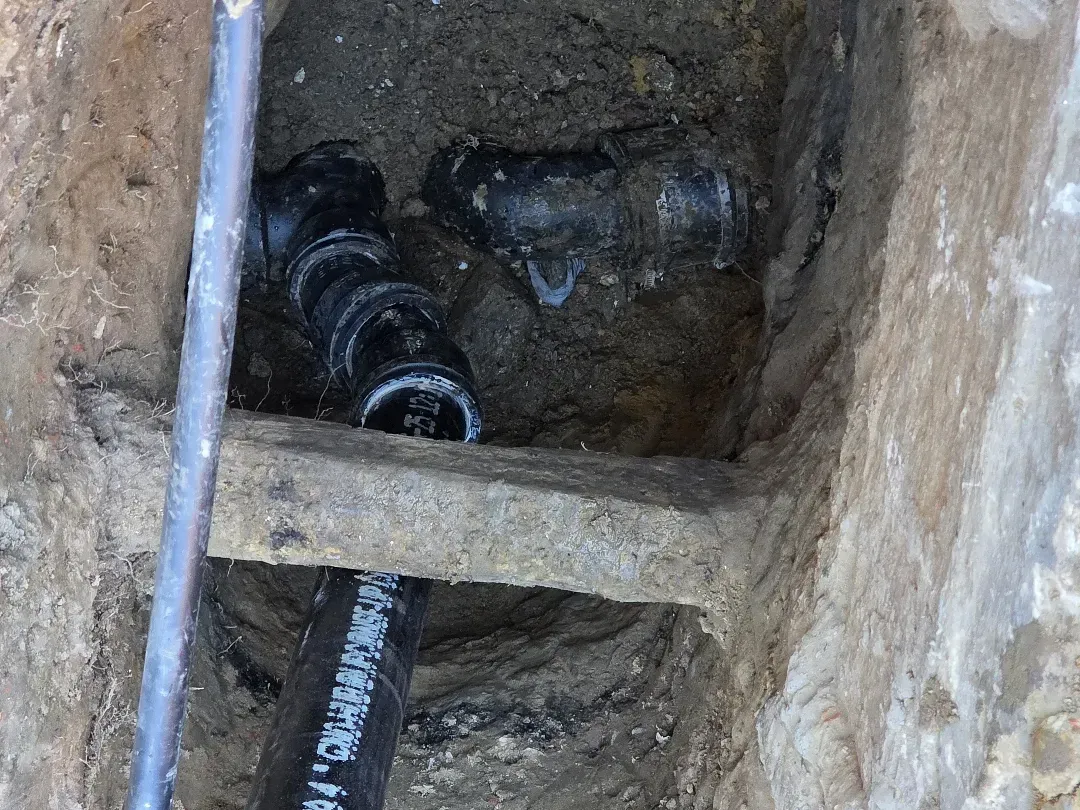
Learn why older cast iron sewer lines fail, the warning signs of deterioration, and when replacement may be the best long-term solution. Aqua Plumbing & Heating, LLC.
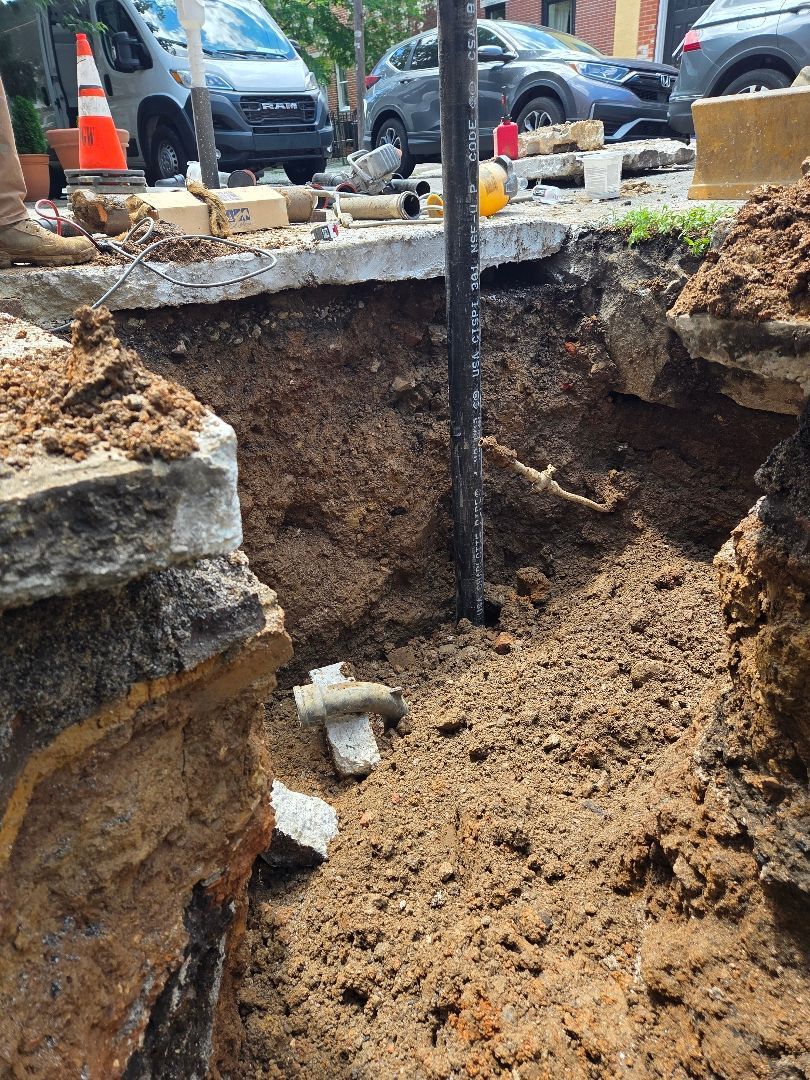
Learn the top three warning signs that your main sewer line may need replacement, including recurring backups, tree root intrusion, and multiple drain clogs. Plus, save $50 on sewer replacements through August 22, 2026.
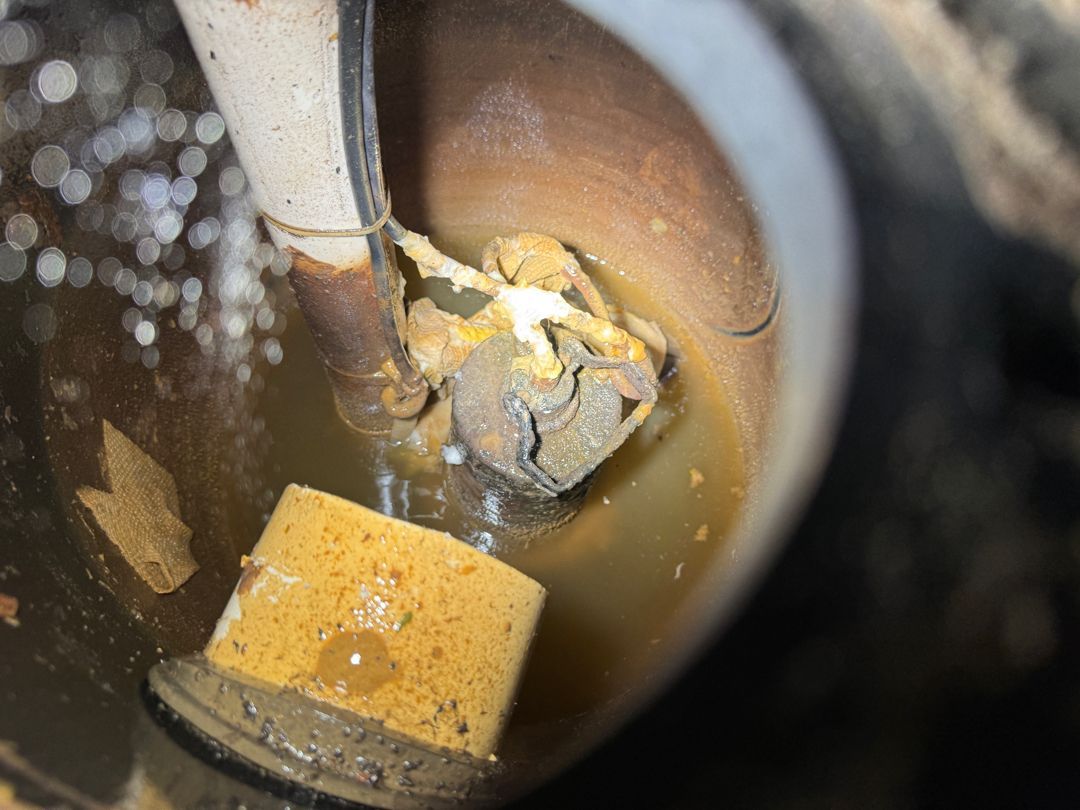
Wondering why your basement smells like sewer? Learn the most common causes, including failed wax seals, dry floor drains, vent problems, and sewer line issues, and when to call a plumber.