Unveiling The Secrets Behind Plumbing Leaks
Aqua Plumbing & Heating, LLC. • September 20, 2023
Causes and Preventive Measures
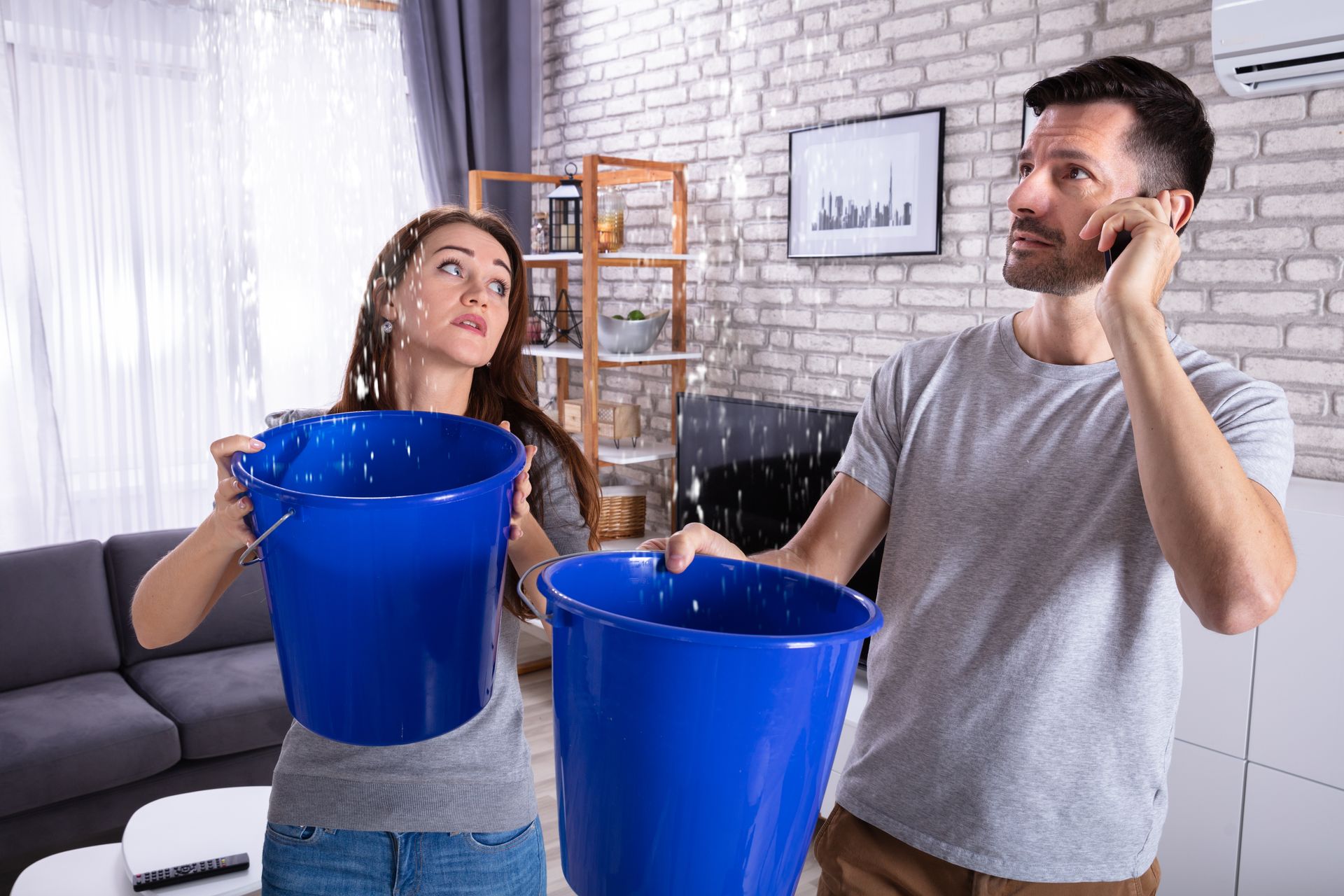
Plumbing leaks are a homeowner's nightmare, capable of causing extensive damage, draining your wallet with costly repairs, and contributing to water wastage. They are a common woe, but understanding why they occur is the first step towards safeguarding your home. In this blog, we will go over why plumbing leaks can happen, and equip you with practical tips to keep them at bay.
Age and Wear and Tear:
Aging and wear and tear of pipes and fixtures are prime culprits behind plumbing leaks. As time goes on, pipes can succumb to corrosion, rust, and overall wear, rendering them more vulnerable to leaks. If your dwelling boasts older plumbing systems, vigilant monitoring is essential, and you should contemplate replacing aging pipes to preclude potential leaks.
Prevention Tip: Make it a habit to routinely inspect and maintain your plumbing system, especially if it's aged. Consider upgrading more robust and corrosion-resistant materials like PEX or copper for your pipes.
High Water Pressure:
While robust water pressure is a must for a satisfying shower, excessive water pressure can be a double-edged sword, causing harm to your plumbing system and heralding leaks. The heightened pressure places undue stress on pipes, joints, and fixtures, ultimately leading to their weaking and potential rupture.
Prevention Tip: Safeguard your plumbing by installing a pressure-reducing valve (PRV) to regulate the water pressure in your home. This simple addition will prevent the undue strain of excessive pressure on your plumbing system.
Clogs and Blockages:
Clogs and blockages within pipes are habitual instigators of plumbing leaks. The accumulation of debris, grease, hair, or foreign objects within your pipes creates pressure, laying the foundation for leaks. Over time, these blockages can also corrode pipes and inflict structural damage.
Prevention Tip: Abstain from flushing non-flushable items down your toilet, and employ drain screens to trap hair and debris in sinks and showers. Routine cleansing your drains is essential, and it may be prudent to schedule professional drain cleaning as part of your home maintenance regimen.
Temperature Fluctuations:
Extreme temperature swings, particularly in regions with harsh winters, are a perilous adversary for plumbing. When water freezes inside pipes, it undergoes expansion, potentially causing pipes to crack or burst. Even minor temperature fluctuations can stress pipes over time, culminating in leaks.
Prevention Tip: Shield your exposed pipes from freezing temperatures by insulating them, especially in colder climates. Ensure your home is adequately heated during the winter months to thwart the menace of frozen pipes.
Poor Installation:
Inferior plumbing system or fixture installations lay the groundwork for leaks right from the start. Whether it's inadequately soldered joints, loose connections, or flawed seals, improper installation can set the stage for leaks to emerge shortly after your plumbing system comes into play.
Prevention Tip: Exercise prudence by enlisting the services of a licensed and experienced plumber for all your plumbing installations and repairs. Expert installation is pivotal in your quest to repel leaks.
Plumbing leaks can be an exasperating ordeal, but armed with knowledge and a proactive approach, you can substantially diminish their presence in your life. Regular inspections, meticulous installations, and preemptive actions such as controlling water pressure and insulating pipes are your allies in preserving your plumbing system's integrity. Remember, swift action to address leaks is paramount, as it thwarts further damage and mitigates water wastage. Keep a watchful eye, and your plumbing will extend its gratitude in the long run.
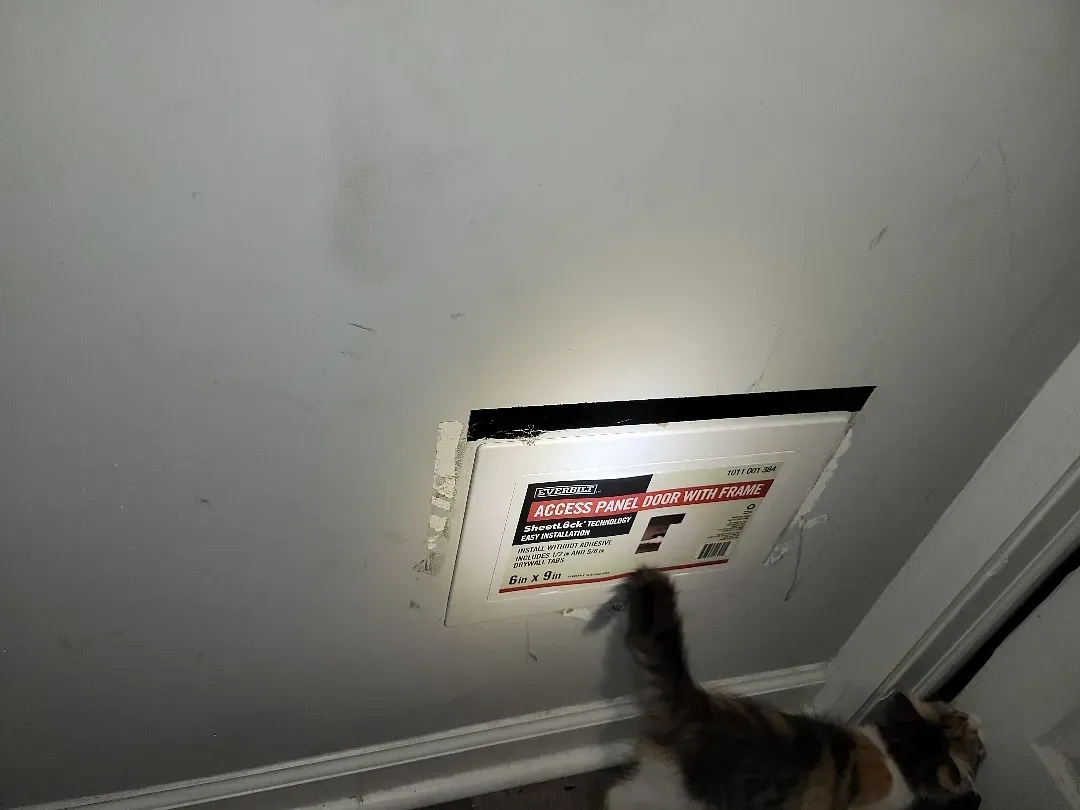
Learn why a plumbing access panel matters during renovations and how proper access to concealed valves, showers, rubs, cleanouts and pumps can prevent unnecessary wall damage and repair costs.
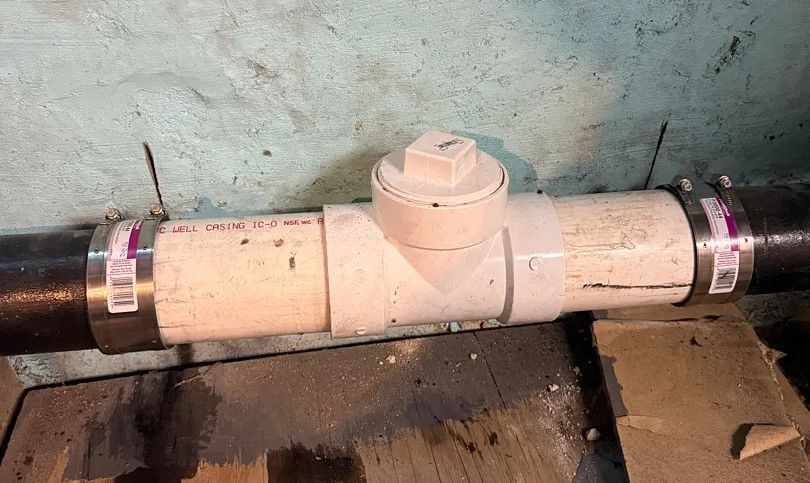
Learn why plumbing cleanouts matter, where to find them, and how they help plumbers clear drain and sewer clogs faster in Philadelphia homes.
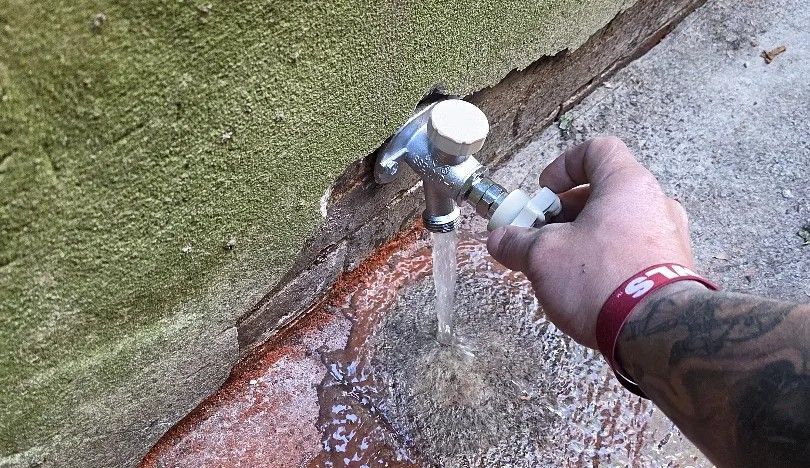
Learn why your outdoor spigot keeps dripping, common hose bib problems, signs of freeze damage, and when repair or replacement may be the best option.
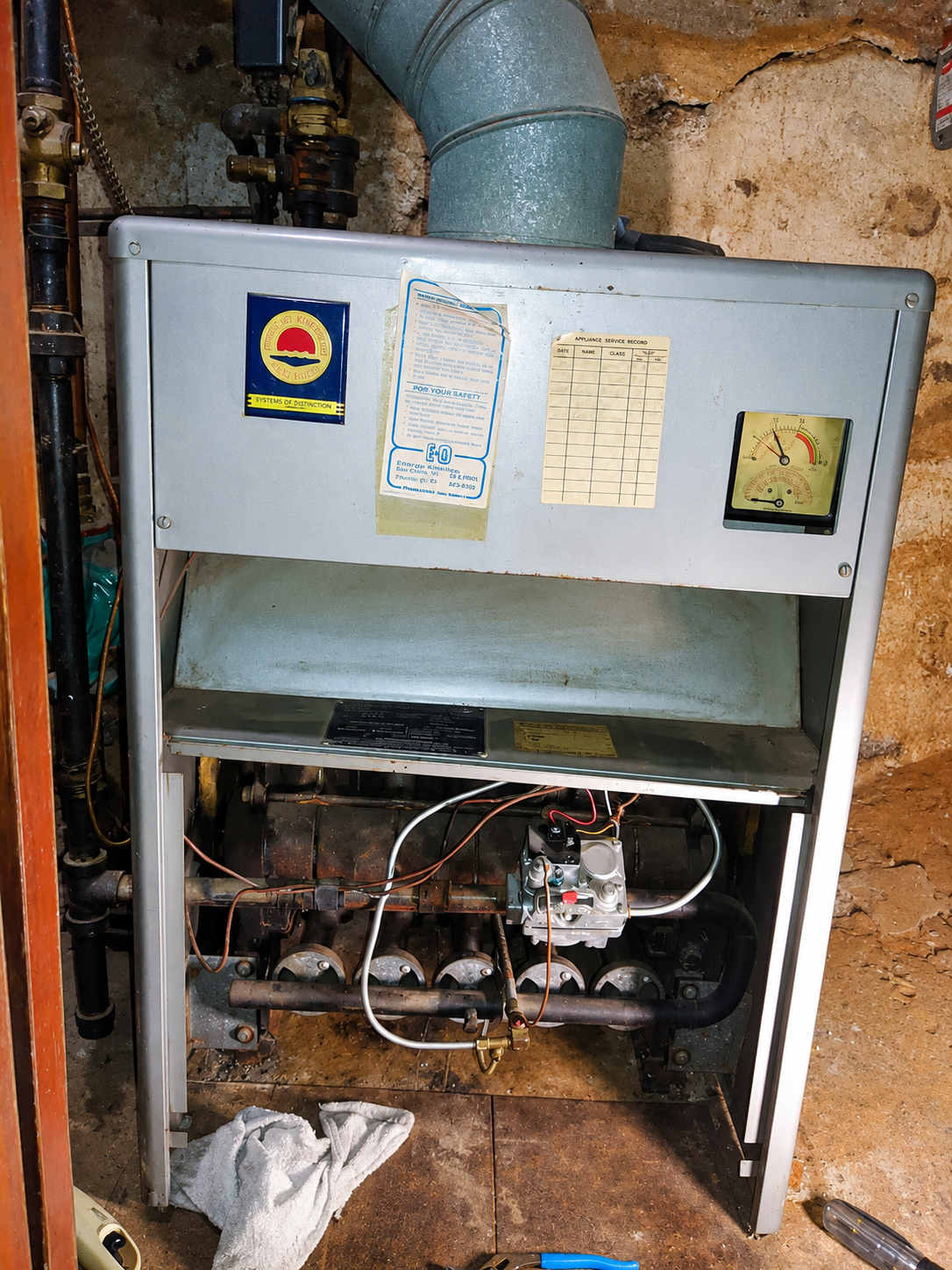
Prepare your Philadelphia home for heating season with this boiler startup checklist covering leaks, pressure, radiators, thermostats and annual service.
Every homeowner should know where their main water shutoff valve is. Learn how to located, identify, label, and safely test it before a plumbing emergency.
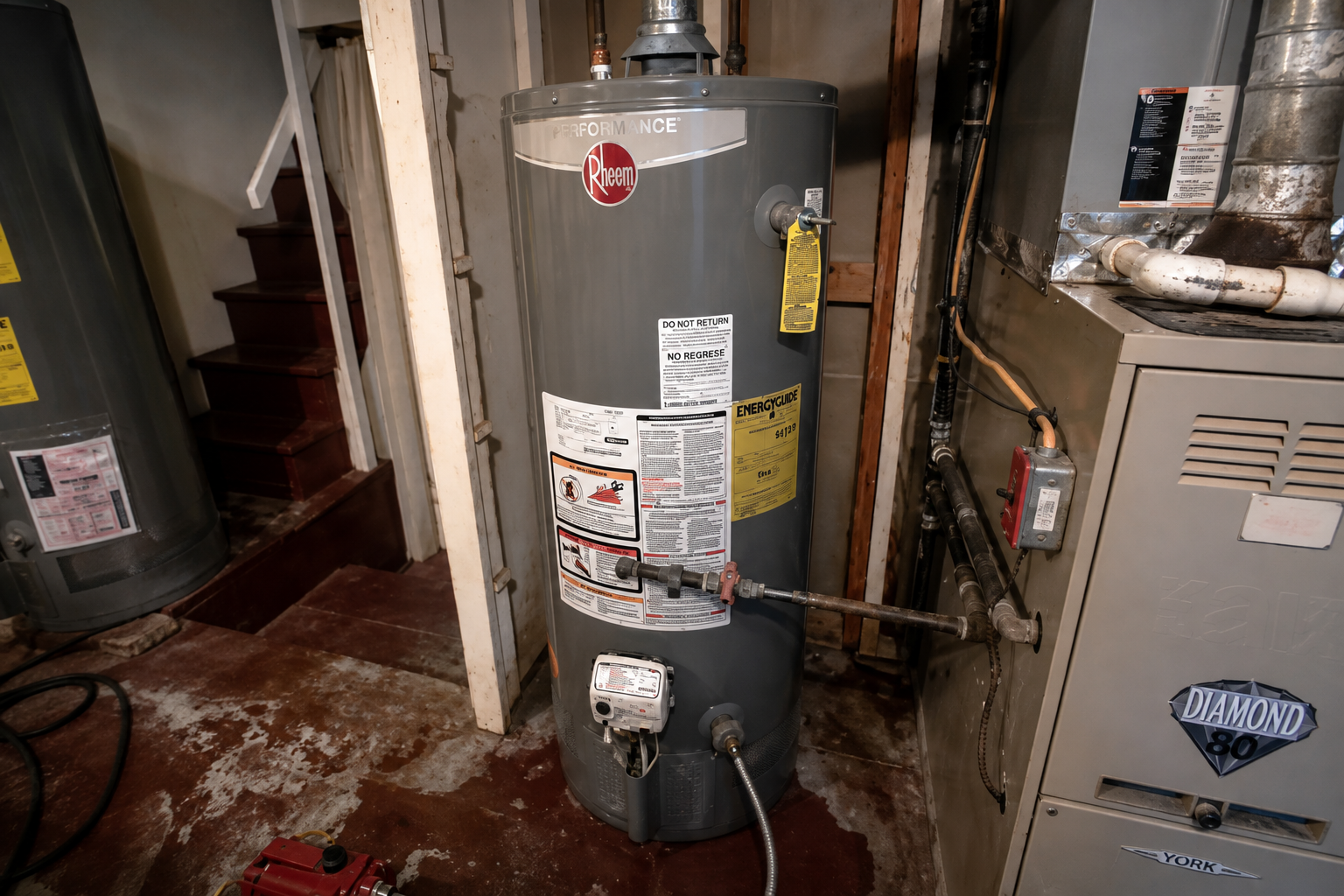
Learn the common reasons water heaters fail, warning signs to watch for, and when to consider repair or replacement. Water heater service in Philadelphia.
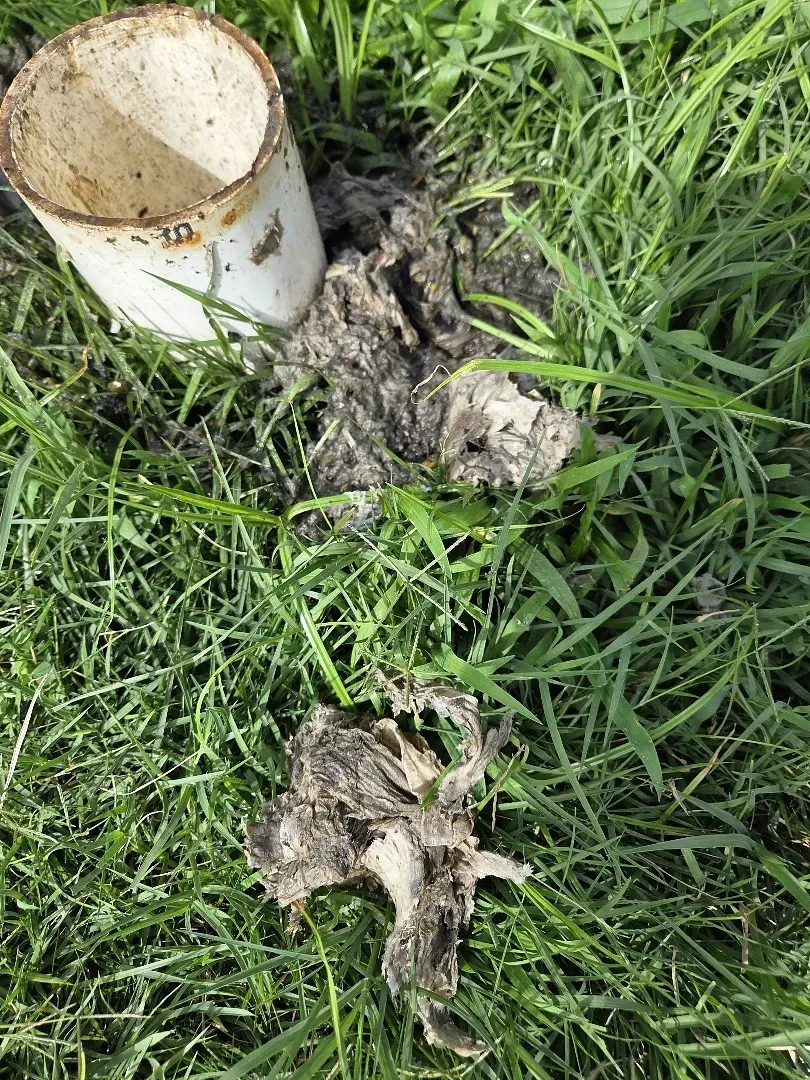
Learn 8 things you should never flush down the toilet and how they can cause clogged drains, sewer backups, and costly plumbing problems.
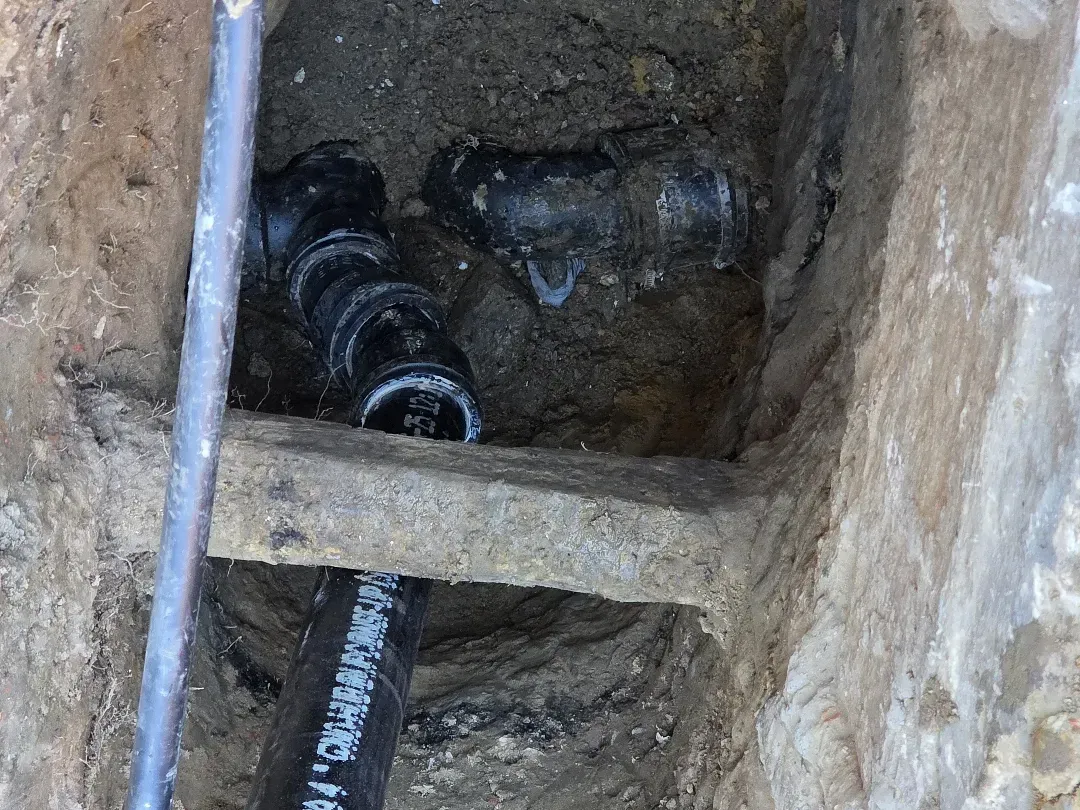
Learn why older cast iron sewer lines fail, the warning signs of deterioration, and when replacement may be the best long-term solution. Aqua Plumbing & Heating, LLC.
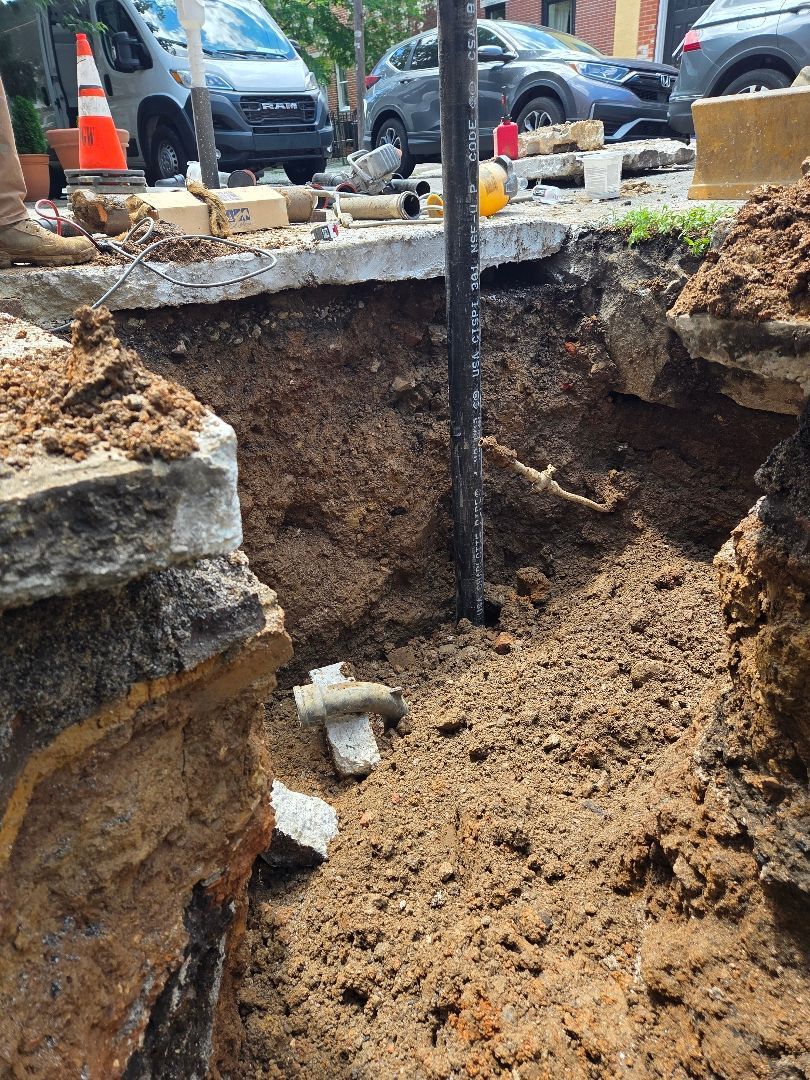
Learn the top three warning signs that your main sewer line may need replacement, including recurring backups, tree root intrusion, and multiple drain clogs. Plus, save $50 on sewer replacements through August 22, 2026.
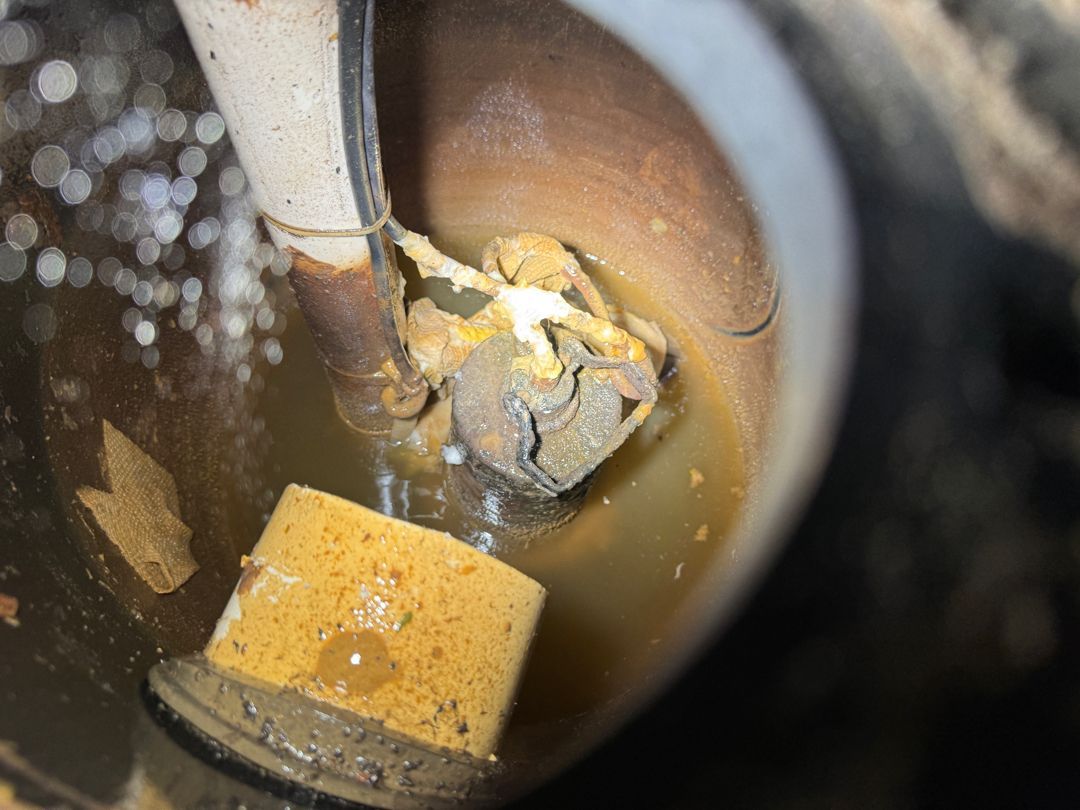
Wondering why your basement smells like sewer? Learn the most common causes, including failed wax seals, dry floor drains, vent problems, and sewer line issues, and when to call a plumber.